

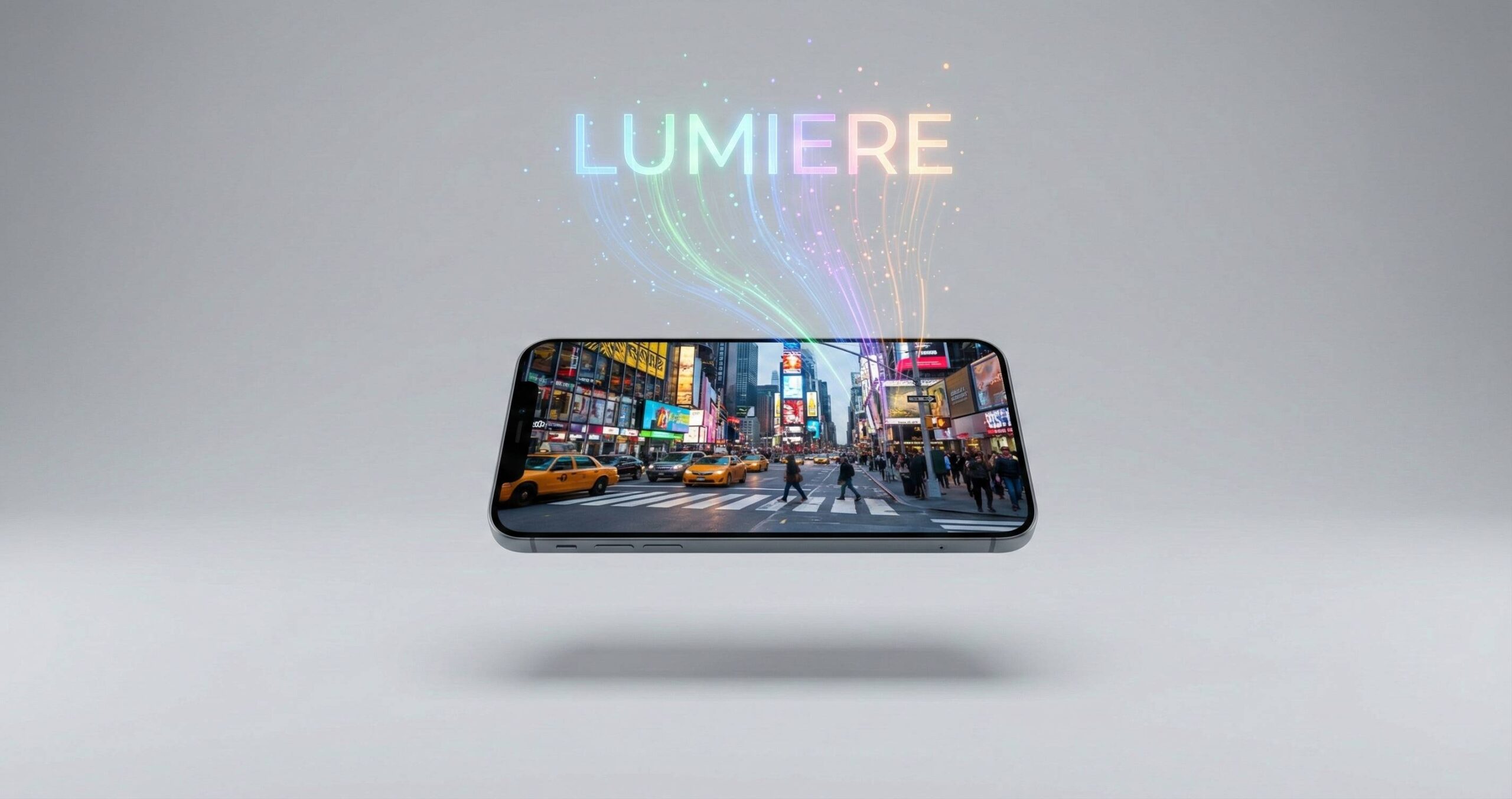
Imagine someone types a sentence and watches it become motion, and the screen begins to transform with quiet precision. That is the core promise of Google Lumiere, and it aims to merge vision with computation. It is an AI video generator designed for turning text or images into coherent moving visuals, and it performs that task with striking control. It feels like watching a scene born from written words and still images, and the system seems to capture human intent. The key values — Google Lumiere, AI video generator, text-to-video model, image-to-video, and how to create AI video from text—they all tie together in this new frontier, and they continue to define digital creativity.
What Makes Lumiere Different From Other AI Video Tools?
Lumiere stands apart through its ability to generate full motion sequences in a single process. It merges time and space in one computation, producing smoother movement and visual coherence. This approach reduces flicker and inconsistency, offering clarity that earlier tools struggled to maintain.
How Does It Turn Words Into Moving Pictures?
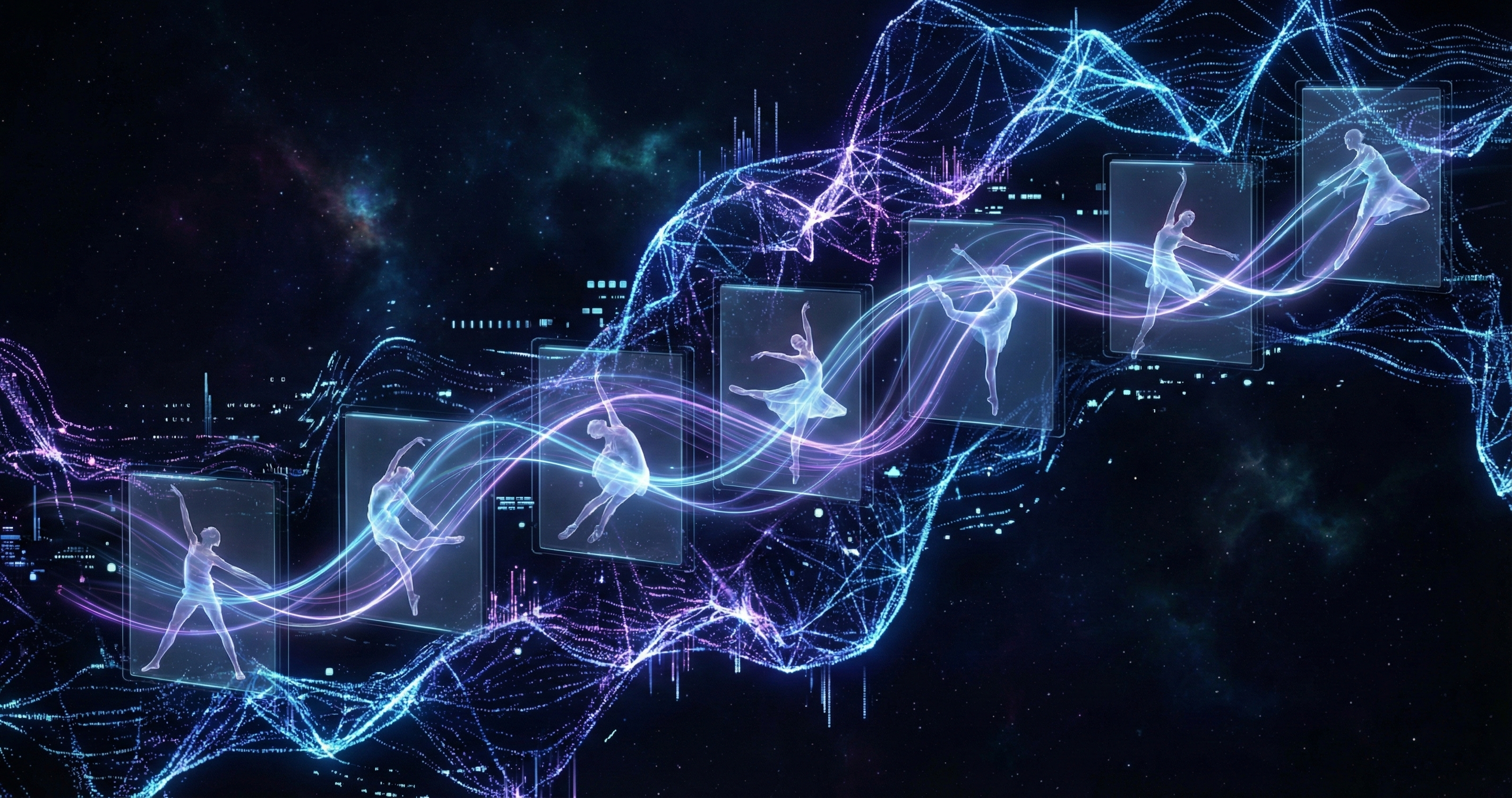
Most video AI tools convert text into a series of still frames and then animate them, and they often lose the sense of continuity. But Lumiere takes a different path, and it forms an integrated sequence. It uses a model architecture called the Space Time U Net (or STUNet) that generates the entire temporal sequence in one pass, and it captures motion with precision. By combining spatial data (what things look like) and temporal data (how things change over time), the model produces a video with smoother motion and better coherence.
What Is the Space Time U Net and Why Does It Matter?
The Space Time U Net lets the system think about space and time at once, and it learns their relationship directly. Rather than assembling isolated frames, it considers how objects move, how lights shift, how scenes evolve across seconds, and it keeps that context intact. This means fewer flickers, fewer visual leaps, and more natural transitions, and it provides consistent flow across frames. In plain terms, the input prompt doesn’t just spawn a picture; it produces a full segment of controlled motion.
What Can Lumiere Actually Do?
Lumiere can create videos from text, transform still images into motion, and apply detailed style controls. It brings art and precision together by simulating light, depth, and perspective over time. Its tools allow subtle animation, selective editing, and consistent realism within short video clips.
Can It Really Make Videos From Text?
Yes, the system accepts descriptive prompts — for example, “a turtle swimming across a clear lake under a sunset sky” — and generates short video clips that align with that scene, and they maintain visual logic. The key is “short”. At present, the output is brief and low resolution compared to full cinematic video, and it remains under experimental testing.
How Does Image-to-Video Work?
Besides text, users can supply an image and ask the model to animate it, morph it, or stylise it according to context. They might upload a still photograph and ask the system to animate waves, or to animate a person moving with gentle precision. The result feels like a static image caught in motion, and it shows how stillness becomes movement.
What Are Lumiere’s Style and Editing Options?
Lumiere is not just about generating a clip; it also allows for creative refinement. It supports stylisation such as watercolor, line drawing, or 3D rendering, cinemagraphs where only part of a still image moves, and video inpainting for editing a selected segment, and these options expand flexibility. An editor could animate part of a scene, remove an object, shift a visual style reference, and the tool interprets those directions carefully.
Who Can Benefit From Using Lumiere?
Lumiere benefits professionals who need quick and accurate visual output without heavy production costs. It supports designers, educators, filmmakers, and researchers in shaping visual prototypes efficiently. Anyone working with ideas that demand motion can find structured use in its intelligent framework.
How Can Creators and Filmmakers Use It?
When a team storyboards a scene, it might generate a quick visual test using Lumiere instead of full filming, and it can preview timing and movement. When a designer sketches a concept and wants to see it move, this system helps produce that view. For independent filmmakers, such rapid iterations or idea tests matter deeply, and they reduce time and cost.
Can Marketers or Educators Use Lumiere Too?
Yes, many industries can adapt it for clarity. Marketers may generate short animated ads based on script ideas, and they can refine them instantly. Educators could turn abstract topics into moving visuals rather than static slides, and they can help learners see motion. The accessibility is higher when no cameras, lighting crews, or large budgets are required, and that opens creative access.
How Does Lumiere Compare to Other AI Video Generators?
Compared to similar models, Lumiere provides higher consistency across frames through its unified architecture. It avoids disjointed animation and blends temporal logic with spatial precision. While some systems focus on style or accessibility, Lumiere emphasizes motion accuracy and scientific fidelity.
Is It Better Than Runway, Sora, or Pika Labs?
There are several text-to-video systems active in the field, including Runway Gen 2 and Pika Labs, and they compete for realism. What sets Lumiere apart is its architecture STUNet, and its multimodal input design using text and image together with editing features, and that combination increases realism. But whether it is better depends on the purpose. Public access, clip length, and resolution may still differ across platforms, and results vary with data scale.
What Are Lumiere’s Strengths and Weaknesses?
Strengths:
- Motion coherence remains strong and stable, and it preserves subject identity.
- Supports image-to-video and stylisation functions clearly, and it expands workflow choices.
- Uses unified temporal spatial generation, not frame stitching, which reduces error.
Weaknesses:
- Limited public availability exists right now, and full rollout is pending
- Clip length and resolution may not match professional standards, which limits production use.
- Access might require certain privileges or remain research-only for a time, and this delays adoption.
What Are the Risks and Ethical Concerns?
Like all generative tools, Lumiere carries risks tied to authenticity and misinformation. The ability to fabricate realistic visuals demands strong ethical boundaries and verification methods. Responsible development and controlled release remain critical for ensuring trust in this growing field.
Could Lumiere Be Used for Deepfakes or Misinformation?
Yes, any system capable of generating realistic video from text or images carries inherent risk, and that risk requires attention. Someone could fabricate events, impersonate real individuals, or create persuasive but false visuals, and that raises ethical questions. The technology is powerful, and the controls must evolve with it; responsible use must be taught.
What Is Google Doing to Prevent Misuse?
Although internal safeguards remain partly undisclosed, research notes mention responsible AI practices and controlled rollouts, and they reflect awareness. The fact that the model is still research-focused shows a cautious approach, and it implies protective intent. Users and institutions must question access terms, monitor licensing frameworks, and evaluate ethical guidelines with care, and they should adapt policies as needed.
What’s Next for Lumiere and AI-Generated Videos?
The evolution of Lumiere may redefine how digital content is produced and perceived. Broader access could bring creative freedom while requiring careful regulation. The next phase likely involves integration, refinement, and wider collaboration between technical and creative communities.
When Will It Be Available to the Public?
At the moment, Lumiere is primarily a research demonstration rather than a public product, and testing continues under supervision. Google’s announcements hint at future releases but offer no date, and the timeline remains uncertain. Observers expect early access programmes, integrations with creative software suites, or cloud-based APIs, and they anticipate wider experimentation.
How Might It Change Content Creation?
If any user with a computer could describe a scene and generate motion, the entry barrier to video creation would drop significantly, and new voices would emerge. Storytelling would become faster and more intuitive, and projects could form without expensive tools. But the creative skillset would shift: prompt design, style control, and motion understanding would grow essential, and they would define new craftsmanship.
Final Thoughts
Lumiere marks a thoughtful step forward in AI video generation, and it represents a synthesis of art and computation. It doesn’t merely assemble moving frames; it models space and time together, and it understands progression. It offers new possibilities for creators, educators, and storytellers, and it reshapes how imagination becomes visible. At the same time, it introduces questions about power, access, and authenticity, and these questions need honest consideration.
It is easy to imagine a scene described simply in words and then brought to life by this technology, and that thought itself feels transformative. This system moves visual creation toward intention rather than equipment, and it changes creative practice entirely. The future of visual content may depend less on cameras and more on well-formed ideas, and that shift carries weight. The world will watch as Lumiere evolves, and its influence will define a new chapter of media creation.
Quick FAQ About Lumiere
Can I Try Lumiere Right Now?
Not yet in its full form, and the release remains restricted. The model is still in research mode or limited access, and it awaits public testing. For now, observers can view demos but cannot generate freely, and that maintains ethical control.
Is It Open Source or Research Only?
Currently, it appears to be research only, and open distribution has not occurred. Google published technical papers and demo results but did not release public source code or unrestricted models, and this prevents misuse.
How Do I Stay Updated on Its Release?
The best way is to watch Google Research announcements and to review academic publications. Follow keywords such as Google Lumiere, text-to-video AI, image-to-video AI, and AI video generator Google, and maintain awareness through AI journals and conference updates. Subscribe to news feeds, join professional forums, and track upcoming releases carefully, and that will ensure preparedness.















I love the potential of AI-driven tools like Lumiere to bring storytelling to life with just text. It’s an exciting time for creators and brands that need to scale content quickly. But I’m curious—how do you think this might affect the authenticity of content moving forward?
Google Lumiere seems like a major leap forward for AI in content creation. Imagine the possibilities for marketers and creators to instantly generate video content from just a few words. It could really simplify workflows and save a lot of time!
Interesting breakdown of Google Lumiere—especially how it shifts from traditional frame-by-frame generation to a more unified approach for smoother motion. It really highlights how quickly video creation is moving toward natural, human-like storytelling. I’m curious to see how this model influences everyday content creation once it becomes more widely accessible.