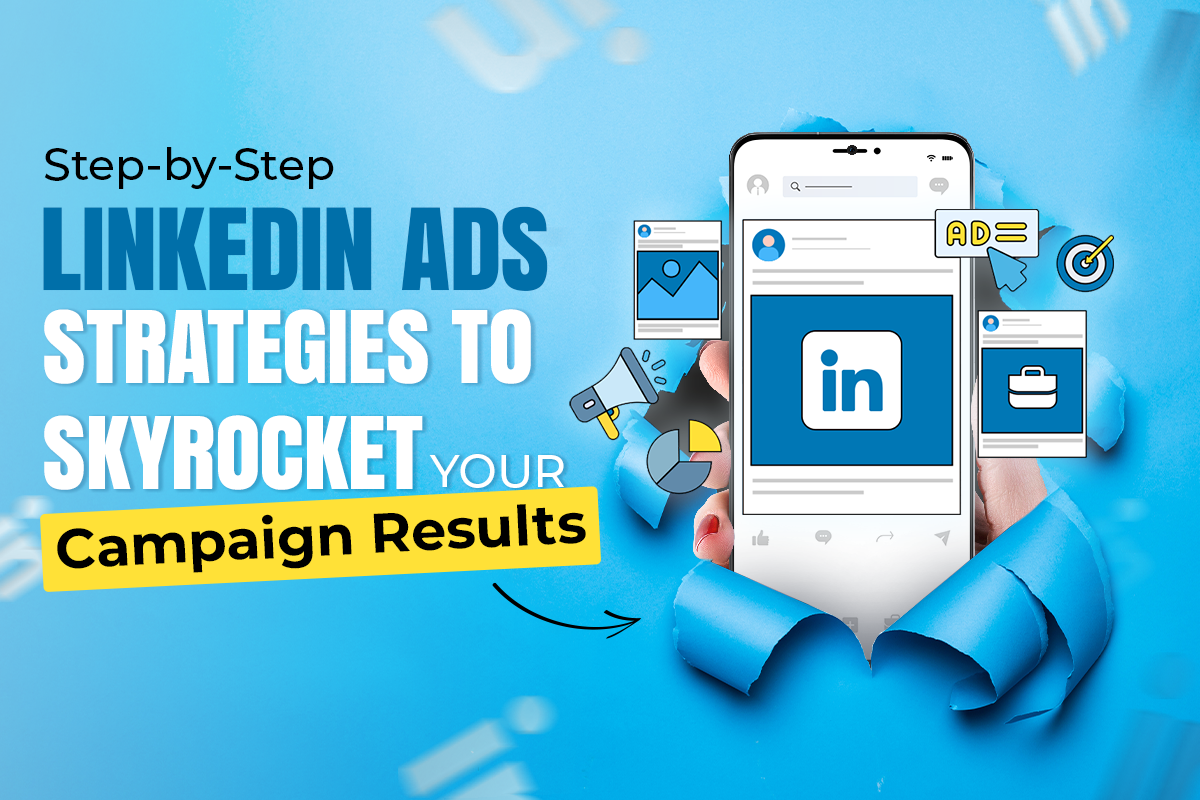
In the crowded, pixel-lit world of digital marketing, it’s easy to lose oneself in metrics. Campaigns become numbers. Leads, data points. But behind every click is a person—often over-scheduled, usually skeptical, rarely impressed. Particularly in B2B advertising platforms, the stakes are different. You’re not selling a product. You’re offering a proposition of value to professionals who’ve seen it all before.
- Define Your B2B Lead Gen Objective Clearly
- Build Laser-Focused Audience Segments
- Craft a High-Intent Offer That Solves a Problem
- Choose the Right LinkedIn Ad Format
- Write Copy That Converts
- Optimize Bidding and Budget Allocation
- Test Relentlessly. Iterate Intelligently.
- Retarget with Precision
- Integrate LinkedIn Leads into Your CRM
- Analyze Outcomes Beyond Vanity Metrics
- Final Checklist: Building LinkedIn Ads That Actually Work
LinkedIn, in this regard, is not just another platform. It’s a boardroom, not a marketplace. A place where decisions take form and roles and reputations matter. If you aim to generate B2B leads here, you’re stepping into a more refined arena—one where attention must be earned, not demanded. Few B2B advertising platforms offer LinkedIn’s level of targeting precision.
To navigate this space well, we must adopt a slower, more intentional approach. Each decision, from offer to copy, must be considered, tested, and quietly persuasive. This is a step-by-step guide, not in the style of instruction, but of reflection—built to help you think more deeply about how to run a LinkedIn ad campaign that speaks not just to the algorithm, but to the human behind the screen.
Define Your B2B Lead Gen Objective Clearly
Everything begins with intent. Not the checkbox on the campaign setup screen, but the quiet, internal definition of purpose. Trust is the true currency on B2B advertising platforms.
LinkedIn may ask you to choose between “website visits,” “engagement,” or “lead generation.” But before you do, ask yourself something less mechanical: What kind of action signals that this campaign succeeded? Sometimes it’s as simple as a form submission. Sometimes it’s more layered—brand recall, a follow-up conversation, a change in perception.
If your goal is truly B2B lead generation, you must choose formats and tools that reflect that. Native Lead Gen Forms reduce the burden on the user. They invite interest with minimal effort. But don’t mistake simplicity for shallowness—these small forms can initiate significant conversations when backed by thoughtful strategy.
Build Laser-Focused Audience Segments
LinkedIn isn’t about volume. It’s about precision. This is what sets it apart from other B2B advertising platforms.
While most platforms let you target by age or interest, LinkedIn lets you pinpoint decision-makers based on job title, seniority, company size, skills, and even group memberships.
Don’t cast a wide net. In B2B, vague targeting leads to wasted clicks. Sharpen your scope. Ask:
- Who feels the pain right now?
- Who influences the decision, even if they don’t make it?
Example Audience:
“IT Managers at mid-size SaaS companies in the U.S. with 5+ years of experience, in groups related to cloud security.”
Tip: Layer filters to refine—not just define—your audience. Better targeting = stronger relevance = higher conversions.
Craft a High-Intent Offer That Solves a Problem
In the world of B2B online marketing, your offer is more than a freebie. It is, in many ways, a first handshake. A gesture of usefulness.
The best offers don’t just inform. They shift something. A perspective, a plan, a priority. They signal that you understand the complexity of the reader’s role—and that you have something to help. Among B2B advertising platforms, LinkedIn excels at intent-driven outreach.
What works?
- Industry-specific insights
- Forecasts for the quarter or year
- Clear, ROI-driven audits or benchmarks
This isn’t about scale. A well-placed checklist can do more than a sprawling whitepaper. The key is intent. B2B content strategy should aim to meet a need, not just showcase expertise.
Choose the Right LinkedIn Ad Format
Your message matters, but so does how it’s delivered.
Here’s a quick breakdown of LinkedIn ad formats—and when to use them:
- Format That is Best For
- Sponsored Content | Sharing insights, articles, POVs | Conversational
- Lead Gen Forms | Capturing leads quickly | Efficient, low-friction
- Carousel Ads | Walking through ideas or steps | Visual storytelling
- Message Ads | Personal invites or offers | Direct, 1:1 tone
- Text Ads | Subtle CTAs, brand reinforcement | Light, supplemental
Pro Tip: Start with Sponsored Content & Lead Gen Forms. It’s the most balanced mix of storytelling and conversion.
Match format to intent. Complex offer? Use a Carousel. Quick demo sign-up? Try Lead Gen.
Write Copy That Converts
Clarity is not a lack of sophistication. It is discipline. And in B2B, clarity earns trust.
Your audience doesn’t want to be charmed. They want to be understood.
Good ad copy reflects three things:
- A tension that the reader recognizes
- A solution that is believable
- A next step that feels obvious, not forced.
You don’t need to be clever. You need to be exact. Show you’ve done your homework. Show you know them. Because when a headline resonates, it’s not because it’s flashy—it’s because it feels like something they’ve thought, but not yet voiced. B2B advertising platforms must balance reach with relevance.
Optimize Bidding and Budget Allocation
Budgets are often treated as constraints. But they are, in truth, declarations of value.
Start modestly. Let LinkedIn’s algorithms learn, at first. Then observe. Slowly take the reins. Refine. Test higher bids for high-converting segments.
Whether you’re a founder or a Digital Marketing Agency in Kolkata, your budget isn’t just what you spend—it’s what you learn per dollar.
Insights gathered here inform every future campaign. It’s not a cost center. It’s an education.
Test Relentlessly. Iterate Intelligently.
Testing isn’t failure—it’s strategy at work.
But let’s be clear: Testing doesn’t mean tossing spaghetti at the wall. It means making small, smart changes and watching what moves.
Elements – What to Test & What to Measure
- Headline | Change the tension or value prop | Click-through rate (CTR)
- CTA Button | “Download Now” vs “Get the Guide” | Conversion rat
- Visual | Static vs motion | Dwell time, scroll rate
- Offer Format | Checklist vs whitepaper | Lead quality, completion rate
Only test one thing at a time.
Too many variables = foggy results.
If something flops, don’t panic. Ask:
- Was it the offer?
- The wrong format?
- Misaligned audience?
Win or lose, extract a learning. That’s where campaigns get smarter—and cheaper—over time.
Retarget with Precision
First impressions matter. But so do second chances.
LinkedIn makes it possible to re-engage those who almost acted. Who showed interest? Who paused, hovered, clicked—but didn’t convert.
These people are close. Often, they just need something clearer. A case study. A direct benefit. A softened tone.
To truly understand how to run ads to reach professionals, you must understand the tempo of their decision-making. It’s rarely immediate. Precision in retargeting respects that. Among all lead generation platforms, LinkedIn stands out for its precision in targeting decision-makers. Success on B2B advertising platforms depends less on volume and more on message-market fit.
Integrate LinkedIn Leads into Your CRM
A lead isn’t the goal—it’s the starting line.
Too often, leads sit in spreadsheets waiting for action. However, in B2B, timing and tone matter just as much as targeting.
Automate the handoff.
Integrate LinkedIn Lead Gen Forms with your CRM using:
- HubSpot
- Salesforce
- Zapier (for custom workflows)
- Make/Integromat
Then set up automated, human-toned follow-ups within 24–48 hours. No generic “thanks for filling this out.” Start a real conversation.
Tip for Agencies: If you’re managing multiple funnels (e.g., as a Digital Marketing Agency in Kolkata), build centralized dashboards to avoid lead leaks.
Remember: People fill out forms when interest is high. Don’t make them wait. Speed = trust.
Analyze Outcomes Beyond Vanity Metrics
Impressions. Clicks. Leads. They look great on a report, but they don’t always mean growth.
Here’s how to go deeper:
Ask better questions:
- Did this campaign spark real conversations?
- Which content drove qualified engagement?
- Are we reaching decision-makers or just browsers?
Go beyond surface data:
Metric & Why It Matters
- Lead Quality Score | Not all leads are buyers
- Sales Follow-Up Rate | If sales aren’t calling, something’s off
- Pipeline Influence | Did this campaign touch actual deals?
- Engagement by Job Seniority | Are VPs clicking—or interns?
Build a feedback loop with your sales or client team. Ask:
“What did these leads actually say on the call?”
Real optimization begins where the spreadsheet ends.
Final Checklist: Building LinkedIn Ads That Actually Work
LinkedIn isn’t just another ad platform. It’s where decisions are made—and reputations are built. Here’s your 10-point sanity check before launching your next B2B campaign:
STRATEGY
- Define the Real Goal
Form fills or booked calls? Know your true success metric. - Target the Right People, Not Just Job Titles
Layer roles, seniority, groups, and company size for precision.
OFFER & CREATIVE
- Craft an Offer That Solves a Problem
Think beyond whitepapers. Think ROI, checklists, audits, or benchmarks.
- Pick the Format That Fits the Message
Use Carousels for frameworks, Lead Gen Forms for frictionless capture.
- Write Copy That Feels Familiar
Say what they’re already thinking—just more clearly.
EXECUTION
- Let the Budget Teach You
Start small, observe performance, scale what works. - Test One Thing at a Time
Headline, image, CTA—change it, measure it, repeat - Retarget Thoughtfully
Follow up with warmth, relevance, and a better second offer.
BACKEND & ANALYTICS
- Integrate and Respond Quickly
Don’t let leads go cold—use CRM tools and human follow-up. - Look Past Vanity Metrics
Track quality, conversations, and real pipeline impact.
Conclusion
To build a successful LinkedIn ad campaign is to take part in a longer, slower conversation. It requires thought. Not just about what to say—but how to say it, when to say it, and to whom. Effective B2B direct marketing examples on LinkedIn do show this trend.
It’s not about chasing business leads. It’s about creating the conditions where trust can form. It’s about where professionals recognize not just your offer, but your understanding of their world.
Whether you’re working in-house or within a Digital Marketing Agency in Kolkata, the challenge is the same: say less, but mean more.
Because in a world of noise, it is the thoughtful voice that stands out—and the honest one that gets remembered.