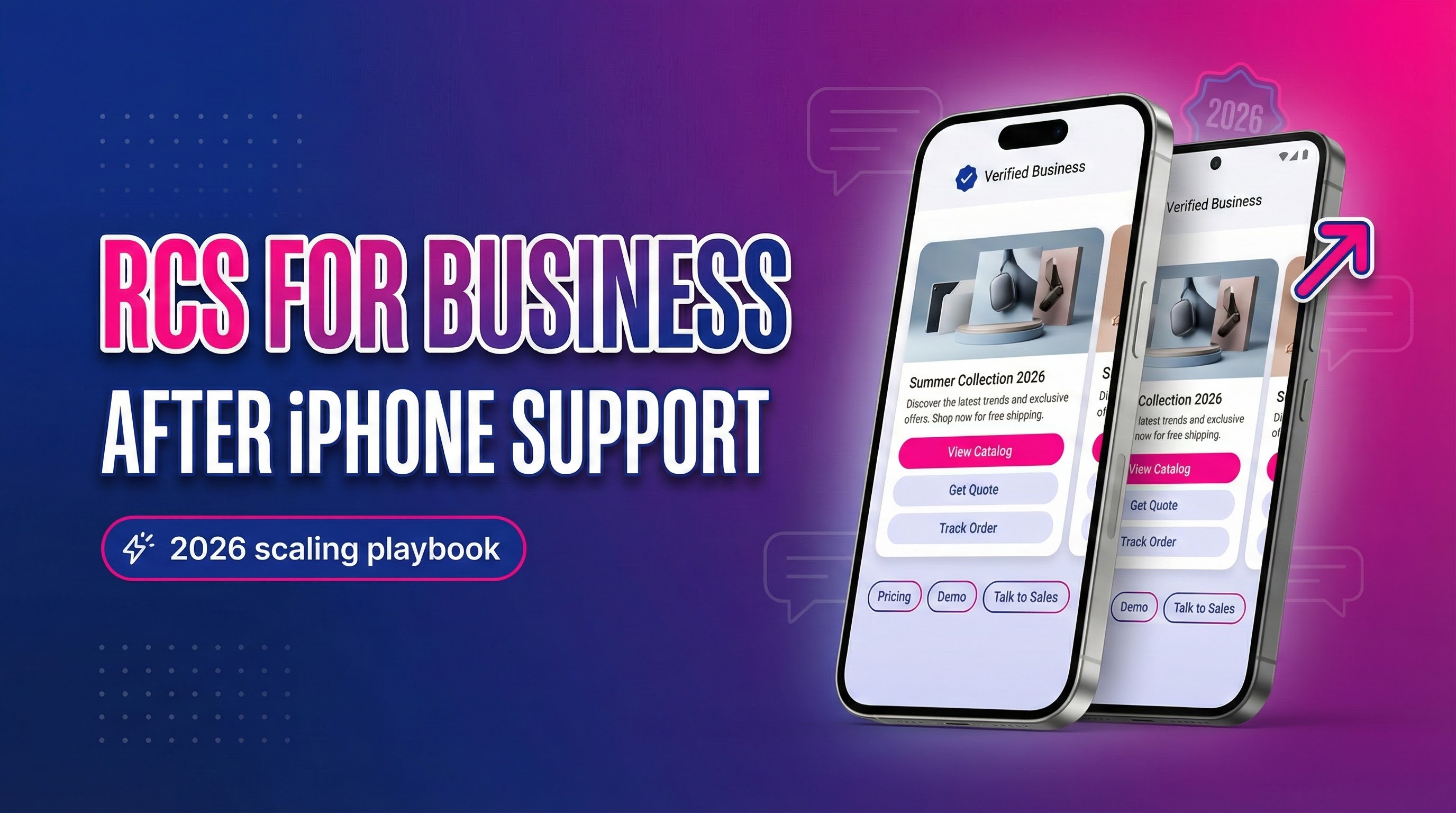
Why iPhone support changed the RCS game?
For years, rich messaging in the default inbox was uneven: iMessage on iPhone, RCS mainly on Android. That gap is shrinking.
- Why iPhone support changed the RCS game?
- What “RCS for Business (RBM)” actually is?
- Why CPaaS teams are scaling RCS in 2026?
- 1) The native inbox is back as a conversion channel
- 2) Better funnel performance than text-only messaging
- 3) Standardization through GSMA Universal Profile
- 4) Strong growth forecasts for business messaging
- RCS vs SMS vs WhatsApp in 2026 (what to use when)
- High-impact RBM use cases CPaaS teams scale in 2026
- Use Case 1 — Performance marketing in the inbox (retail/ecom)
- Use Case 2 — Lead qualification at scale (services/education/real estate)
- Use Case 3 — Transactional updates that reduce support tickets (logistics/healthcare)
- Use Case 4 — Customer support menu + smart escalation
- Use Case 5 — Document-first journeys (finance/insurance)
- The 2026 RBM playbook (how to scale without breaking delivery)
- Step 1 — Start with coverage + fallback design
- Step 2 — Design messages for “one-tap outcomes”
- Step 3 — Build verified brand presence (trust first)
- Step 4 — Measure like performance marketing
- How Turain’s CPaaS teams helps Businesses to scale with RCS in 2026 (naturally)?
- Conclusion
- FAQ’s
- What is RCS for Business (RBM)?
- Does RCS work on iPhone now?
- How do users enable RCS on iPhone?
- What can brands send in RCS for Business?
- What is a “Verified Business” profile in RCS?
- If RCS isn’t available on a device, what happens?
- RCS vs SMS vs WhatsApp—how do brands choose?
- Is RCS end-to-end encrypted?
- What are the best use cases for RCS after iPhone support?
- How do CPaaS teams measure RBM performance?
Apple confirmed that Messages supports RCS in iOS 18 when texting non-Apple devices, enabling richer media and more reliable group messaging compared to SMS/MMS.
That matters for businesses because:
-
- More cross-platform conversations can stay “rich” in the native inbox
- Engagement patterns shift from “text-only alerts” to “interactive journeys”
- CPaaS teams can standardize templates, reporting, and automation across devices
The reality check: carrier support still matters
Apple’s own support documentation is clear: to use RCS on iPhone, users need iOS 18 + a carrier plan that supports RCS on iPhone.
So, in 2026, the opportunity is huge—but smart teams still design:
-
- coverage-aware campaigns
- graceful fallback (e.g., SMS/voice) where RCS isn’t available
What “RCS for Business (RBM)” actually is?
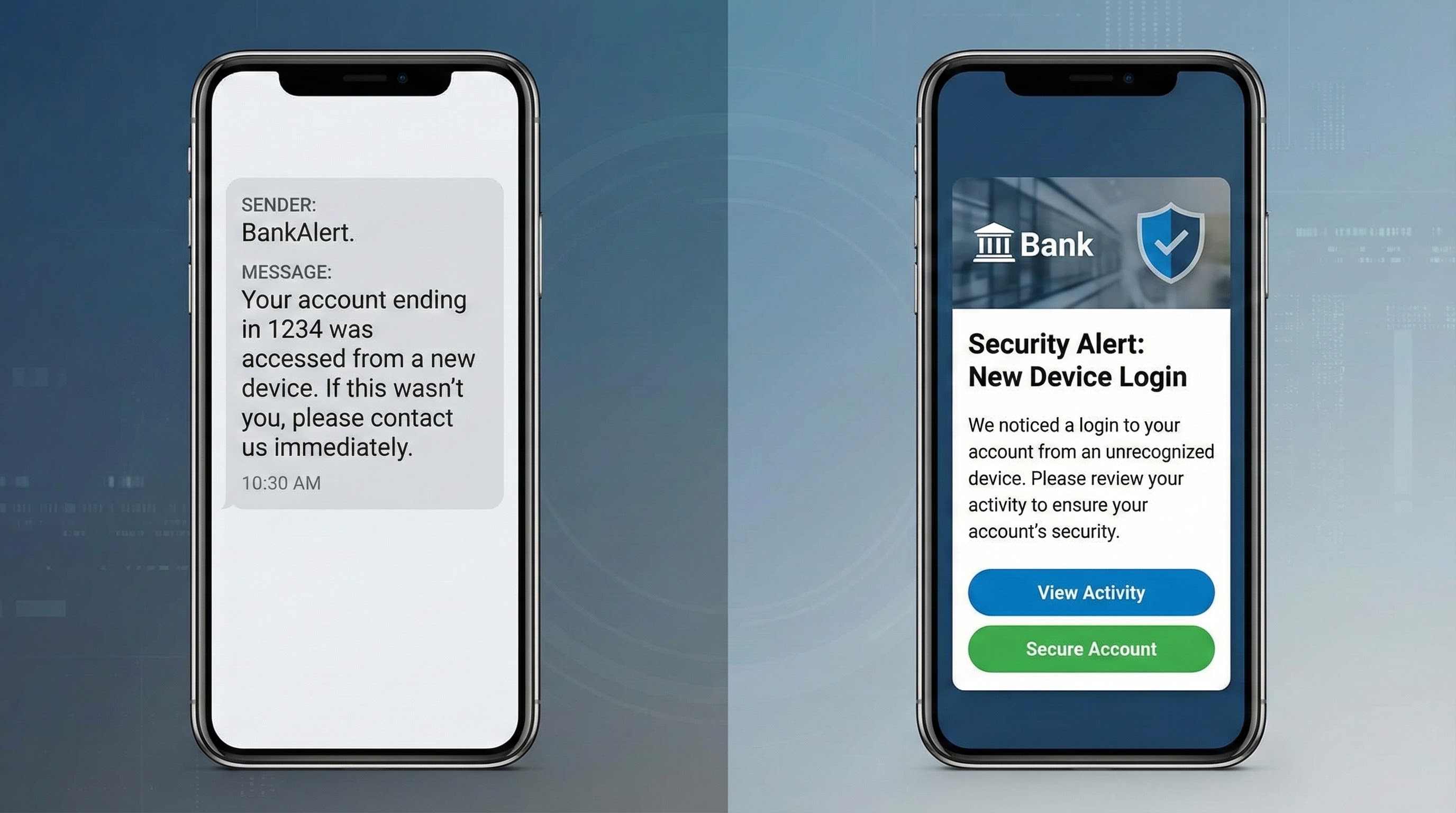
RBM is the business layer of RCS. Instead of sending a plain text SMS, a brand can send:
-
- rich cards (image/video + title + description)
- carousels
- PDF/media
- suggested replies and suggested actions (buttons)
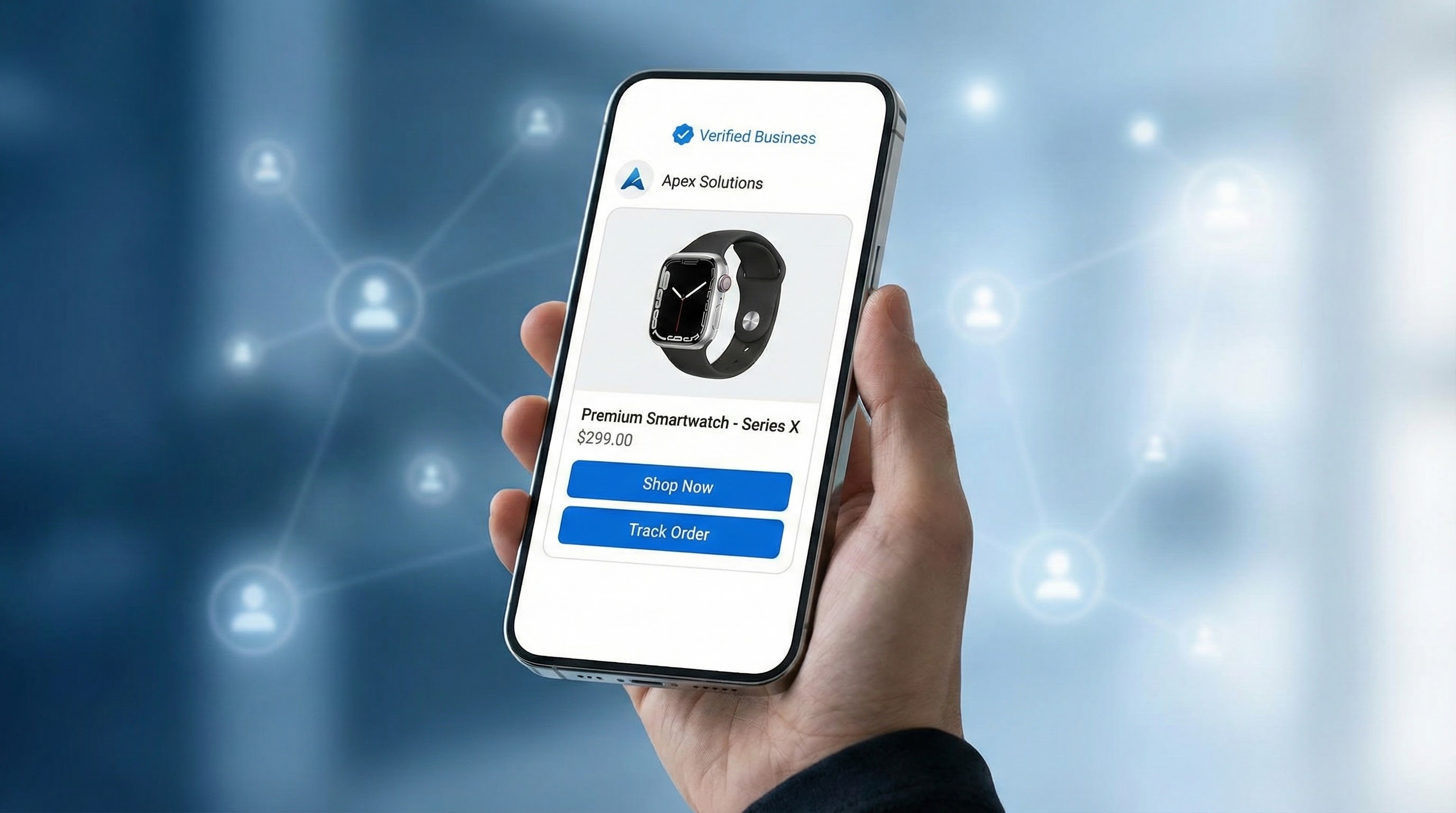
Verified branding and business profile experience
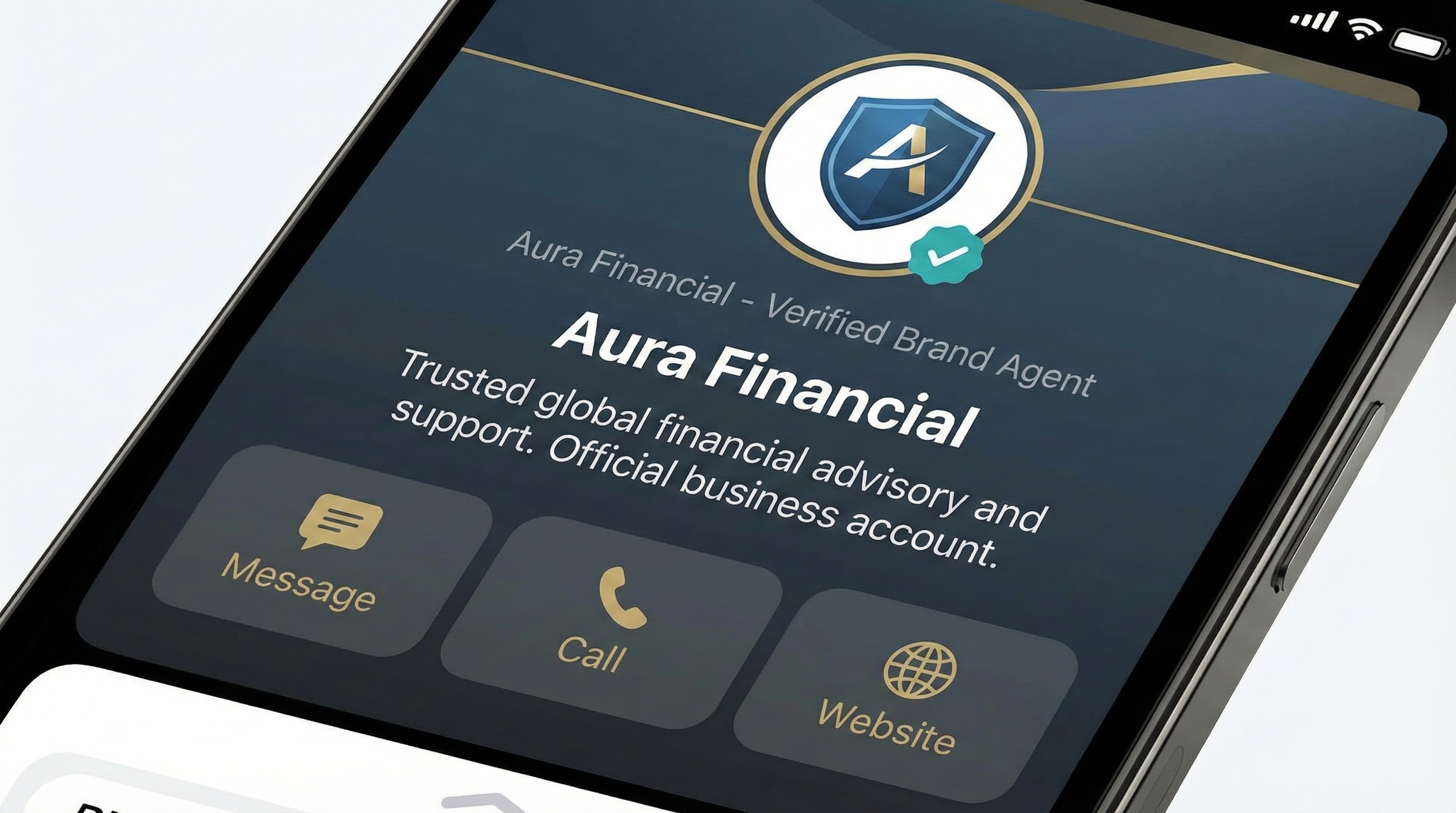
Google’s developer documentation describes RBM “agents” that present brand/profile info (name, logo, description, contact details, URLs) in the user’s messaging app—and notes conversations can appear in iMessage or Google Messages (when RCS-enabled).
This “branded inbox” feel is a big reason RBM can outperform SMS for high-intent journeys.
Why CPaaS teams are scaling RCS in 2026?
1) The native inbox is back as a conversion channel
- RCS lives in the default messaging app—no install, no new user behavior. And usage is rising at scale: Google reports over 1 billion RCS messages per day in the U.S.
2) Better funnel performance than text-only messaging
RCS enables:
- richer product storytelling (media + carousel)
- lower friction actions (tap-to-call, open URL, store locator)
- better experience signals (delivery, reads, interaction)
3) Standardization through GSMA Universal Profile
The GSMA continues publishing RCS Universal Profile specs (e.g., UP 3.0 / 3.1), pushing more consistent experiences across networks/devices.
4) Strong growth forecasts for business messaging
Juniper Research forecasts show significant RBM traffic growth, including commentary tied to Apple’s support (e.g., 50B business RCS messages in 2025, up from 33B in 2024).
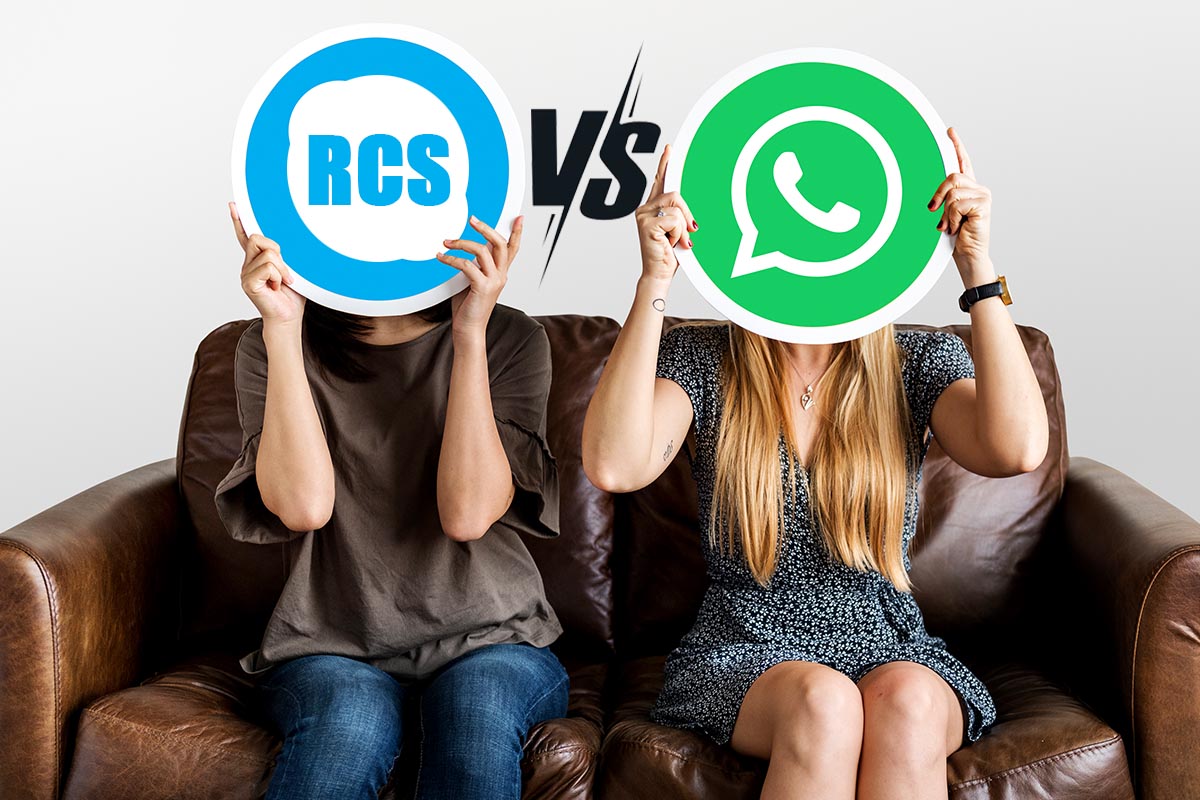
RCS vs SMS vs WhatsApp in 2026 (what to use when)
When RCS wins?
Use RCS when you want native reach + rich interaction:
-
- product discovery
- offer + CTA journeys
- appointment booking journeys
- post-purchase support menus
When SMS still wins?
SMS remains the fallback king for:
-
- universal reach
- ultra-time-sensitive alerts
- regulated/OTP flows (paired with DLT where required)
When WhatsApp wins?
WhatsApp is powerful for:
-
- conversational commerce
- catalogues + longer threads
- opt-in marketing and customer support (where appropriate)
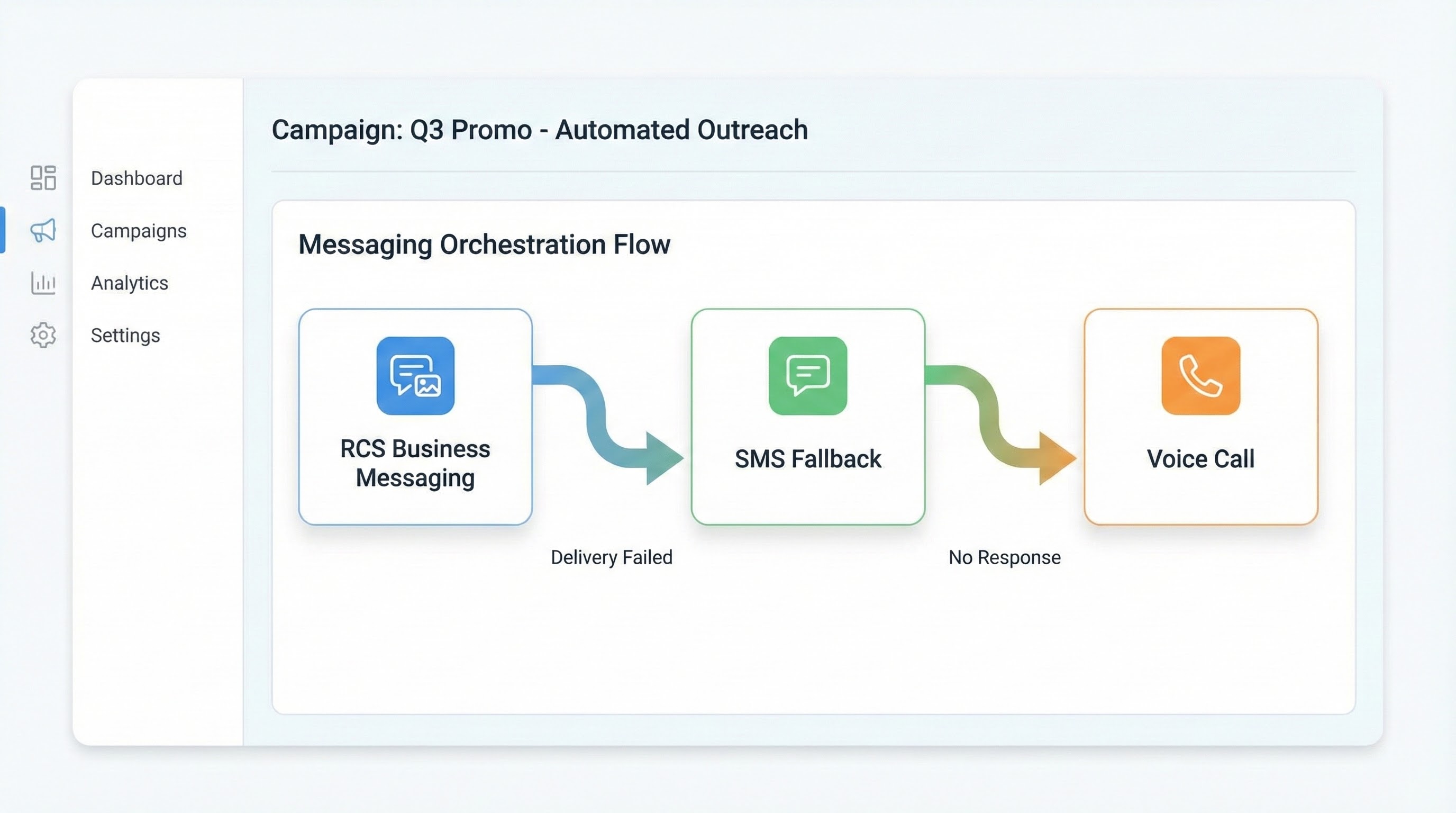
Best practice in 2026: Don’t pick one—orchestrate all three via CPaaS.
High-impact RBM use cases CPaaS teams scale in 2026
-
Use Case 1 — Performance marketing in the inbox (retail/ecom)
- Flow: Carousel → “Shop Now” → deep link → abandonment reminder → fallback SMS
- Why RBM: rich visuals + tappable CTAs inside the default inbox
-
Use Case 2 — Lead qualification at scale (services/education/real estate)
- Flow: “What are you looking for?” buttons → capture intent → route to sales → book a callback
- Add-on: click-to-call + toll-free IVR for instant conversion
-
Use Case 3 — Transactional updates that reduce support tickets (logistics/healthcare)
- Flow: Delivery status card → “Track” → “Reschedule” → “Talk to agent”
- Fallback: transactional SMS when RCS not available
-
Use Case 4 — Customer support menu + smart escalation
- Flow: Support categories → automated answers → agent handoff
- RBM supports interactive suggestions and rich content for guided journeys.
-
Use Case 5 — Document-first journeys (finance/insurance)
- RBM can send PDFs/media through the RBM API, useful for policy docs, quotes, brochures.
The 2026 RBM playbook (how to scale without breaking delivery)
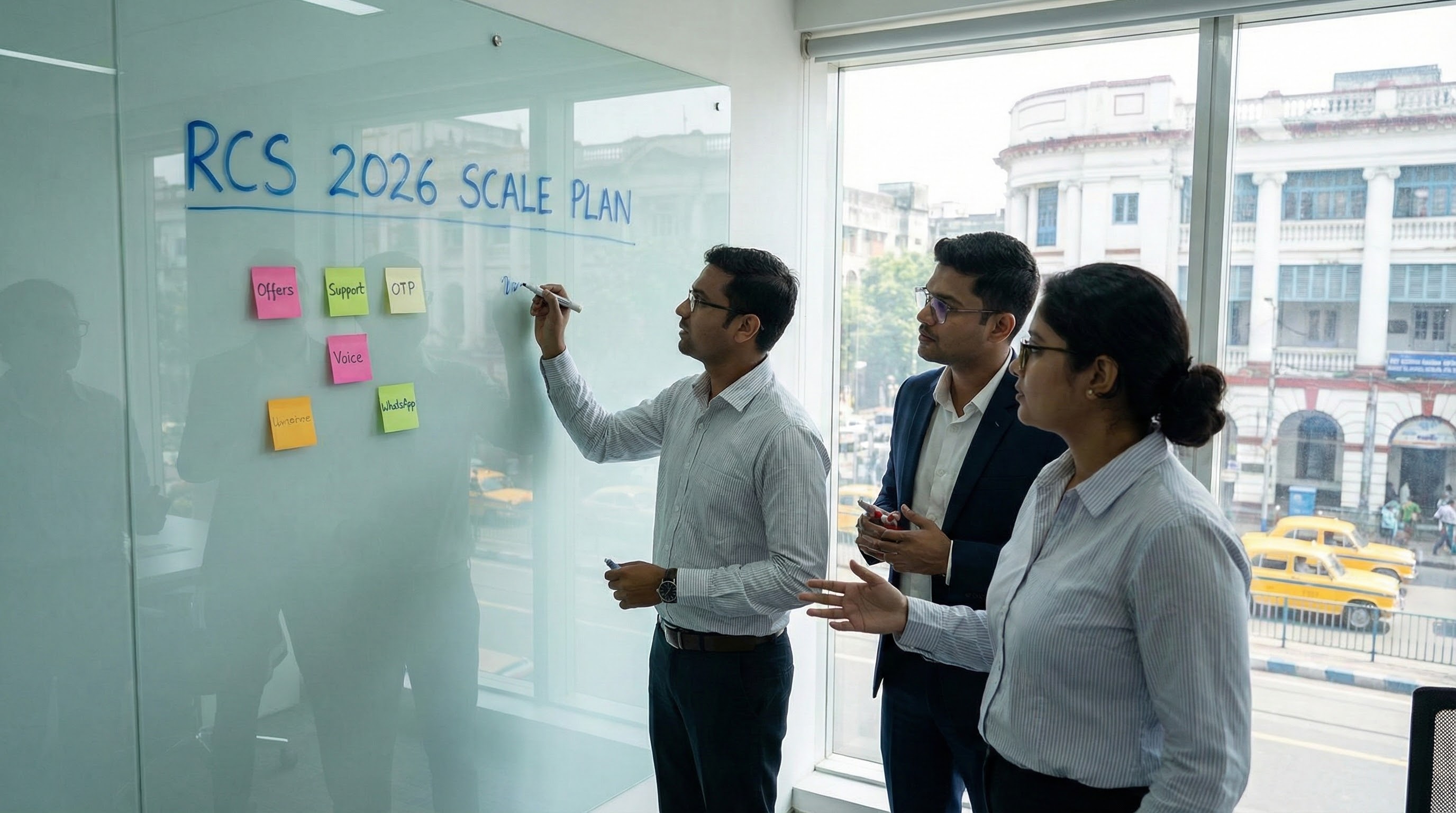
Step 1 — Start with coverage + fallback design
Because iPhone RCS depends on carrier support, plan:
-
- RCS where supported
- SMS fallback for coverage-sensitive traffic
Step 2 — Design messages for “one-tap outcomes”
Keep cards and CTA buttons focused:
-
- 1 primary action (buy, book, track)
- 1 secondary action (call, help)
Step 3 — Build verified brand presence (trust first)
Use the agent profile/branding approach to make your inbox presence unmistakably official.
Step 4 — Measure like performance marketing
Track:
-
- delivery and reads (where available)
- clicks on actions
- funnel completion
- fallback performance (RCS → SMS)
How Turain’s CPaaS teams helps Businesses to scale with RCS in 2026 (naturally)?
If you want to scale RBM like a true growth channel (not just “pretty SMS”), you need orchestration.
-
- “Launch RBM campaigns with verified branding” → (Turain RCS Services)
- “Need guaranteed reach? Add SMS fallback” → (Turain Bulk SMS / Transactional SMS)
- “Secure logins & confirmations” → (Turain OTP SMS)
- “Voice + IVR for instant conversion” → (Turain Toll-Free IVR / Cloud Call Center / Contact Center)
- “Conversational commerce stack” → (Turain WhatsApp Marketing)
Conclusion
After iPhone support, RCS is evolving from “Android rich messaging” into a mainstream, native inbox channel. In 2026, CPaaS teams scale RBM because it combines reach + branding + interactivity—and when paired with SMS/voice/WhatsApp fallbacks, it becomes a reliable full-funnel messaging engine.
Disclaimer:

RCS features and availability can vary by carrier, region, device, and app implementation. Always validate support and UX in your target markets and use compliant opt-in practices for messaging campaigns.
FAQ’s
What is RCS for Business (RBM)?
RCS for Business (often called RBM) is a business messaging format delivered inside RCS-enabled messaging apps (like iMessage or Google Messages), allowing brands to use rich content and interactive UI instead of plain text.
Does RCS work on iPhone now?
Yes—iPhone supports RCS when the user has iOS 18+ and a mobile plan from a carrier that supports RCS on iPhone. Availability can vary by carrier and region.
How do users enable RCS on iPhone?
Users can enable it via Settings → Apps → Messages → RCS Messaging. Apple notes there may be a short delay after turning it on.
What can brands send in RCS for Business?
RCS for Business supports text + rich cards + media (images/video) + PDFs + suggested replies + suggested actions (buttons)—often in a single message request.
What is a “Verified Business” profile in RCS?
RBM uses an agent profile where the messaging app can display your brand identity (name, logo, description, URLs/contact info). This is a key trust element for business messaging.
If RCS isn’t available on a device, what happens?
Best practice is to check device capability before starting and set up a fallback (commonly SMS) when the user/device can’t receive RCS.
RCS vs SMS vs WhatsApp—how do brands choose?
A common 2026 approach is:
– RCS: rich, interactive experiences (cards/buttons) in the native messaging app
– SMS: universal reach + reliable fallback
– WhatsApp: app-based engagement with templates and policy rules
Most teams orchestrate all three rather than picking only one.
Is RCS end-to-end encrypted?
The GSMA has published Universal Profile specifications that include work toward interoperable end-to-end encryption (MLS) for RCS, but rollout depends on platform and carrier implementations.
What are the best use cases for RCS after iPhone support?
High-impact use cases include:
– Product discovery (catalog cards + buttons)
– Lead gen (get quote/book demo buttons)
– Order updates with rich context (tracking card + CTA)
– Customer support routing (suggested actions + escalation paths)
These rely on RBM’s rich cards and actions.
How do CPaaS teams measure RBM performance?
Most teams track delivery/read signals (where available), button clicks, funnel drop-offs, and—crucially—fallback rate (how many users needed SMS). Capability checks + tailored interactions are recommended.