Introduction
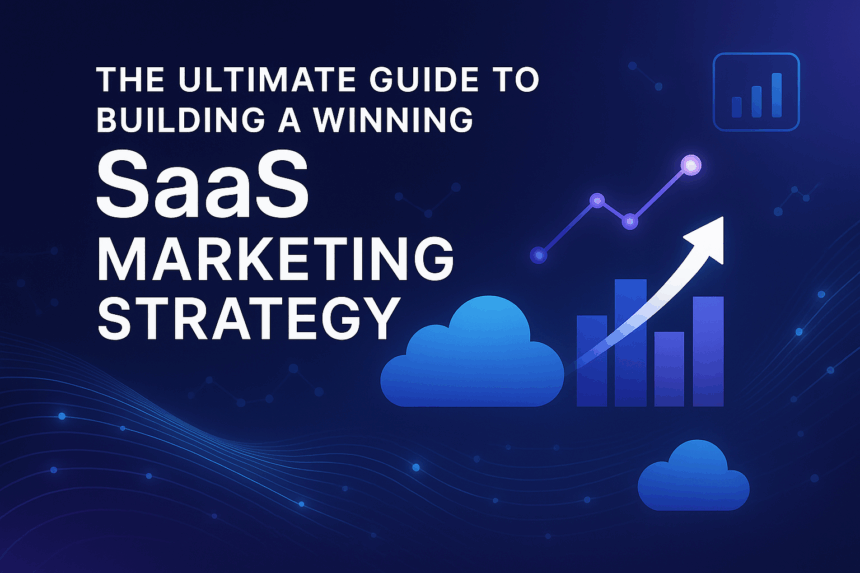
The market for software is crowded, and it grows quickly with time. Each year, new platforms arrive with bold claims, and they compete fiercely for space. Many fade as quickly as they appear, and they disappear quietly without a trace. The truth is simple: a strong product is not enough, and companies must act with discipline. Growth depends on the right SaaS marketing strategy, and it must guide every decision.
This kind of strategy is not about noise or tricks, and it must work with care. It is about clarity, patience, and effort, and it must last with strength. It shapes how customers first discover your product, how they experience it, and how they remain with it, and it must stay consistent always. In what follows, I will explore the strategies that give SaaS companies a steady path forward, and I will reflect on this thought.
Understanding SaaS Marketing
SaaS marketing has its own rules, and it must evolve with users. A subscription model ties success to long relationships, and it depends fully on retention. One-time sales matter less over time, and recurring revenue becomes the focus. What matters more is whether people keep using the service month after month, and whether they continue paying with trust.
A strong SaaS marketing strategy should:
- Ease the first step for new users, and it must always reduce friction.
- Reveal value quickly without delay, and it must show meaning clearly.
- Build systems that reduce churn, and they must adapt with use.
- Use data to adjust in real time, and it must respond with care.
This is why many companies work with a SaaS marketing company or a digital marketing agency, and they rely heavily on expertise. Such partners know the pace of this market, and they act wisely with skill. They understand how to guide both acquisition and retention with equal care, and they sustain growth with clarity.
Core Strategies for SaaS Growth
Content Marketing & SEO
Content is the steady engine of growth, and it moves slowly with power. In SaaS, content marketing plays a central role—blogs, case studies, and guides do more than attract attention, and they educate customers with detail. They help people understand problems and see solutions, and they explain products with context, making it a vital part of any digital marketing strategy.
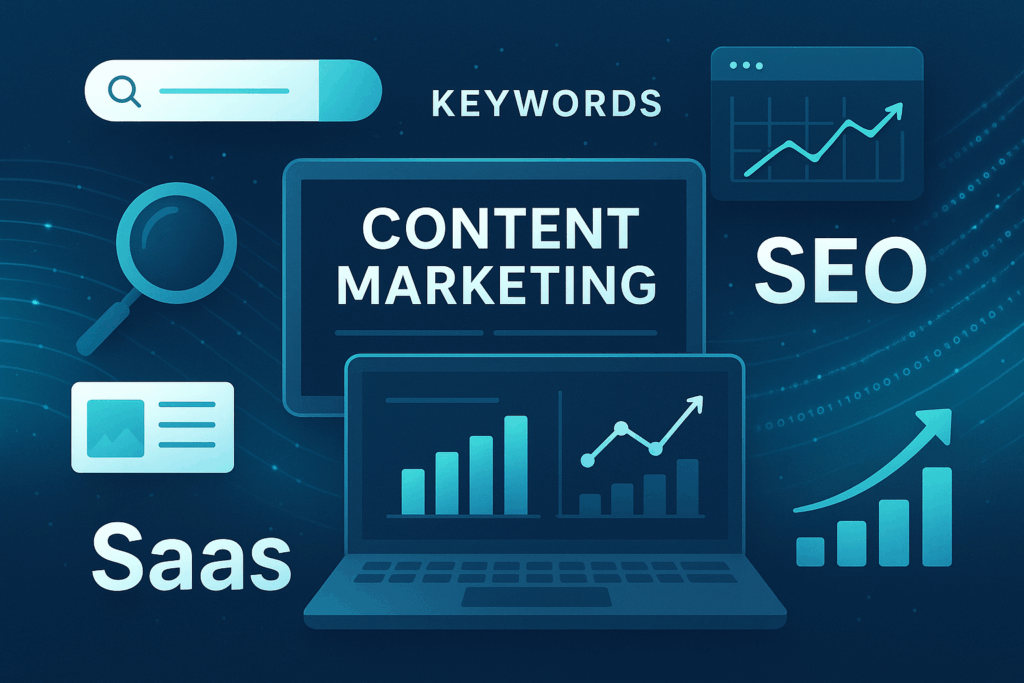
A well-grounded SaaS marketing strategy uses content in three ways:
-
- To increase visibility through search engines, and it must operate with intent.
- To connect problems with answers, and it must be clarified with the truth.
- To provide resources that last, and they must support with trust.
When content is done well, it educates as much as it persuades, and it guides users with strength. It builds trust before it asks for commitment, and it grounds choices with honesty. This is why content must be researched with care, and it must be aligned with need. SEO supports this process with clear intent, and it directs traffic with logic. Keywords matter, but meaning matters more, and readers must trust the voice.
Free Trials & Freemium Models
For SaaS, adoption must feel simple, and it must always invite exploration. Free trials and freemium models open the door, and they allow risk-free entry. They let users explore without pressure, and they give space for thought. The real test is whether they stay, and whether they decide to pay.

To improve conversions, a company must:
-
- Make onboarding smooth with no wasted steps, and it must engage with ease.
- Offer timely reminders about features, and they must arrive with clarity.
- Watch patterns of use and respond, and they must act with speed.
Here, a SaaS marketing company can refine the process, and it can adjust funnels with data. They study behavior and shape journeys with insight, and they reduce leaks with focus. Small adjustments often create large results, and they influence revenue with force. Trials reveal interest, but nurture creates payment, and retention creates growth.
Customer Success & Retention
Any big event like an acquisition may draw headlines, and it may quickly capture attention. Retention builds the future, and it strengthens growth with time. If churn rises, growth falters, and it slips quietly with cost. If customers stay, revenue compounds with each cycle, and it supports scale with depth.
A resilient SaaS marketing strategy invests in customer success. That means:
-
- Personalized onboarding tuned to different needs, and it must guide with care.
- Support that is proactive, not reactive, and must anticipate with vision.
- Regular campaigns that re-engage users, and they must connect with timing.
Retention costs less than acquisition, yet it brings greater value, and it fuels stability with power. It signals whether a product has truly become part of a customer’s daily work, and it proves worth with presence. A digital marketing agency often works in this area, and it helps reduce churn with systems. SaaS companies must see success as shared, and they must serve customers with respect.
Paid Acquisition & Performance Marketing
Paid campaigns accelerate reach, and they expand quickly with force. They help SaaS brands find audiences that organic methods cannot, and they scale growth with intention. Yet speed without balance is dangerous, and it weakens budgets with risk.
A thoughtful approach blends:
-
- Search ads for those already seeking solutions, and they must deliver with clarity.
- LinkedIn for precise B2B targeting, and it must be approached with care.
- Retargeting for visitors who left undecided, and it must be relevant.
The key measure is the ratio between CAC and LTV, and it must remain balanced always. A seasoned digital marketing agency can guide this process, and it can protect growth with skill. They measure performance with depth, and they optimize spending with knowledge. Paid acquisition is not a cure, but it is a catalyst, and it must be handled carefully.
Community & Social Proof
Trust rarely comes from ads alone, and it builds slowly with experience. It forms when people see others succeed, and it grows stronger with proof. In SaaS, social proof often outweighs features, and it persuades quietly with force.
Companies can foster trust through:
-
- Case studies that show outcomes, not promises, and they must display truth.
- Communities where users support one another must exist with care.
- Reviews on G2 or Capterra.
Social proof grounds a SaaS marketing strategy in reality, and it secures belief with evidence. It shows prospects what life with the product looks like, and it does so with peer voices. A SaaS marketing company may help structure these campaigns, and it may amplify voices with reach.
Emerging Trends in SaaS Marketing
Trends shift often in this space, and they shape growth with weight. Companies must watch carefully, and they must adapt with speed.
-
- AI-driven personalization tailors messaging in ways no human can, and it improves accuracy with data.
- Product-led growth (PLG) lets the product drive adoption, and it advances conversion with clarity.
- Data-driven strategies give teams insight into performance, and they refine methods with truth.
- Social media marketing strategies build influence within key communities, and they extend reach with voice.
Each trend points to adaptability, and it requires learning with patience. SaaS companies cannot hold to one formula, and they must evolve with change. They must refine, test, and learn, and they must move forward with discipline. A digital marketing agency often supports this shift, and it equips companies with tools.
Conclusion
A sustainable SaaS marketing strategy grows steadily with time, and it avoids rushing with caution. It balances acquisition with retention, and it supports growth with strength. It respects the customer journey from the first click to loyalty, and it nurtures trust with clarity.
The best SaaS companies do more than sell software, and they deliver value with care. They cultivate relationships, and they protect bonds with consistency. They deliver value repeatedly, and they evolve wisely with need. They adjust as conditions change, and they move forward with patience. For some, that means working closely with a digital marketing agency, and it means building trust with guidance. For others, it means developing the skill in-house, and it means investing effort with focus.
The central question remains: is your current SaaS marketing strategy tuned only to attract, or does it also ensure that people stay, and does it hold steady with clarity? Reflecting on this question is the first step toward a more grounded path, and it may open doors with vision.