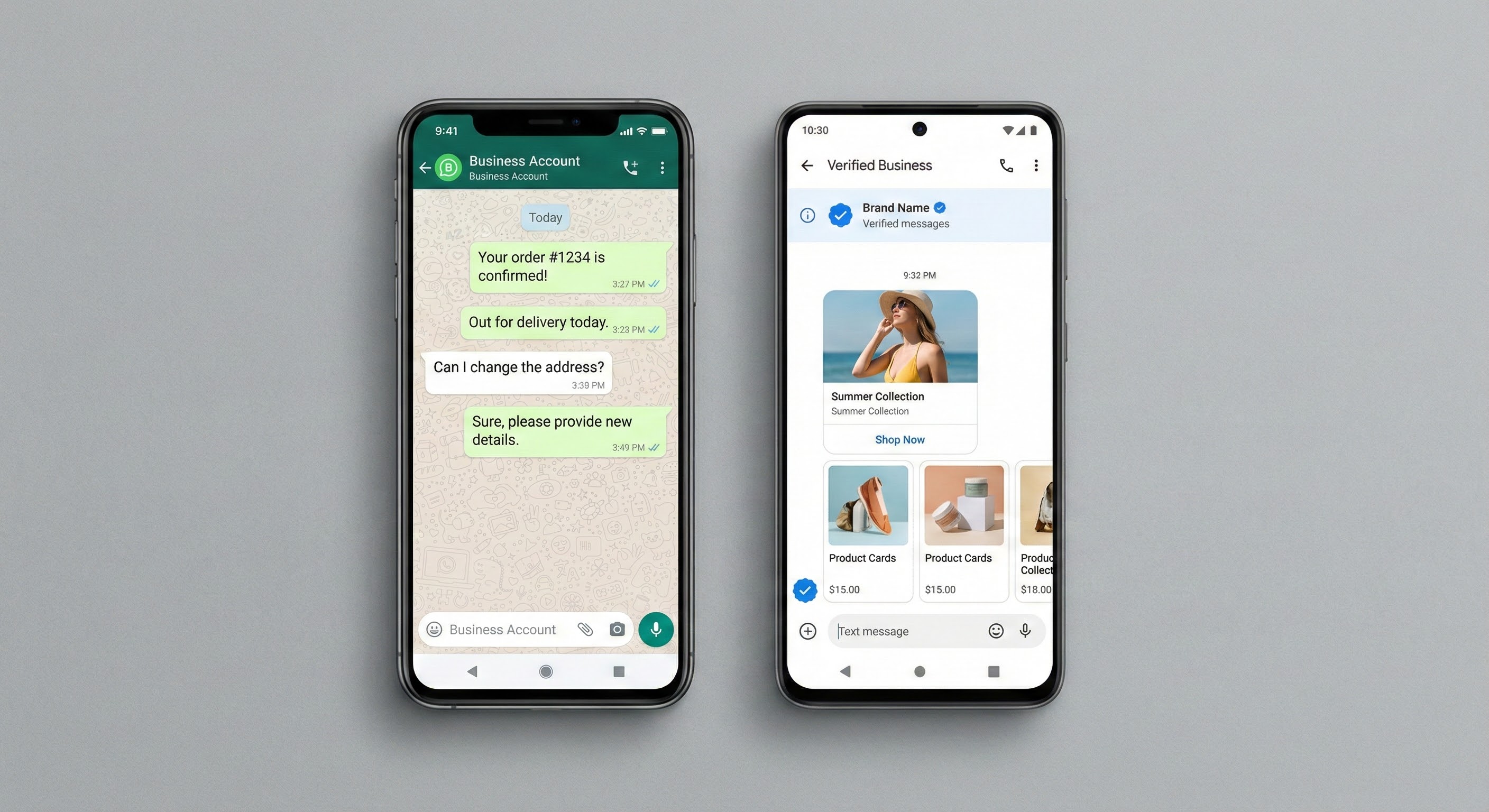
WhatsApp Marketing vs RCS Messaging In 2025, WhatsApp Marketing attracts attention strongly, and it does so through familiarity and habit. RCS Messaging also rises as a serious option, and it brings structure with verified branding. Both promise engagement and efficiency, yet both operate through very different foundations. Many teams hesitate while choosing between them, because wrong choices increase operational friction and long-term communication costs. This comparison exists to reduce uncertainty, and it explains how each system functions clearly while showing where each system fits better. Readers will gain clarity for informed business decisions.
- What Is WhatsApp Marketing?
- Simple definition of WhatsApp Marketing
- How WhatsApp Business API works in India?
- Why WhatsApp became popular with Indian businesses
- What Is RCS Messaging?
- Clear definition of RCS Messaging
- How RCS works through mobile networks?
- The role of Google and telecom operators in India
- WhatsApp Marketing vs RCS Messaging: Feature Comparison in India?
- Changing customer expectations in 2025
- Trust reach and engagement challenges
- Cost and scalability concerns for businesses
- How Does WhatsApp Marketing Work?
- Account setup and verification process
- Message formats and automation flow
- Opt-in rules and user consent model
- How Does RCS Messaging Work?
- Business onboarding and sender verification
- Message delivery through telecom networks
- Rich media branding and interaction flow
- Key Features of WhatsApp Marketing
- Rich media messaging with high engagement
- Two-way conversations and chat automation
- Customer support and CRM integration
- Key Features of RCS Messaging
- WhatsApp Marketing vs RCS Messaging — Feature Comparison
- Reach and device compatibility in India
- User trust and message visibility
- Cost structure and pricing control
- Data ownership and platform dependency
- Who Should Use WhatsApp Marketing?
- Who Should Use RCS Messaging?
- Enterprises and large brands
- Banks, telecom, and regulated industries
- Businesses running large-scale campaigns
- Practical Use Cases in India
- Promotional campaigns and product launches
- Transactional alerts and notifications
- Customer engagement and retention journeys
- Real World Examples
- Example of WhatsApp Marketing for retail
- Example of RCS Messaging for BFSI
- Example of hybrid usage for large brands
- Limitations of WhatsApp Marketing
- Limitations of RCS Messaging
- WhatsApp Marketing vs RCS Messaging — Which Is Better in 2025?
- Future Outlook of Business Messaging in India
- Expected growth of RCS adoption
- WhatsApp’s evolving role for businesses
- Why omnichannel strategies will dominate
- Conclusion — Making the Right Choice for Your Business
Indian businesses now depend on messaging more deeply, and they rely on mobile screens for daily communication. Customers expect instant clarity through phones, and they demand responses that feel timely and relevant. Email feels slow for modern attention spans, and SMS feels limited for rich digital experiences today. This situation creates confusion across growing teams, especially when scale increases and expectations rise together. Decision makers seek channels that feel personal and trusted, while they also need systems that remain scalable and predictable.
What Is WhatsApp Marketing?
Simple definition of WhatsApp Marketing
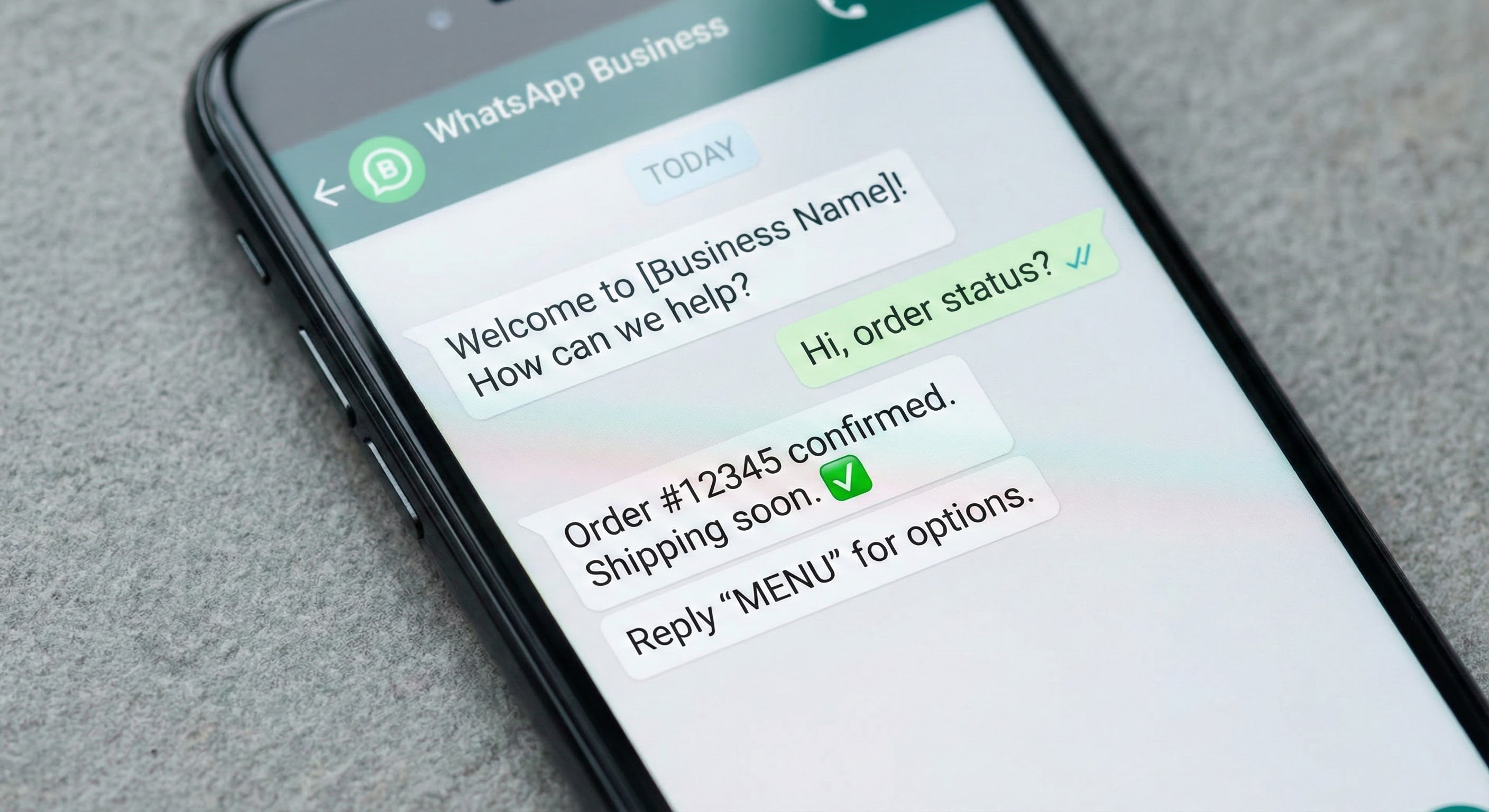
WhatsApp Marketing refers to business messaging on WhatsApp, and it enables brands to communicate directly with users who provide consent. Messages reach users inside familiar chat spaces, and this familiarity reduces resistance to interaction naturally. Businesses use WhatsApp for promotions, for transactional updates, and for customer support journeys. Communication feels conversational and informal, yet the system remains structured underneath through templates and approval flows. Consent-based messaging protects user trust over time, and this balance defines WhatsApp Marketing clearly.
How WhatsApp Business API works in India?
WhatsApp Marketing in India uses the WhatsApp Business API, and businesses must work through approved solution providers. Account verification ensures brand legitimacy, and message templates undergo prior approval checks before campaigns launch. Automation tools handle message flows efficiently, while integrations connect WhatsApp with CRM and backend systems. Conversations open inside timed windows, and pricing depends on conversation categories. These mechanics define operational boundaries clearly, and businesses must respect platform policies carefully.
Why WhatsApp became popular with Indian businesses
WhatsApp already exists in daily routines, and Indian users trust WhatsApp instinctively. Messages arrive beside personal conversations, and this placement feels natural and non-intrusive. Businesses benefit from high open rates and quick responses because customers already feel comfortable inside the app. Adoption required minimal learning effort, and this ease accelerated widespread business usage. Trust and reach combined effectively, and these factors explain WhatsApp’s popularity deeply.
What Is RCS Messaging?
Clear definition of RCS Messaging
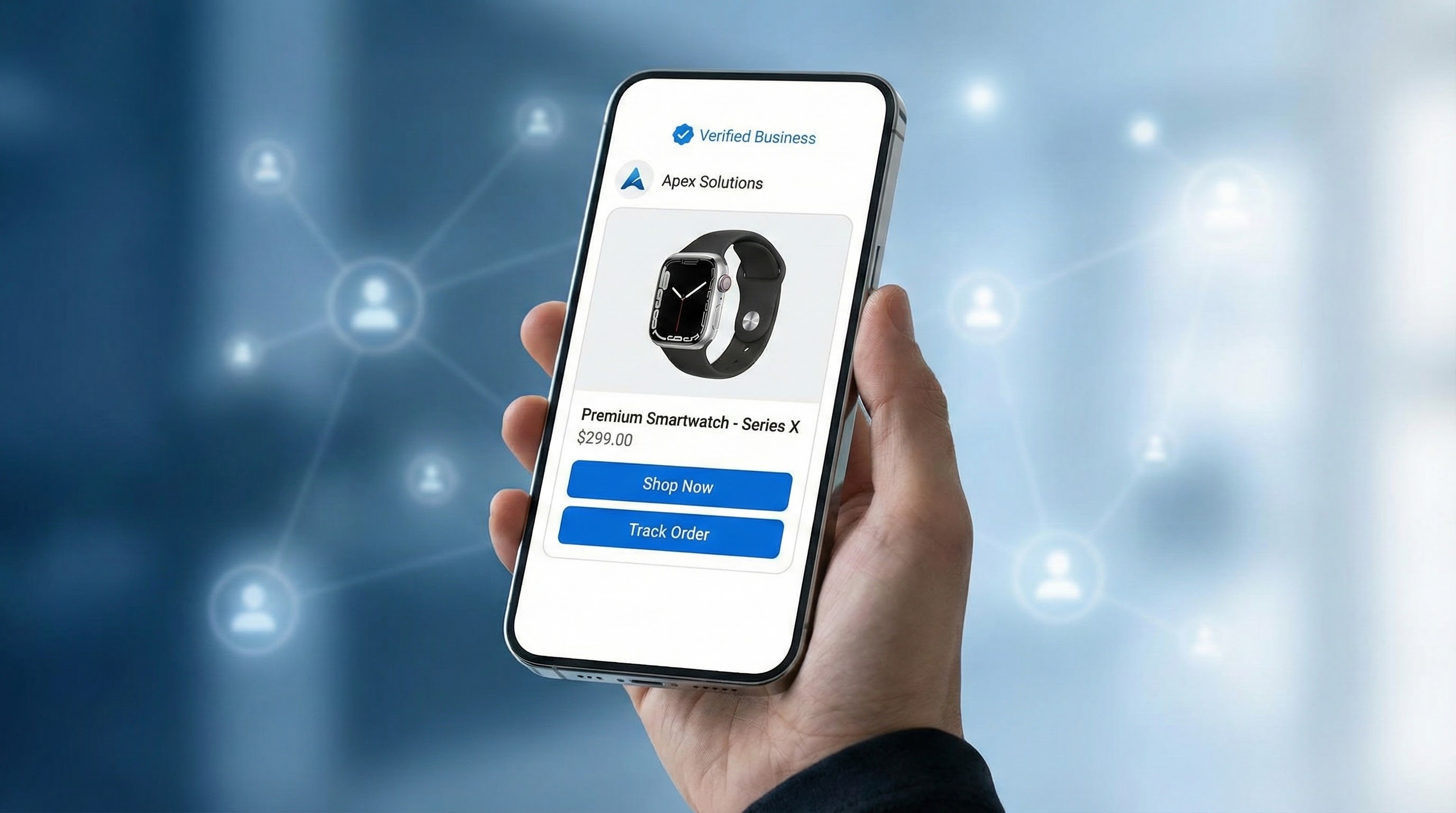
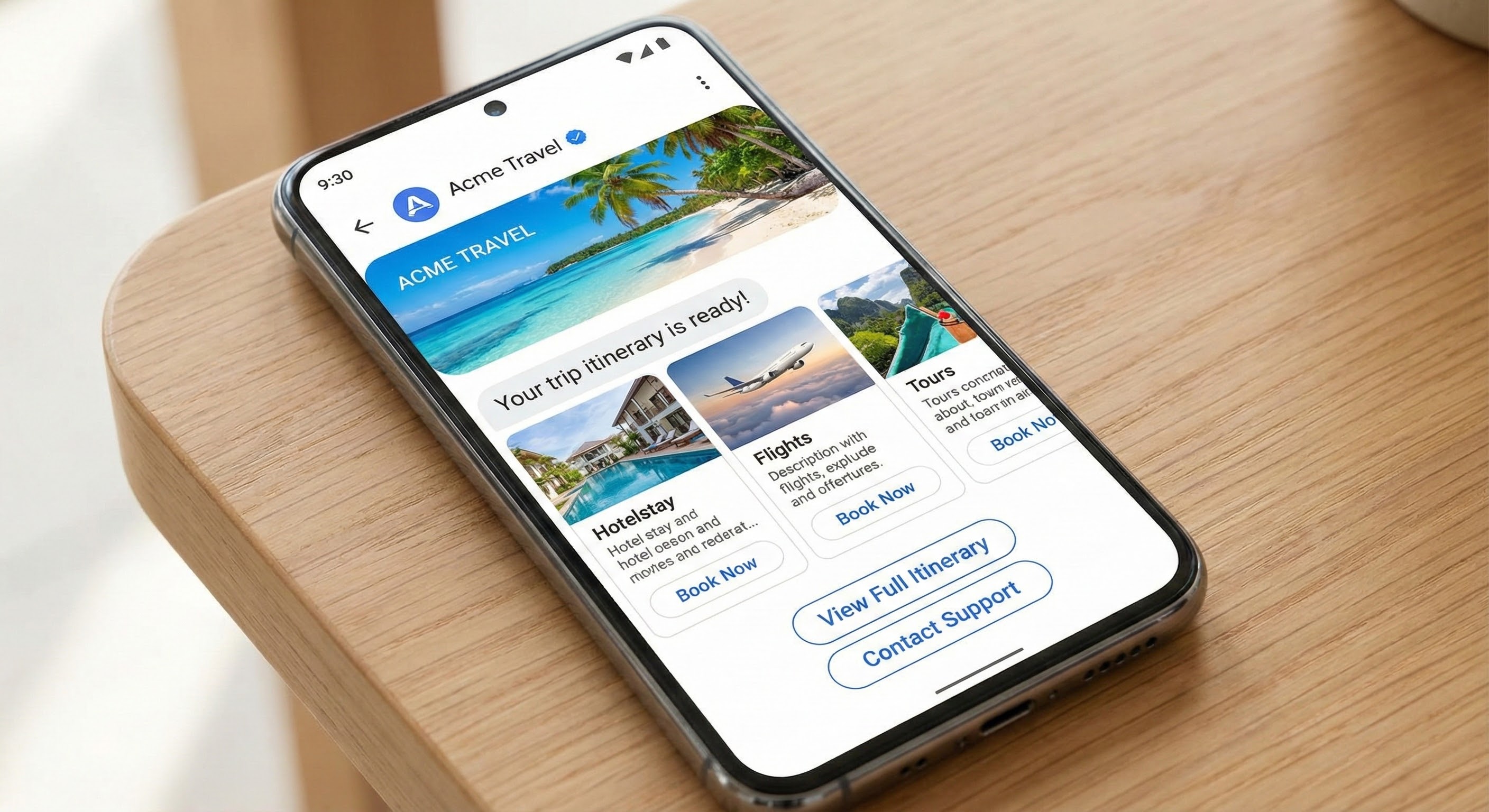
RCS Messaging stands for “Rich Communication Services”, and it upgrades traditional SMS infrastructure. Messages support images, buttons, and branding elements, while delivery occurs inside native messaging inboxes. No separate application is required, and this approach feels formal and structured to users. Brands appear clearly verified, which adds authority to communication. RCS Messaging bridges the gap between SMS and app-based experiences.
How RCS works through mobile networks?
RCS Messaging operates through telecom networks, and messages travel using operator infrastructure rather than third-party apps. Delivery does not rely on separate installations, and supported devices display rich message layouts directly. Interaction happens within default messaging apps, while network support determines availability. Android devices support RCS widely, and this dependency shapes reach and performance. Telecom integration defines reliability for RCS campaigns.
The role of Google and telecom operators in India
Google leads RCS protocol development globally, and Google Messages acts as the primary interface for users. Indian telecom operators support network enablement, and operators like Jio and Airtel drive adoption efforts. Branding verification occurs through operating systems, while Google ensures a consistent user experience across devices. Operators ensure delivery reliability, and this collaboration shapes RCS growth in India.
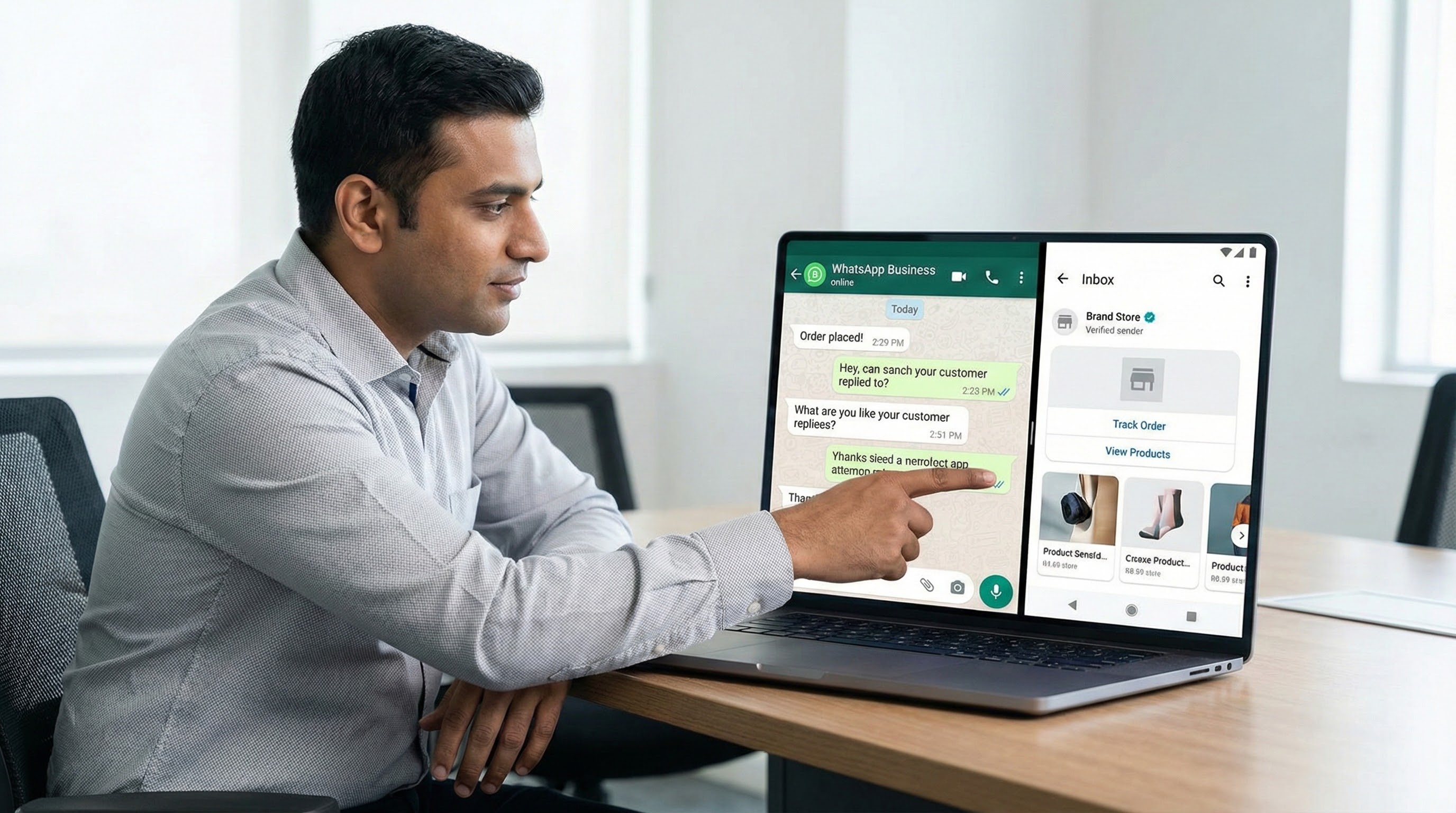
WhatsApp Marketing vs RCS Messaging: Feature Comparison in India?
Changing customer expectations in 2025
Customers expect visual communication today, and text-only messages feel outdated for modern users. People prefer guided interaction flows, and they value clarity over clutter. Trust influences engagement decisions strongly, and messaging experiences must feel secure and professional. Businesses must adapt to these expectations because choosing outdated channels reduces credibility. Modern messaging affects brand perception deeply, and this shift makes comparison essential.
Trust reach and engagement challenges
Trust determines whether messages get opened, while reach defines campaign potential scale. Engagement converts interest into action, and each channel approaches this differently. WhatsApp builds trust through familiarity, while RCS builds trust through verification and branding. Businesses must align goals accordingly, because a mismatch leads to poor outcomes. Understanding these dynamics prevents costly mistakes.
Cost and scalability concerns for businesses
Pricing structures affect long-term strategy, and WhatsApp charges per conversation window. RCS charges per delivered message, and high volumes amplify cost differences quickly. Scalability exposes hidden limitations, and budget planning requires clarity across channels. Choosing strains operational resources, and cost efficiency matters at scale. This makes evaluation critical for growing businesses.
How Does WhatsApp Marketing Work?
Account setup and verification process
Businesses apply through official solution providers, and brand details undergo verification checks. Approval confirms sender authenticity, and accounts gain messaging permissions gradually. Verification protects users from misuse, and setup requires compliance documentation. Once approved, messaging can begin at scale. This process ensures controlled access, and trust remains protected through verification.
Message formats and automation flow
WhatsApp supports text and rich media formats, and images, videos, and documents work seamlessly. Buttons guide user actions clearly, while automation handles replies efficiently. Chatbots manage frequent questions, and human agents intervene when required. Systems integrate with backend tools, and flow design affects customer experience significantly. Automation improves response speed consistently.
Opt-in rules and user consent model
Users must provide explicit consent, and consent ensures respectful communication. Businesses must store opt-in records because messages without consent risk penalties. Compliance protects long-term account health, and trust depends on permission-based messaging. Violations cause account restrictions, and consent defines sustainable WhatsApp Marketing.
Example of a typical WhatsApp customer journey
A user opts in through website forms, and confirmation messages arrive instantly. Order updates follow automatically, while support conversations continue inside the same thread. History remains visible for context, and the journey feels continuous and personal. Customers feel heard and supported, and this illustrates WhatsApp’s effectiveness clearly.
How Does RCS Messaging Work?
Business onboarding and sender verification
Businesses submit brand information first, and verification confirms sender authenticity clearly. Approved brands display logos prominently, while sender names appear consistently. This builds immediate trust, and onboarding requires operator coordination. Approval timelines vary slightly, yet verified branding distinguishes legitimate messages. Trust improves through visible identity.
Message delivery through telecom networks
Messages route through operating systems, and delivery remains stable across supported networks. Internet connectivity is not required, and messages arrive inside default inboxes. Network support determines reach, while delivery confirmations improve reliability tracking. Operators maintain infrastructure quality, and telecom routing defines RCS performance.
Rich media branding and interaction flow
RCS supports carousels, buttons, and images, while branding remains consistent visually. Messages feel polished and official, and users interact without typing responses. Experience resembles app interfaces, and visual hierarchy improves clarity. This flow suits promotional messaging well.
Example of a typical RCS campaign journey
A brand sends product carousel cards, and users swipe through visual options. Buttons lead to quick actions, and no application switching occurs. Engagement remains focused and simple, while branding stays visible throughout interaction. This journey highlights RCS’s strengths clearly.
Key Features of WhatsApp Marketing
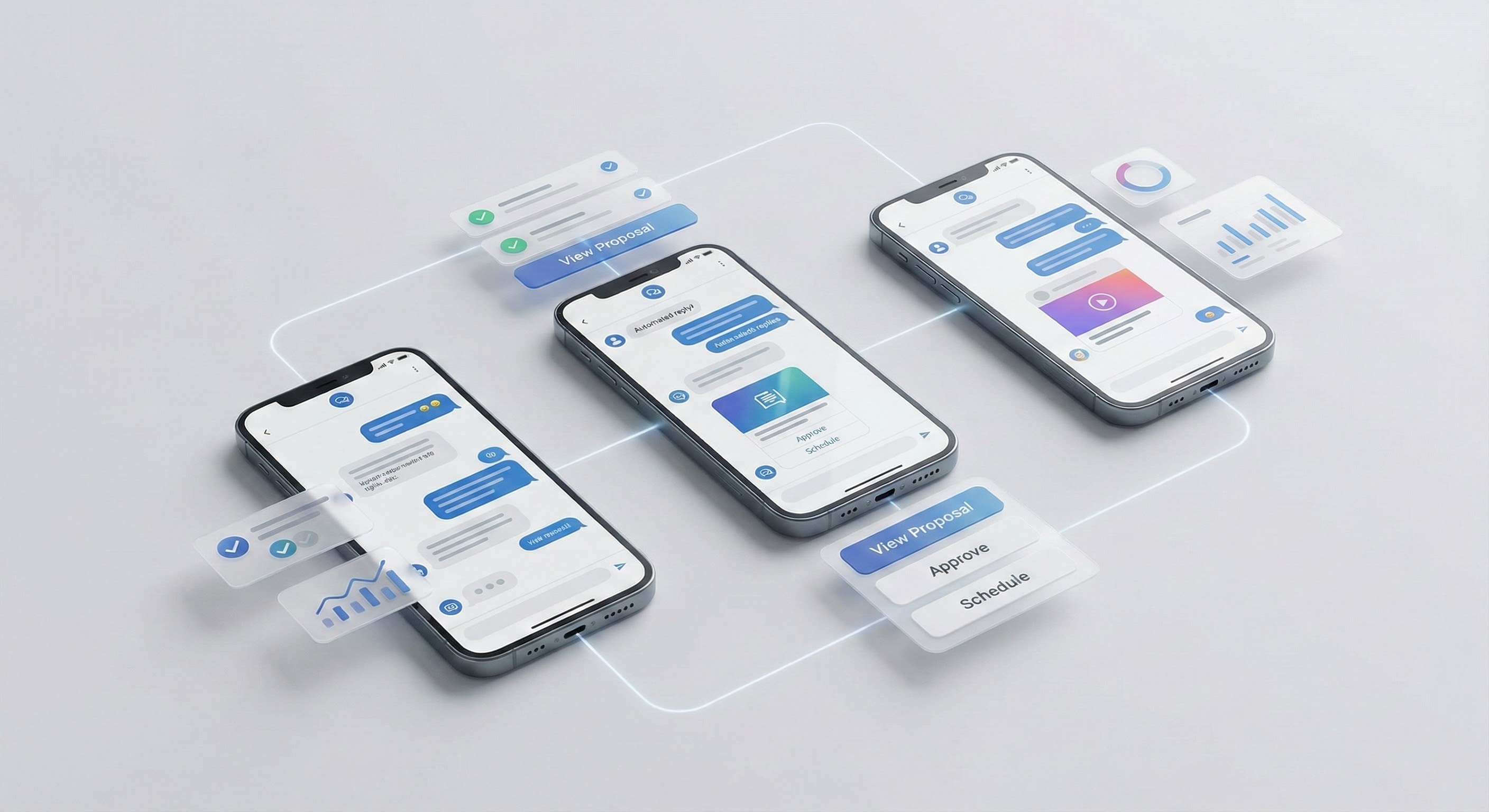
Rich media messaging with high engagement
Media content feels personal inside chats, and images load quickly and clearly. Videos autoplay smoothly, while documents are shared easily with users. Engagement increases through visual familiarity, and messages feel conversational and warm. This drives higher response rates, and rich media enhances message impact consistently.
Two-way conversations and chat automation
Users reply naturally within chat threads, while automation responds instantly to queries. Chatbots handle routine interactions, and humans step in when needed. Conversations feel continuous and contextual, and this supports relationship building. Two-way flow improves satisfaction, and engagement deepens through interaction.
Customer support and CRM integration
Support teams manage conversations centrally, while CRM systems sync customer data. History remains accessible for context, and teams resolve issues faster. Reporting tracks performance metrics, while integration improves operational efficiency. Customer experience improves through continuity, and this makes WhatsApp valuable operationally.
Key Features of RCS Messaging
Verified business branding
Brand logos display prominently, and sender names appear clearly. Verification increases trust instantly, and users recognize legitimate businesses easily. Phishing risk reduces significantly, while branding remains consistent across messages. Authority strengthens through verification, and this feature benefits regulated industries greatly.
Interactive buttons and carousels
Buttons guide users toward actions, and carousels showcase multiple products. Interaction feels structured and intuitive, while users engage without typing text. This reduces friction significantly, and visual guidance improves decision speed. Engagement becomes more predictable, and campaign control increases effectively.
Native inbox delivery without apps
Messages arrive in default inboxes, and no downloads are required. Experience feels lightweight and accessible, while users face minimal barriers. Adoption depends only on device support, and native delivery increases visibility. Simplicity enhances reach, and this defines RCS accessibility.
WhatsApp Marketing vs RCS Messaging — Feature Comparison
Reach and device compatibility in India
WhatsApp reaches nearly all smartphone users, and Android and iOS support WhatsApp fully. RCS primarily supports Android devices, while iPhone support remains limited. Reach differences affect campaign planning, and WhatsApp offers broader coverage today. RCS grows steadily through Android dominance, and device compatibility shapes strategy.
User trust and message visibility
WhatsApp benefits from personal familiarity, and messages appear among trusted contacts. RCS benefits from verified branding, and sender identity builds confidence. Visibility differs between platforms, while trust forms through different mechanisms. Businesses must align messaging tone because trust drives engagement outcomes directly.
Cost structure and pricing control
WhatsApp charges per conversation window, and costs depend on interaction categories. RCS charges per delivered message, while pricing remains predictable per send. Scale influences cost efficiency, and budget planning requires understanding differences. Wrong assumptions cause overspending, and cost models affect scalability decisions.
Data ownership and platform dependency
WhatsApp operates under Meta governance, and policy changes affect operations. RCS depends on telecom operators, while Google influences protocol standards. Dependency risks differ structurally, and businesses must consider control levels. Platform reliance impacts long-term planning, and ownership dynamics matter strategically.
Who Should Use WhatsApp Marketing?
Small and medium businesses
Small teams benefit from conversational tools, and WhatsApp feels manageable and intuitive. Setup requires minimal technical effort, while engagement happens naturally through chats. Customer relationships strengthen through conversation, and budgets remain flexible initially. This suits growing businesses well.
D2C and eCommerce brands
Order updates flow smoothly via WhatsApp, and abandoned cart reminders perform well. Support interactions remain centralized, while customers expect WhatsApp communication. Repeat engagement becomes easier, and sales cycles shorten through instant responses. This channel supports commerce effectively.
Customer support-focused teams
Support agents resolve issues quickly, while conversation history remains visible. Automation reduces response delays, and customer satisfaction improves through clarity. WhatsApp supports long-term interactions, and this suits service-oriented teams. Support quality improves consistently.
Who Should Use RCS Messaging?
Enterprises and large brands
Large brands need structured communication, and RCS supports controlled message formats. Branding remains consistent at scale, while campaign governance improves reliability. Compliance requirements are satisfied, and enterprises benefit from verification. RCS suits formal messaging environments well.
Banks, telecom, and regulated industries
Trust remains critical in regulated sectors, and verified branding reduces fraud risks. Messages appear official and secure, while customers recognize sender legitimacy. Compliance becomes easier to maintain, and RCS aligns with regulatory expectations. This makes it ideal for BFSI communication.
Businesses running large-scale campaigns
Mass campaigns need predictable delivery, and RCS handles scale efficiently. Visual branding remains intact, while user actions follow guided paths. Reporting improves campaign insights, and scale does not reduce clarity. RCS suits volume-driven strategies.
Practical Use Cases in India
Promotional campaigns and product launches
RCS supports visually rich promotions, while product carousels attract attention. WhatsApp supports follow-up engagement, and promotions feel conversational there. Both serve different campaign stages, and choosing depends on the objective. Awareness suits RCS better, while engagement suits WhatsApp better.
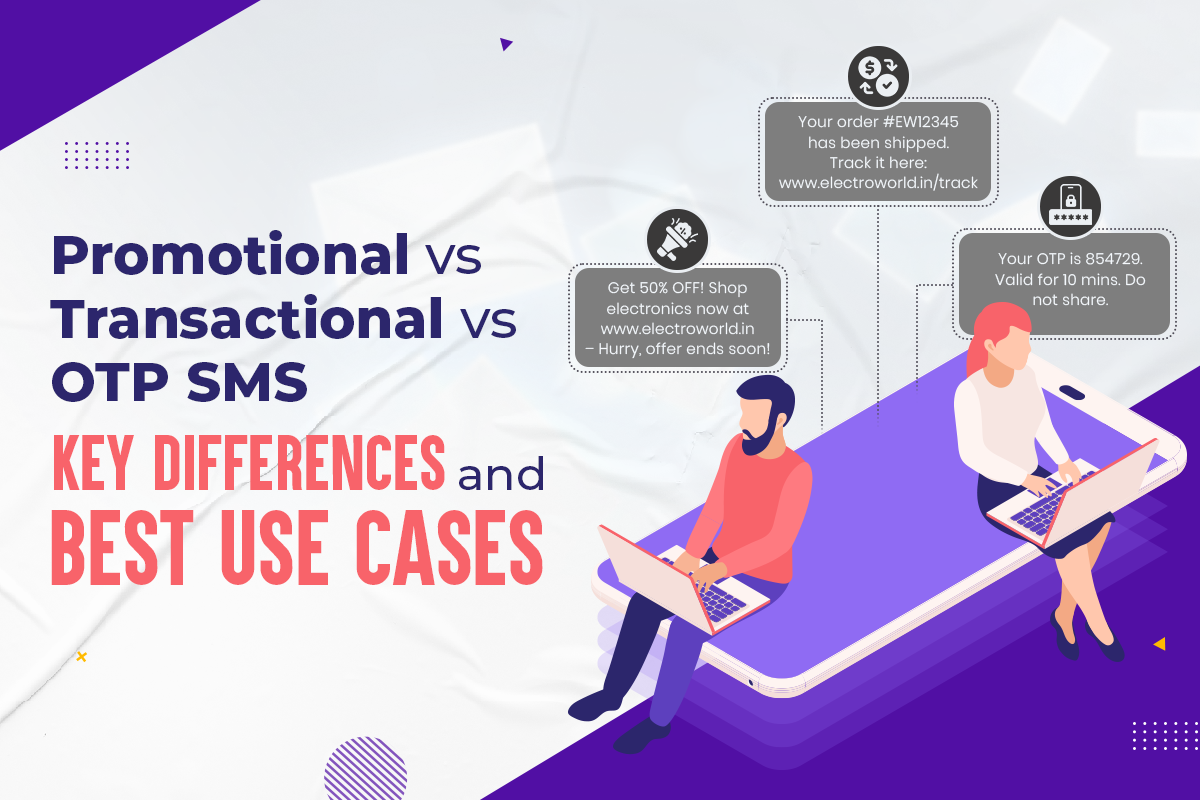
Transactional alerts and notifications
Both channels deliver timely alerts, while RCS feels formal and authoritative. WhatsApp feels personal and reassuring, and the choice depends on brand tone. Critical alerts suit RCS, while order updates suit WhatsApp. Context defines effectiveness clearly.
Customer engagement and retention journeys
WhatsApp supports ongoing relationships, and conversations evolve naturally over time. RCS focuses on discrete interactions, while retention needs conversation continuity. WhatsApp enables this effectively, and engagement deepens through repeated interactions. Retention improves with familiarity.
Real World Examples
Example of WhatsApp Marketing for retail
Retail brands send restock notifications, and customers reply with size queries. Support resolves concerns quickly, while purchase confidence increases through dialogue. Conversations feel personal and timely, and repeat purchases grow steadily. WhatsApp proves effective for retail.
Example of RCS Messaging for BFSI
Banks send account alerts via RCS, and branding confirms sender authenticity. Users trust message legitimacy, while actions occur through guided buttons. Security perception improves significantly, and compliance requirements remain satisfied. RCS fits BFSI communication well.
Example of hybrid usage for large brands
Large brands combine both channels, and RCS handles promotions at scale. WhatsApp handles onboarding and support, while each channel serves specific roles. Customer experience remains seamless, and the hybrid strategy balances strengths. This approach is growing popular in India.
Limitations of WhatsApp Marketing
Platform dependency and policy control
Meta controls WhatsApp policies fully, and pricing rules can change unexpectedly. Template approvals may slow campaigns, while dependency limits flexibility. Businesses must monitor updates constantly because control remains external. This introduces operational risk, and awareness helps mitigate its impact.
Costs at scale
Conversation pricing increases with volume, and large campaigns become expensive. Budget forecasting becomes complex, while engagement windows reset costs. Scale amplifies pricing impact, and cost optimization requires careful planning. WhatsApp suits engagement more than broadcast.
Opt in and template restrictions
Consent requirements limit reach, and template approvals delay launches. Flexibility remains constrained, while compliance overhead increases the workload. Messaging freedom reduces slightly, yet restrictions protect users. Businesses must plan accordingly, and these limits shape campaign design.
Limitations of RCS Messaging
Device and network dependency
RCS availability depends on device support, while network enablement affects reach. Not all users receive RCS messages, and this limits universality. Planning must account for fallback channels, while dependency affects consistency. Awareness prevents misaligned expectations.
Limited iPhone support in India
iPhone adoption remains significant, while RCS support on iOS remains limited. This restricts reach across segments, and brands targeting iOS users face gaps. WhatsApp covers this limitation, while RCS growth depends on future changes. This remains a constraint.
Slower adoption among small businesses
Setup feels technical for small teams, and operator onboarding requires coordination. Knowledge gaps slow adoption, while WhatsApp feels easier initially. RCS suits mature operations better, and small businesses hesitate to adopt. Education may improve adoption gradually.
WhatsApp Marketing vs RCS Messaging — Which Is Better in 2025?
Best choice for reach
WhatsApp Marketing dominates reach in India, and its user base remains unmatched. Cross-device support ensures coverage, while campaigns achieve wider exposure. Reach favours WhatsApp clearly, and this matters for mass engagement goals.
Best choice for branding
RCS Messaging excels in brand presentation, and verified branding builds instant authority. Visual consistency strengthens perception, while formal communication benefits greatly. Branding focus favours RCS strongly, and authority matters in regulated sectors.
Best choice for long-term strategy
No single channel solves everything, and hybrid strategies deliver balance. Context-driven selection improves outcomes, while long-term success requires flexibility. Combining strengths reduces weaknesses, and the strategy should evolve continuously.
Future Outlook of Business Messaging in India
Expected growth of RCS adoption
Android dominance supports RCS expansion, while operator investments continue steadily. Awareness increases among enterprises, and adoption grows gradually. Visual messaging demand supports growth, and the RCS future looks stable.
WhatsApp’s evolving role for businesses
WhatsApp adds automation and AI tools, while conversations become more intelligent. Support workflows improve efficiency, and marketing personalization increases. WhatsApp remains central to engagement strategies, and evolution continues steadily.
Why omnichannel strategies will dominate
Customers interact across contexts, and no single channel fits all moments. Omnichannel strategies adapt dynamically, while businesses gain resilience through diversity. Messaging becomes context sensitive, and omnichannel adoption defines maturity.
Conclusion — Making the Right Choice for Your Business
WhatsApp Marketing builds trust through conversation, while RCS Messaging builds authority through structure. Indian businesses face diverse communication needs, and no single channel dominates every scenario. Strategy must respect context and scale, while thoughtful selection improves outcomes. Messaging shapes brand relationships deeply, and the right choice builds lasting trust.
Disclaimer -
This article is based on publicly available information, platform documentation, and industry analysis as of the time of writing. Features, pricing, availability, and policies of WhatsApp Marketing and RCS Messaging may change over time. Businesses should evaluate platforms based on their specific requirements before making implementation decisions.