

Disclosure: This article reflects hands-on testing and public product documentation. No paid placements or affiliate links influenced recommendations.
- YouTube Shoppable Videos connect your videos to a Google Merchant Center feed so viewers can browse products without leaving YouTube.
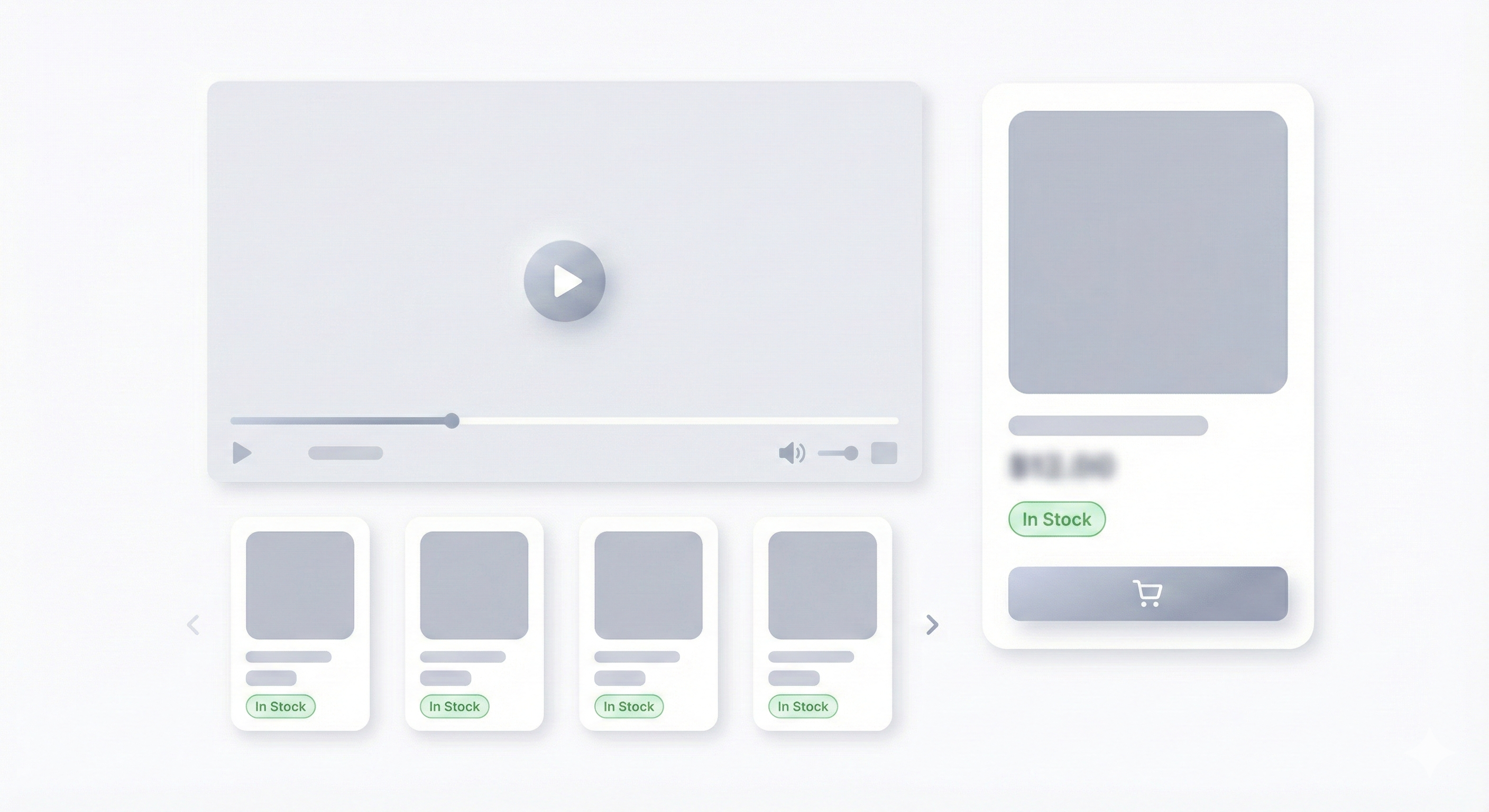
- YouTube may render product cards or a product carousel on YouTube where eligible.
- Accurate product data (title, price, availability, GTIN, image link) and policy compliance reduce disapprovals.
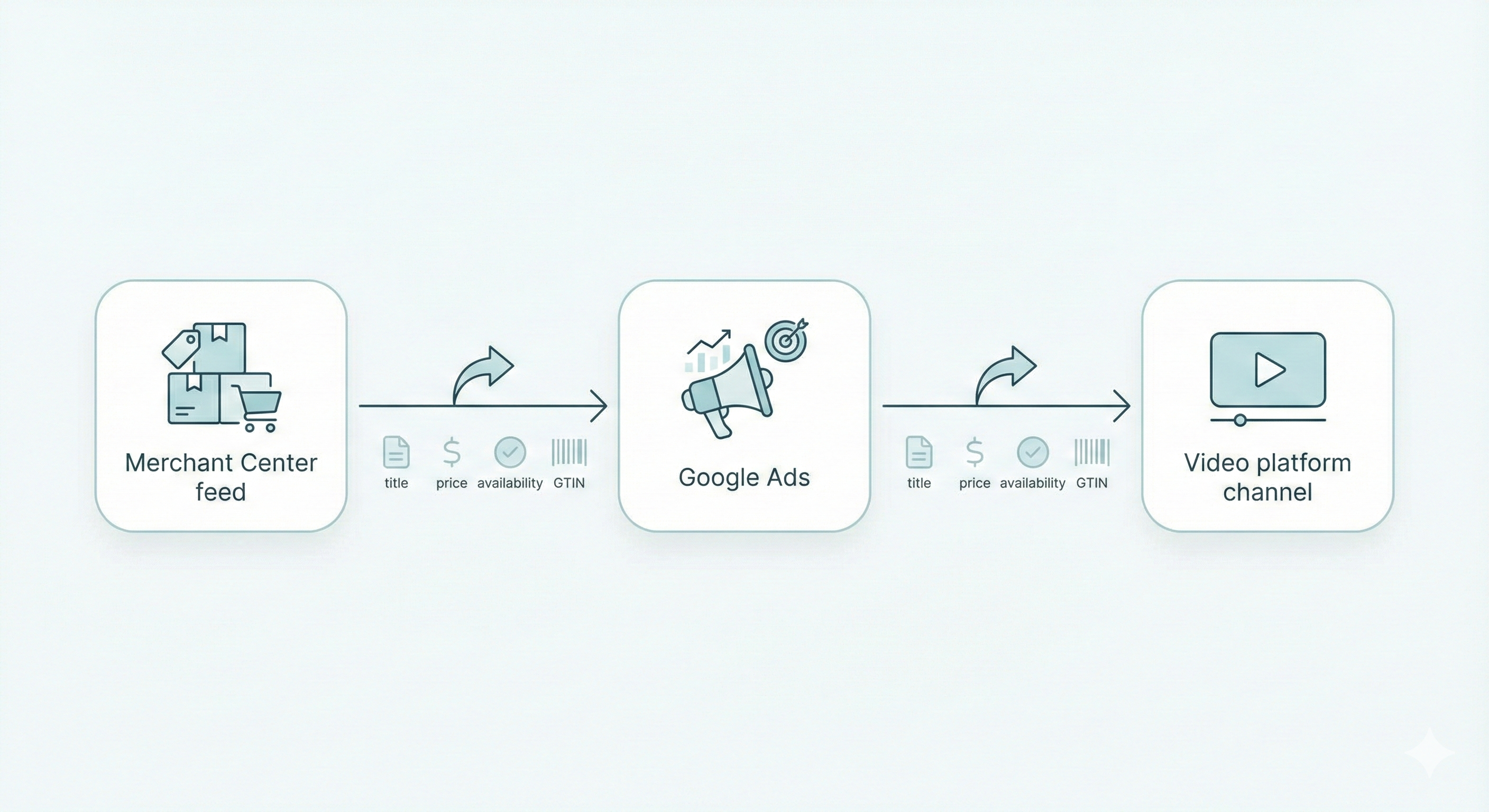
- Link Merchant Center, Google Ads, and your YouTube channel; attach a product set in an eligible campaign (e.g., Demand Gen with product feeds).
- Keep pricing/availability in sync to protect the viewer journey and trust.
What Are YouTube Shoppable Videos?
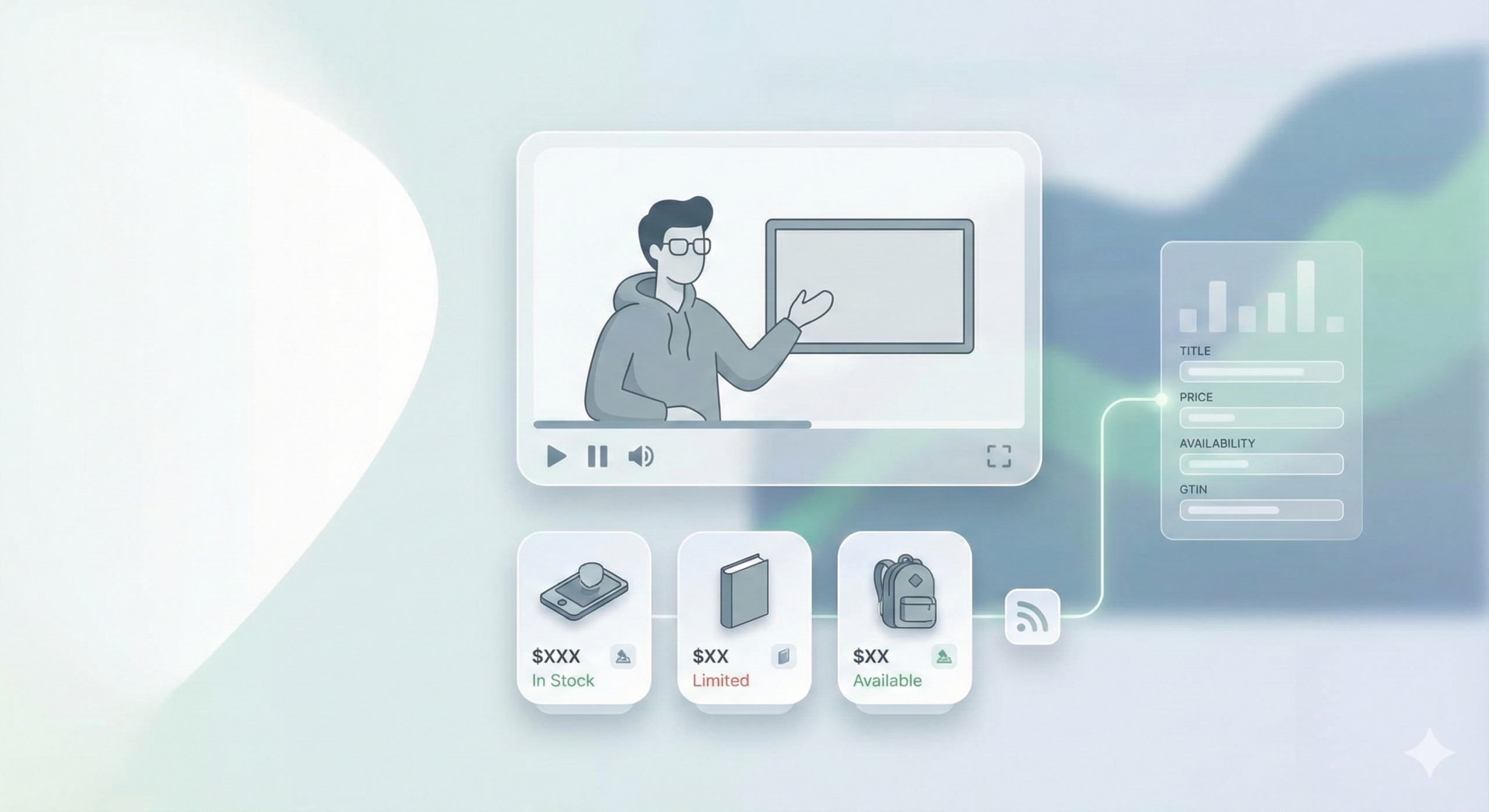
YouTube Shoppable Videos turn watching into buying. They merge content with commerce in real time. Products appear inside or below videos, and they connect directly through Google Merchant Feeds. Each product shows live pricing and stock information. The goal is simple: to let viewers shop without leaving YouTube. It transforms video marketing into an active shopping experience that bridges storytelling and sales.
How the Google Merchant Center Feed Connects
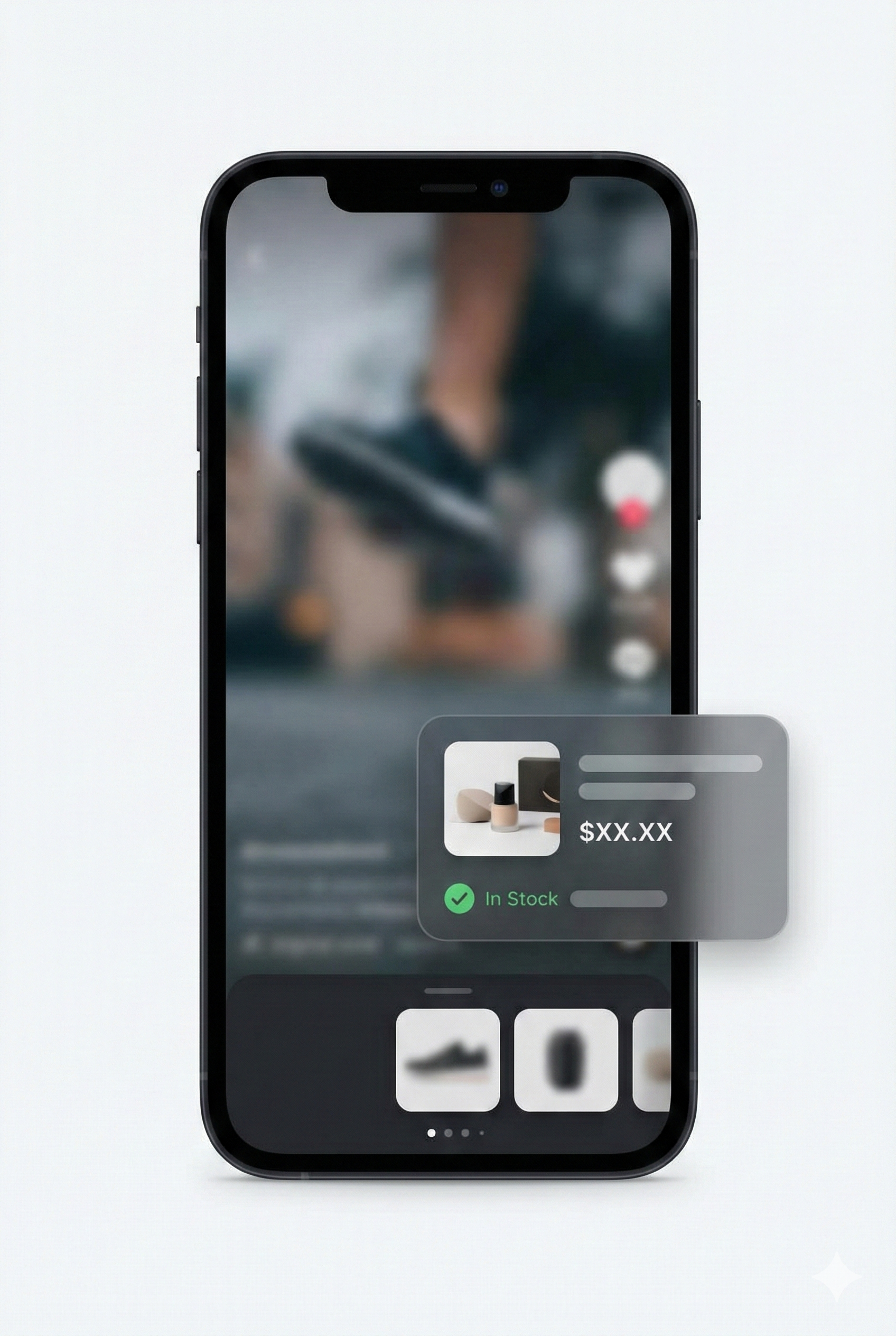
A YouTube Shoppable Video is not just an ad; it transforms a simple clip into a dynamic shopping experience. It is a layer inside video content that displays real products as viewers watch and engage. The feature uses a brand’s Google Merchant Feed to display those products below or within the video, and it synchronizes price and stock information in real time. Each item shows its price, availability, and link to buy through YouTube shopping ads. The experience blends curiosity with commerce, and it creates action where attention already exists in modern video marketing.
Hands-On: Setup & Linking
- Link your Merchant Center to Google Ads and your YouTube channel (YouTube + Google Ads linking).
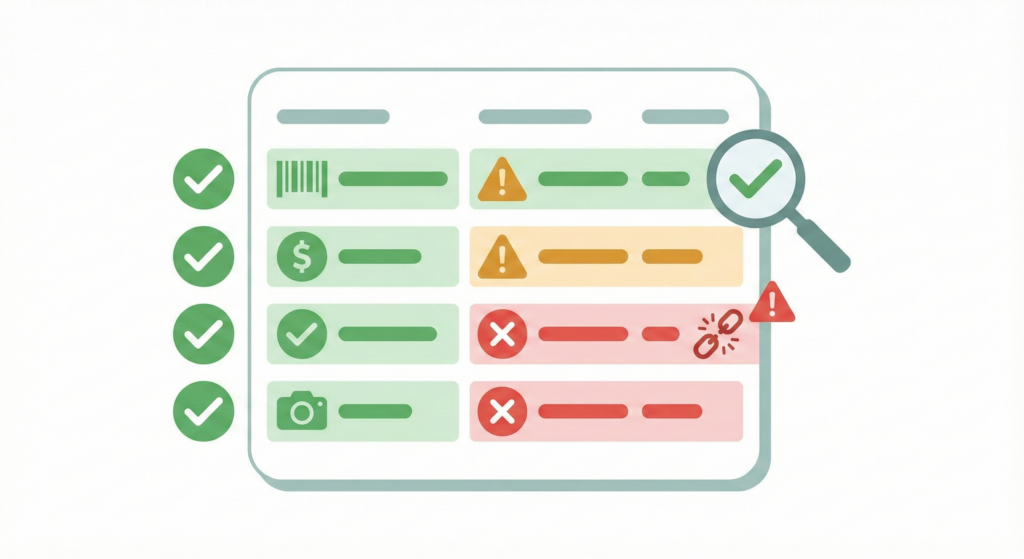
- Audit product data quality: GTIN/brand present, accurate price & availability, compliant images.
- Create an eligible campaign (e.g., Demand Gen with product feeds) and select Merchant Center as the product source.
- Attach a relevant product set (category/brand/custom label).
- Preview product cards and URLs; validate tracking and landing pages.
- Monitor disapprovals (price mismatch, image quality, restricted categories) and resolve quickly.
Pricing & Availability Sync
Align landing page price and availability with your feed to prevent rejections. Automate frequent feed refreshes and QA to catch discrepancies early.
Troubleshooting Common Feed Issues
- Price mismatch between feed and landing page.
- Missing GTIN or incorrect brand values
- Poor-quality or incorrect image link
- Unsupported categories or region restrictions
People now buy where they watch, and they connect emotion with convenience. They discover trends, compare options, and make real decisions through video. YouTube understood this moment, and it turned inspiration into action for both viewers and brands. The new rollout of YouTube Shoppable Videos changes how marketing breathes and grows in the digital world. It links video storytelling with instant commerce, and it removes friction between curiosity and checkout. For viewers, it feels natural and effortless. For brands, it feels powerful and measurable. This blog explores what YouTube Shoppable Videos are, how they connect with Google Merchant Feeds, and how they fuel Demand Gen campaigns with a seamless flow from discovery to purchase across YouTube advertising. (Consider product availability.)
What Makes Them Different From Traditional YouTube Ads?
Traditional ads lead away from YouTube, and they often lose engagement before conversion. They rely on clicks and redirects, and they risk losing interest midway. YouTube Shoppable Videos keep everything together in one interactive space. The user watches, clicks, and shops directly inside the platform. The video becomes a living storefront, and the moment becomes a conversion point that supports both awareness and action.
Why Does This Integration Matter for Marketers and Businesses?
It matters because attention now converts within seconds. Viewers stay where they watch, and they shop where they feel inspired. For marketers, it means shorter funnels and stronger engagement. For businesses, it means measurable growth inside the YouTube ecosystem. The blend of Google Merchant Feeds and Demand Gen campaigns creates a new space where emotion meets performance.
How Does It Transform Consumer Behavior?
Viewers often buy when emotion meets ease, and that instant emotional connection drives conversion. When they watch a product in motion, they feel connected and inspired. When they can click instantly, they act faster and more confidently. YouTube Shoppable Videos shorten the path to purchase, and they make the process effortless. They merge visual storytelling with product discovery, and they build trust through direct interaction.
Why Is It Important for Demand Gen Campaigns?
Demand Gen campaigns aim to create intent before intent exists, and that is what makes YouTube Shoppable Videos valuable. They let advertisers show relevant products to passive viewers who might not yet be searching. A viewer sees a lifestyle clip, a review, or a vlog, and instantly sees related products that match their interest. Google’s intelligent data connects audience signals with Merchant Feeds, and it makes every ad more personalized. The campaign feels less like marketing and more like timing done right within YouTube advertising.
How Do YouTube Shoppable Videos Work With Google Merchant Feeds?
The system links creativity with data precision. Brands upload their catalogue into Google Merchant Center, and YouTube pulls it automatically during campaigns. Product cards appear beside videos, and each click leads to instant checkout. This smooth flow keeps viewers engaged, and it makes e-commerce marketing effortless. It is where YouTube advertising meets real shopping intent.
Step-by-Step Overview of the Integration
First, a business uploads its product data into Google Merchant Center, and it ensures accuracy with titles, prices, and images. The data includes stock, availability, and product links for each listing. Then, that Merchant Feed connects with YouTube or Google Ads, and it allows Google to fetch data automatically. Once linked, it lets YouTube pull product information dynamically. During setup, marketers select the video or ad where products will appear, and Google’s system matches items from the feed and displays them under or beside the video. When the viewer clicks, they see product details and can purchase directly through the connected feed.
How Does the Purchase Flow Function?
The process feels natural and simple, and it creates a smooth user experience. The viewer watches a video, notices a carousel below, and explores products relevant to the content. They tap one, see its details, and reach checkout within seconds. The interaction happens inside YouTube’s ecosystem, and it keeps engagement alive through convenience.
How Is It Connected to Demand Gen Campaigns in Google Ads?
YouTube Shoppable Videos integrate with Demand Gen campaigns, and they combine creative storytelling with automated targeting for e-commerce marketing. The Merchant Feed powers product visuals, and the campaign uses audience insights from Google Ads. Products appear dynamically based on what each user prefers, and that personalization makes a strong impact. It turns YouTube from an awareness platform into a performance engine for online retailers.
Key Features of YouTube Shoppable Videos
- Product Carousel — The video displays multiple products together, and it keeps viewers engaged and curious.
- Real-Time Information — Prices and availability are updated through the Merchant Feed, and it ensures accuracy.
- Seamless Checkout — Users click and reach purchase instantly, and it reduces drop-offs while improving conversions.
- Cross-Surface Visibility — The same feed works across Shorts, Discover, and Gmail, and it delivers consistent branding.
- AI-Driven Targeting — Google’s system shows the right products to the right people, and it improves engagement through precision.
Who Should Use YouTube Shoppable Videos?
E-commerce businesses benefit first, and they can turn storytelling into sales quickly. Influencers with merchandise find it powerful too, and their audience converts faster because trust already exists. Marketing agencies can use it for clients who seek measurable impact, and they can merge creativity with analytics. Small businesses can use it without building separate stores, and they can leverage Merchant Center for instant visibility. If a business already uses a Google Merchant Feed, setup becomes easier and more effective.
Practical Use Cases and Real-World Examples
A fashion brand launches a winter campaign, and the video shows the new jackets in motion. Below, product cards appear from the Merchant Feed, and viewers can click and purchase instantly. A tech reviewer uploads a gadget review, and the related product cards appear during the video. Viewers buy while excitement peaks, and that instant context drives conversion. A lifestyle brand runs a Demand Gen campaign across YouTube, Gmail, and Discover, and the same feed powers every placement. Each ad adjusts to the viewer’s taste, and it creates a personalized shopping flow. These cases show how one feed can power countless experiences in YouTube advertising.
Limitations of YouTube Shoppable Videos
Not every product fits perfectly, and some feeds need manual review. Google policies require correct product data, clear images, and valid links for approval. Businesses must ensure accuracy to avoid rejection, and they must maintain quality across visuals. The system depends on good storytelling, and poor video quality lowers performance. The feature enhances creativity, but it does not replace it. Success still needs clarity, consistency, and optimization within video commerce.
The Future of Shoppable Video Marketing
Video and commerce will grow together, and the connection will deepen with AI and automation. In the next few years, AI will predict what each viewer wants, and product displays will adjust automatically. YouTube will merge with augmented reality experiences, and users will see items in real life through their screens. Retailers will connect inventory with YouTube, and customers may choose pickup options nearby. The future of YouTube Shoppable Videos lies in personalization, convenience, and real human engagement.
Conclusion — The New Era of Video Commerce
YouTube Shoppable Videos redefine how marketing works, and they build a bridge between content and commerce. They bring storytelling and sales into one screen, and they use Google Merchant Feeds to merge video creativity with retail precision. For creators, it offers new ways to grow. For brands, it creates shorter journeys from awareness to conversion. For viewers, it makes buying feel natural and simple. The line between entertainment and e-commerce grows thinner, and in that thin line, opportunity lives and evolves.
References
- Google Merchant Center: product data specification & policies.
- YouTube Shopping formats and eligibility.
- Linking Merchant Center, Google Ads, and YouTube.
- Demand Gen campaigns with product feeds.
FAQ
-
Is a Google Merchant Center feed required?
Yes. A Google Merchant Center feed supplies product data (title, price, availability, link, image link, GTIN) used for shopping surfaces.
-
Does this work with YouTube Shorts?
Availability varies by region and eligibility. Where supported, product cards can appear on Shorts.
-
Which campaign types support products with videos?
Eligible campaign types include Demand Gen with product feeds. Ensure accounts are linked and a product set is attached.
-
How do I avoid disapprovals?
Keep feed and landing page data consistent, maintain GTIN/brand, use high‑quality images, and respect policies.











I love how YouTube is merging entertainment with ecommerce. With the ability to display real-time prices and availability, it’s going to make it even easier for consumers to make buying decisions while staying engaged with the content.
It’s great to see how YouTube is integrating more directly with e-commerce. Connecting Google Merchant Center to product videos makes sense, especially for brands looking to bridge the gap between video content and online sales.
Integrating Google Merchant Center into YouTube videos is an exciting step forward in bridging content and commerce. This method seems to improve both the shopping experience and conversion rates—definitely a strategy I’d consider for future campaigns.
I think this is a game-changer for e-commerce businesses looking to leverage video content. With real-time product cards, it feels like the shopping experience is more intuitive and integrated, which should help drive better conversions.