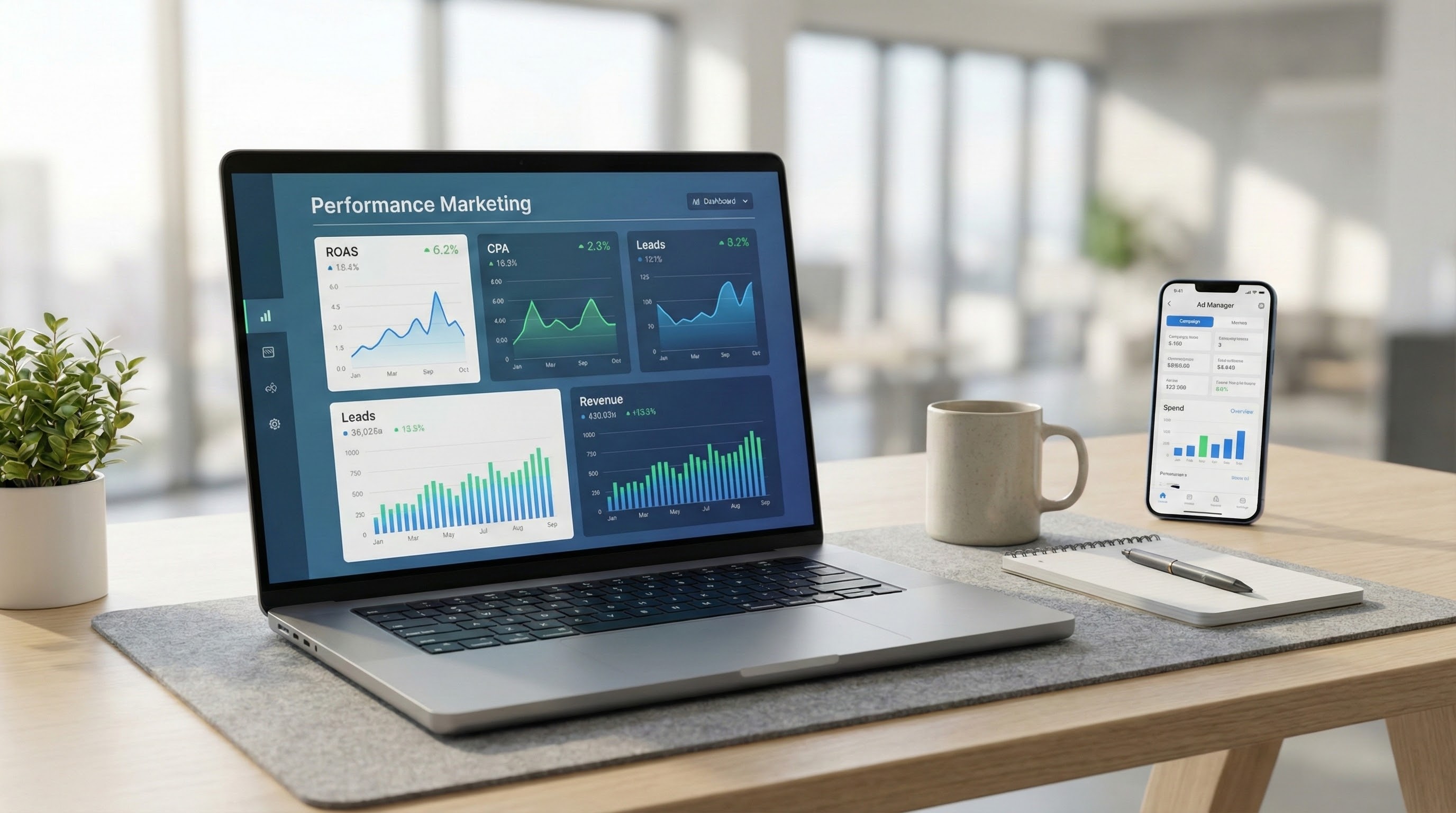
Performance-based advertising (often called performance marketing) is a digital marketing approach where you pay for measurable outcomes—like clicks, leads, sales, or app installs—instead of paying mainly for exposure. In 2026, performance-based strategies are becoming the default because businesses want profitability, clearer attribution, and the ability to scale budgets only where results are proven.
But performance marketing in 2026 isn’t just “run ads and count leads.” It’s an ecosystem: Google Ads + Meta + YouTube + SEO + Content + Landing pages + Tracking + CRM feedback. The brands that win are the ones with strong measurement foundations, clear offer positioning, and creative + CRO improvements running continuously.
What Is Performance-Based Advertising?
Performance-based advertising is a model where campaigns are optimized and evaluated by actions you can track—such as:
-
- Clicks (traffic)
- Leads (form fills, calls, WhatsApp inquiries)
- Sales / purchases
- App installs
- Qualified engagements (e.g., key page events)
It focuses on measurable ROI rather than “visibility-only” metrics.
Performance advertising vs brand advertising
-
- Brand advertising: awareness, reach, recall, positioning
- Performance advertising: leads, sales, revenue, ROAS, CAC, LTV
Modern reality (2026): the best strategies blend both—brand creates demand, performance captures and converts it.
Why Performance-Based Advertising Matters More in 2026?
Measurement is harder — so good tracking is now a competitive advantage
Privacy changes and cookie uncertainty have made attribution less “automatic.” Google confirms it’s investing in durable approaches including first-party data and AI-powered solutions.
First-party data is now a performance lever
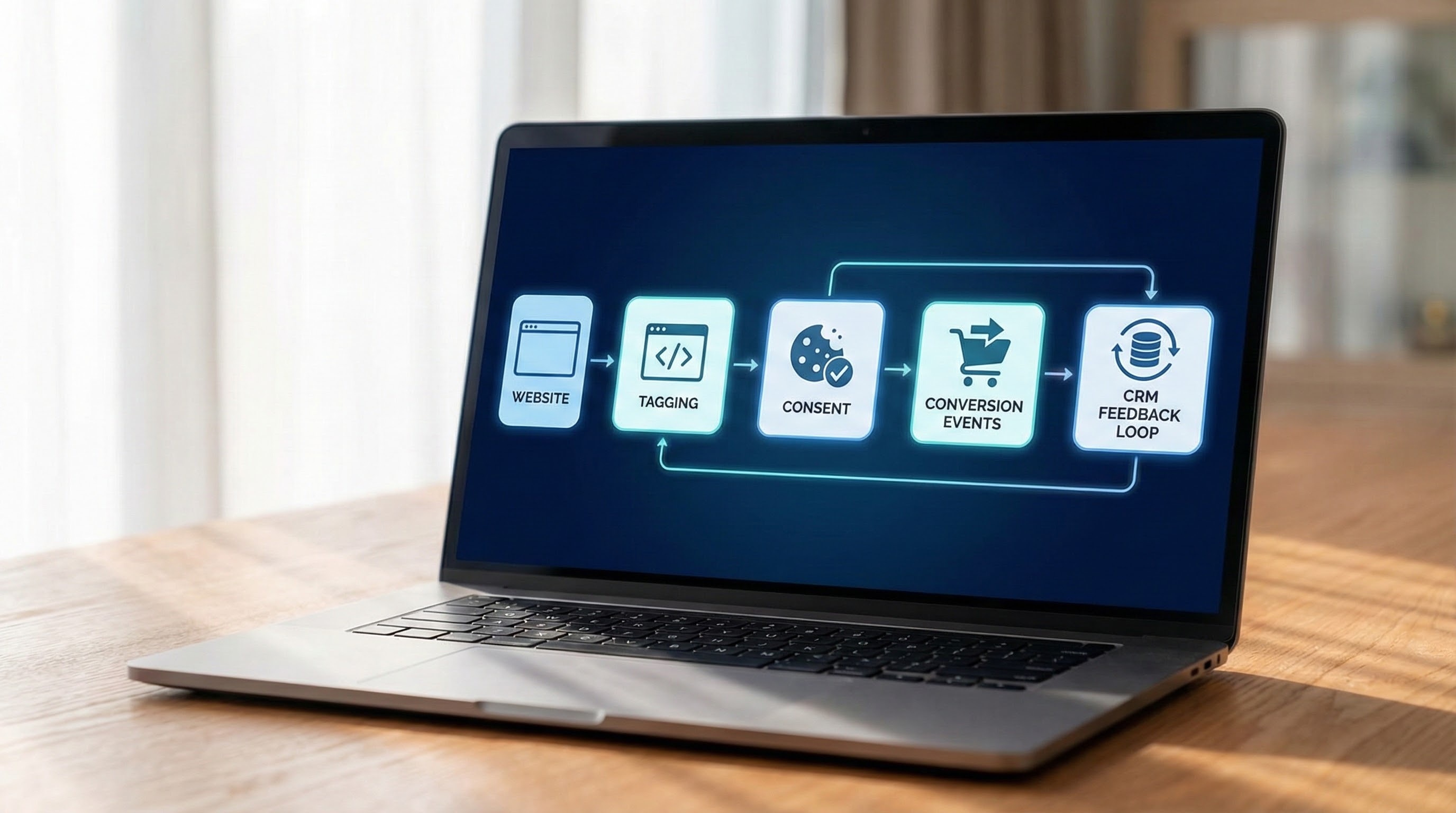
In 2026, your CRM data, website conversion signals, and consented audience lists directly influence bidding efficiency and lead quality. Google’s Enhanced Conversions uses hashed first-party data to improve measurement accuracy.
Consent-driven marketing affects optimization
Google Consent Mode changes tag behavior based on user consent, and uses modeling to fill measurement gaps when cookies aren’t available.
Platform automation is stronger — but only if you feed it quality signals
Performance Max, Advantage+ style automations, and creative optimization work best when conversion signals are clean and lead quality feedback loops exist.
Core Performance-Based Advertising Models (With Use Cases)
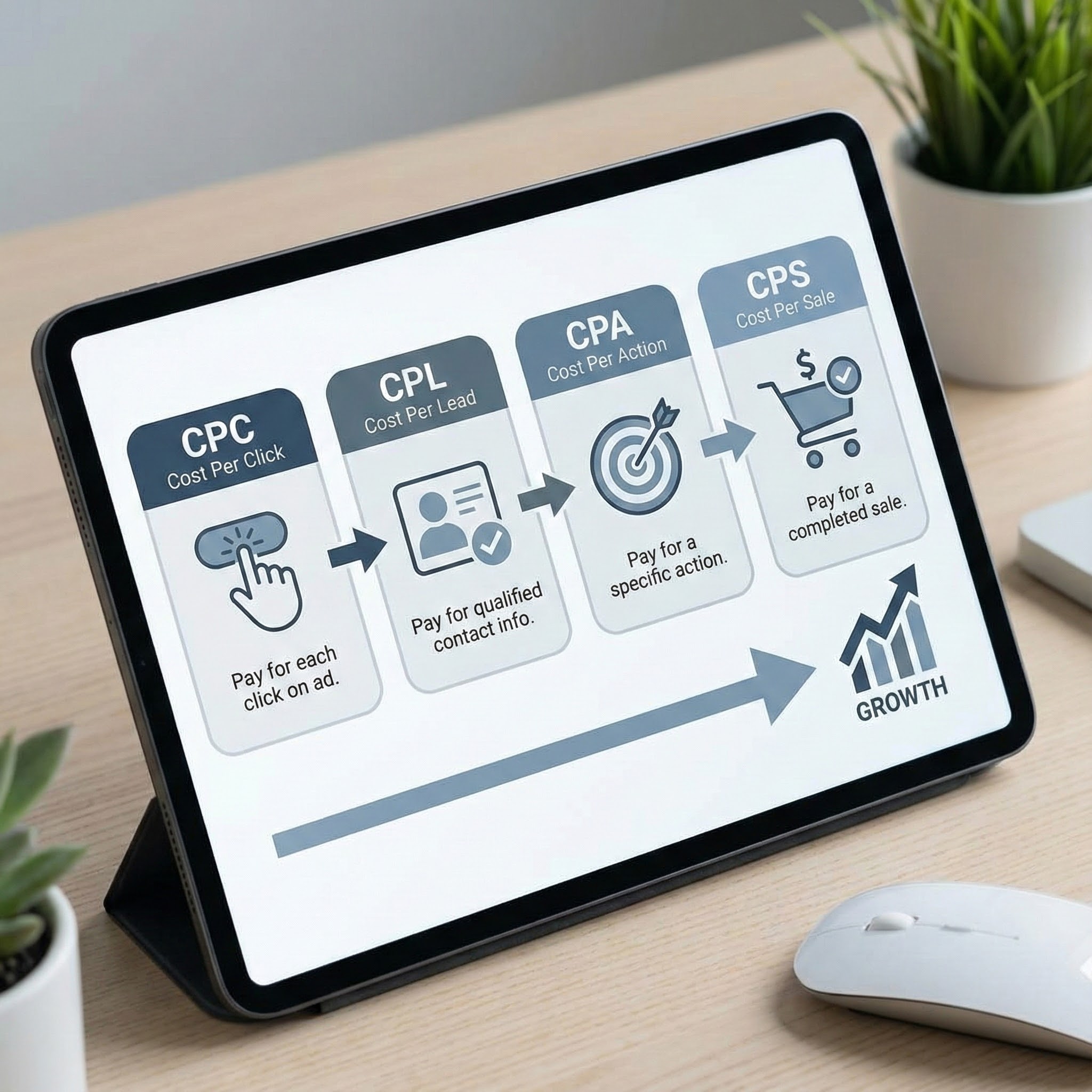
CPC (Cost Per Click)
You pay when someone clicks your ad.
-
- Best for: demand capture, landing page testing, keyword discovery.
CPL (Cost Per Lead)
You pay for lead actions (form submit, call, inquiry).
-
- Best for: B2B, services, education, high-ticket leads.
CPA (Cost Per Acquisition / Action)
You pay when the target conversion happens (sale, subscription, booking).
-
- Best for: ecommerce, SaaS, paid memberships.
CPS / Revenue Share (Cost Per Sale)
Pay per sale, often used in affiliate ecosystems.
-
- Best for: ecommerce brands with strong margins, scalable partner networks.
CPV / CPI (Video view / app install)
Pay per view or per install depending on the platform and objective.
-
- Best for: app growth, YouTube-led funnels, remarketing with video.
The Most Important Performance Channels in 2026 (Digital Marketing Focus)
Google Search Ads (High intent)
Search is still the strongest “ready-to-buy” channel. Performance improves dramatically when you align:
-
- keyword intent
- landing page relevance
- conversion tracking quality
PPC Landing Page Funnels (Where ROAS is actually made)
Most campaigns fail because landing pages are weak. CRO is not optional in 2026.
2026 CRO basics that move numbers
-
- 1 offer, 1 CTA per page
- social proof near CTA
- fast loading + mobile-first UI
- short forms + frictionless follow-up
Social Media Performance Ads (Meta)
Great for:
-
- prospecting via interest/behavior + creative angles
- retargeting site visitors and engagers
Meta measurement is shaped by privacy-era frameworks like Aggregated Event Measurement and attribution settings.
YouTube Performance Funnels
In 2026, YouTube is less “awareness only” and more “assist + convert” when paired with:
-
- remarketing sequences
- lead magnets
- conversion tracking + landing pages
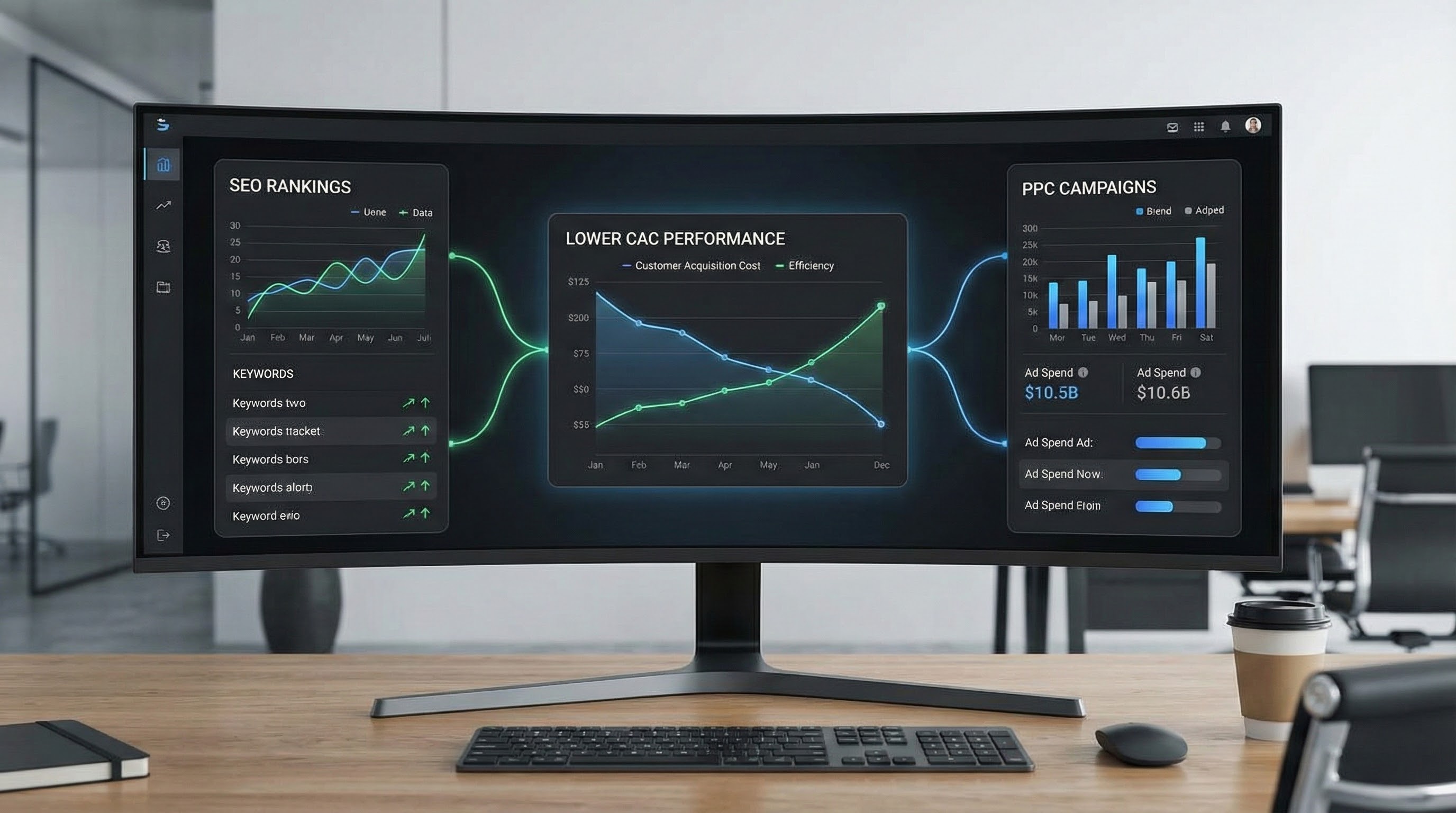
SEO + Content (Performance “compounding” engine)
Paid ads stop when you stop spending. SEO and content reduce CAC over time and improve paid conversion rate (users trust brands they recognize).
Benefits of Performance-Based Advertising (When Done Right)
You only scale what works
-
- Budgets flow toward profitable ad sets, audiences, keywords, and creatives.
Faster experimentation
-
- Launch → learn → iterate cycles are quicker than traditional campaigns.
Clearer accountability
-
- Performance marketing makes it easier to connect marketing activity to pipeline and revenue.
Common Mistakes That Kill Performance in 2026
-
Mistake 1 — Tracking is incomplete or inaccurate
- If conversions are wrong, the algorithm learns the wrong thing. Use privacy-ready measurement foundations like Consent Mode and Enhanced Conversions where applicable.
-
Mistake 2 — Optimizing for cheap leads, not good leads
- Cheap CPL can destroy your sales team. You need lead quality signals (CRM stages, call outcomes).
-
Mistake 3 — Creative fatigue and copy stagnation
- In 2026, creative iteration is “always-on,” especially on Meta and YouTube.
-
Mistake 4 — No full-funnel strategy
-
- If you only run conversion ads, you’re bidding in the most expensive layer of the market 24/7.
Best Practices for Performance-Based Advertising in 2026
Define success metrics that match business reality
Pick 1–2 primary KPIs:
-
- ROAS (ecommerce)
- CAC / CPA (subscriptions)
- CPL + lead-to-sale rate (services)
- pipeline value (B2B)
Build a measurement stack (2026-ready)
Minimum recommended stack:
-
- GA4 + server-side compatible tagging approach (where feasible)
- Google Ads conversion tracking essentials
- Consent Mode for consent-aware measurement
- Enhanced Conversions (hashed first-party)
- CRM integration to validate lead quality
Use first-party data to improve bidding efficiency
Examples:
-
- customer lists for segmentation
- remarketing audiences (consent-aware)
- offline conversion imports (sales-qualified)
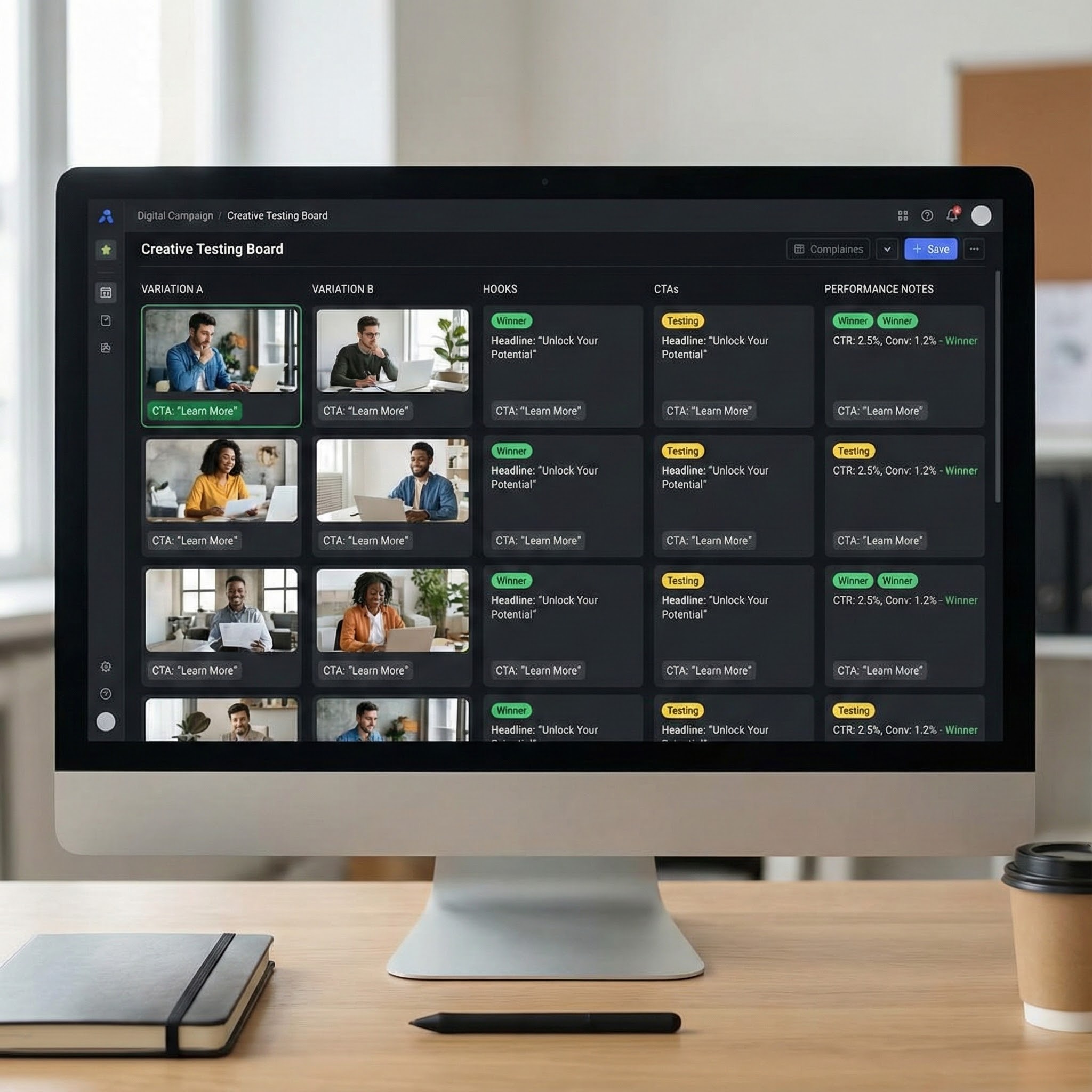
Creatives as a system, not a one-time task
Maintain a creative pipeline:
-
- 3–5 new creatives per week (high-volume accounts)
- angle testing: price, trust, speed, guarantee, comparison, social proof
Landing pages and SEO support paid performance
Performance marketing becomes cheaper when:
-
- your SEO rankings and content improve trust
- your page converts better (CRO)
What’s Coming Next (Future Updates After 2026)?
More “modeled” conversion reporting
As consent and privacy controls expand, platforms will use more aggregated and modeled data. Consent-aware implementation will matter even more.
AI-led campaign types will dominate budgets
Automation will increase, but the winning edge shifts to:
-
- better conversion definitions
- better creative inputs
- better product/offer differentiation
Cookie uncertainty will remain — plan for resiliency
Google has publicly indicated it will maintain user cookie choice rather than a forced removal plan; the ecosystem will keep evolving. Treat first-party data and privacy-safe measurement as non-negotiable.
Incrementality testing becomes mainstream
Brands will rely more on:
-
- holdout tests
- geo experiments
- lift studies
to prove what advertising truly causes.
How Turain Helps You Win With Performance-Based Advertising?
Turain’s approach is performance-first digital marketing, built around measurable outcomes and scalable growth.
- Digital Marketing Agency (Strategy + Execution):
- SEO (Compounding growth + lower CAC):
- Social Media Marketing (Meta performance + remarketing):
- PPC / Google Ads (High-intent lead & sales campaigns):
- YouTube Promotion (Video funnels + retargeting):
- Content Marketing (Lead magnets + SEO + trust assets):
Conclusion
Performance-based advertising is the most practical growth model for 2026 because it ties spend to measurable outcomes. But the real advantage comes from doing the fundamentals better than competitors: conversion tracking, first-party data, strong creatives, CRO-driven landing pages, and SEO support that compounds results over time. With the right full-funnel system, performance marketing becomes predictable, scalable, and profitable.
Disclaimer:
This article is for informational purposes only. Advertising performance, costs, platform features, and measurement methods can change based on platform policies, privacy regulations, user consent behavior, and market competition. Results vary by industry, offer, funnel quality, and tracking setup. Past performance does not guarantee future outcomes.
What is performance-based advertising?
Performance-based advertising is a digital marketing approach where you pay for measurable actions like clicks, leads, sales, or installs—rather than paying mainly for impressions or reach.
What are the main performance advertising models (CPC, CPL, CPA)?
-
- CPC (Cost per Click): pay when someone clicks
- CPL (Cost per Lead): pay when a lead is generated (form/call/inquiry)
- CPA (Cost per Acquisition/Action): pay when a purchase or key conversion happens
Is performance marketing the same as PPC?
Not exactly. PPC is a channel tactic (pay-per-click ads). Performance marketing is a broader strategy that includes PPC, paid social, YouTube, affiliate, landing pages, CRO, and tracking—focused on outcomes.
What KPIs should I track in performance-based advertising?
Common KPIs include CPL, CPA, CAC, ROAS, conversion rate, lead-to-sale rate, revenue, and lifetime value (LTV). The best KPI depends on your business model and funnel.
How do I avoid low-quality leads in performance campaigns?
Use lead quality controls such as:
-
- Better targeting + negative keywords/audience exclusions
- Higher-intent landing pages
- Lead qualification fields (without adding too much friction)
- CRM feedback loop (mark quality, imported/offline conversions)
- Optimizing for qualified events, not just form submits
Why is conversion tracking so important in 2026?
Because privacy changes and platform automation mean ad systems learn from your conversion signals. If tracking is incomplete or wrong, optimization and reporting become unreliable.
What is first-party data and why does it matter for performance marketing?
First-party data is data you collect directly (website events, CRM leads, purchases, email lists). In 2026, it helps improve targeting, measurement, and bidding efficiency—especially when third-party signals are limited.
How should I structure a full-funnel performance strategy?
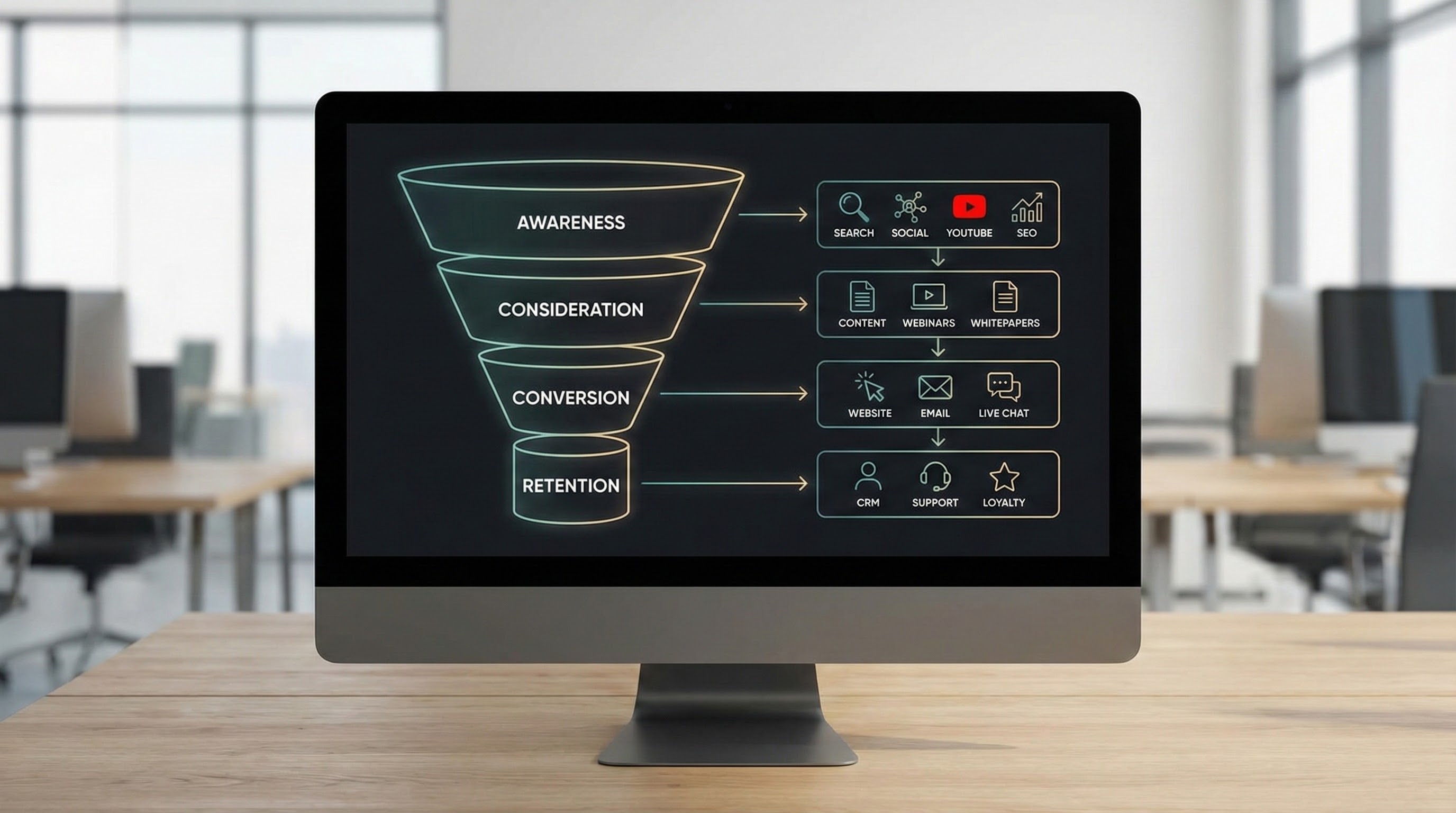
A strong full funnel typically includes:
-
- Awareness (video/social reach)
- Consideration (retargeting, content, proof)
- Conversion (search + high-intent landing pages)
- Retention (upsells, email/WhatsApp, remarketing)
How long does it take to see results from performance-based advertising?
Some campaigns show early results in days, but stable optimization usually needs 2–6 weeks depending on budget, conversion volume, offer strength, and landing page quality.
How can Turain help with performance-based advertising?
Turain can handle end-to-end performance growth: strategy, PPC, social ads, YouTube, SEO, content, landing pages (CRO), tracking setup, and ongoing optimization—so you focus on revenue outcomes, not just ad spend.