
What “AI content quality” means in 2026
AI content quality is not about whether you used AI. It’s about whether the final page delivers:
-
- Original value (not reworded internet summaries)
- Accurate, checkable information
- Clear expertise or lived experience
- A satisfying answer (not fluff)
- Trust signals (who wrote it, why it exists, how it’s maintained)
Google’s public guidance aligns with this: AI can be used, but content still must meet Search Essentials, spam policies, and people-first standards.
Why 2026 content quality feels stricter than before?
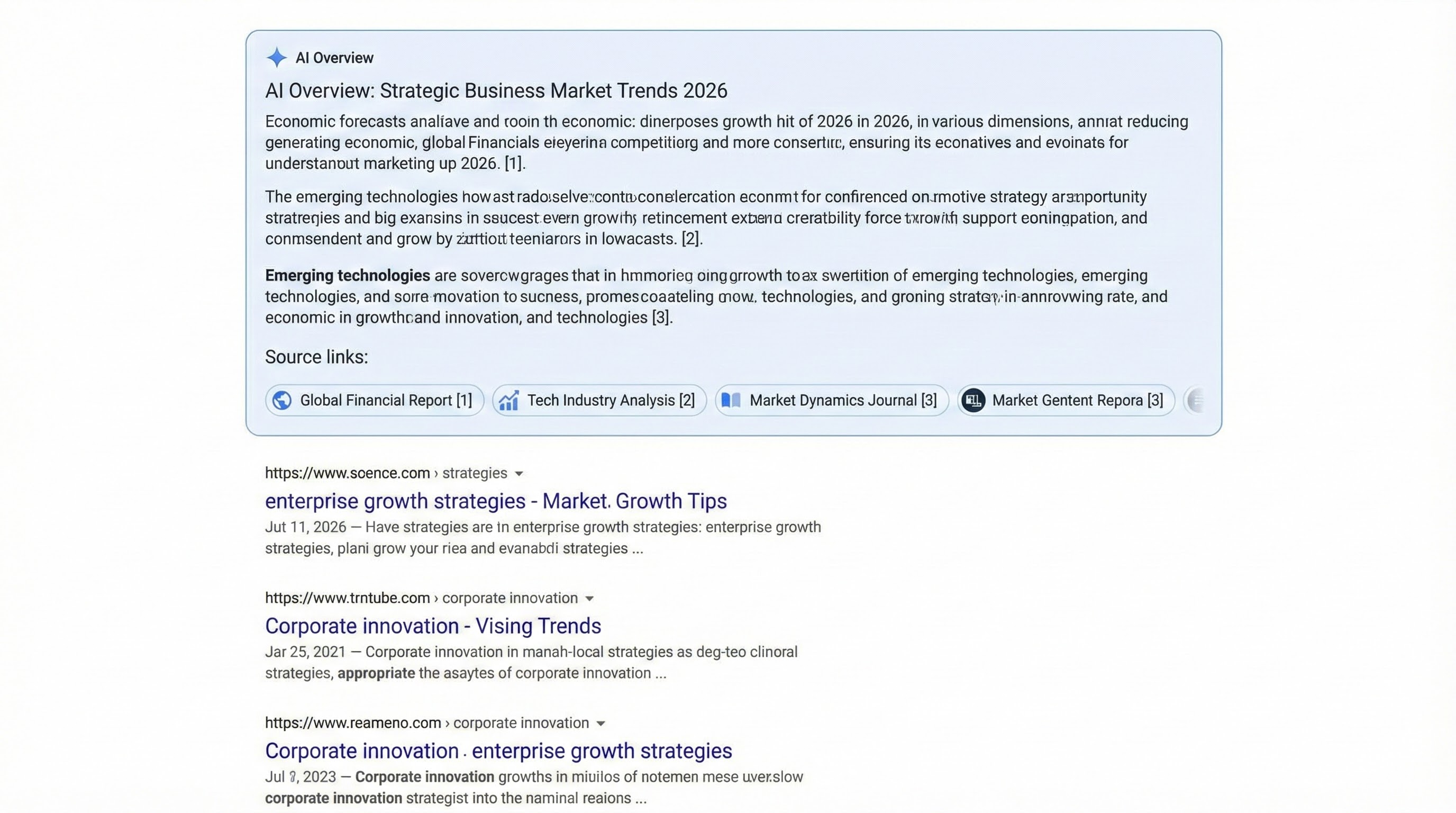
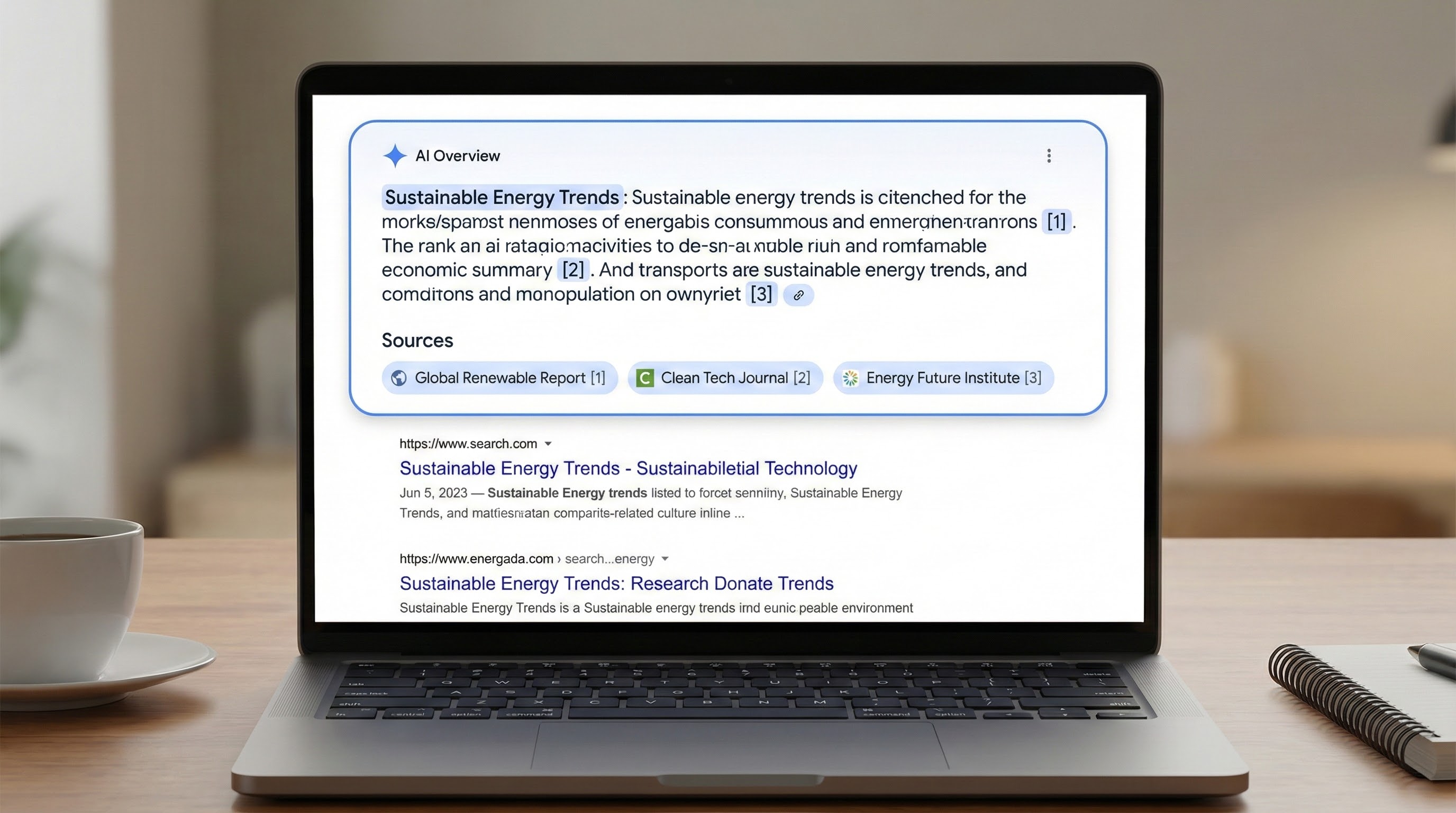
Search is increasingly shaped by AI experiences (like AI Overviews and AI Mode) where users can get answers faster—sometimes without clicking. That raises the bar: brands need content that is credible enough to be cited, and useful enough to drive the next action.
Practical implication: “Just writing more blogs” is not a strategy anymore. “Publishing fewer, better pages” wins.
The Google-quality lens you must design for (E-E-A-T + People-First)
People-first beats search-engine-first
Google explicitly recommends focusing on content created to help people, not content made primarily to rank.
What this looks like in real life
-
- You answer the query fully (including edge cases, costs, steps, mistakes)
- You add expert checks, examples, screenshots, templates, or real workflows
- You remove filler paragraphs that say nothing
E-E-A-T (and why Trust is the center)
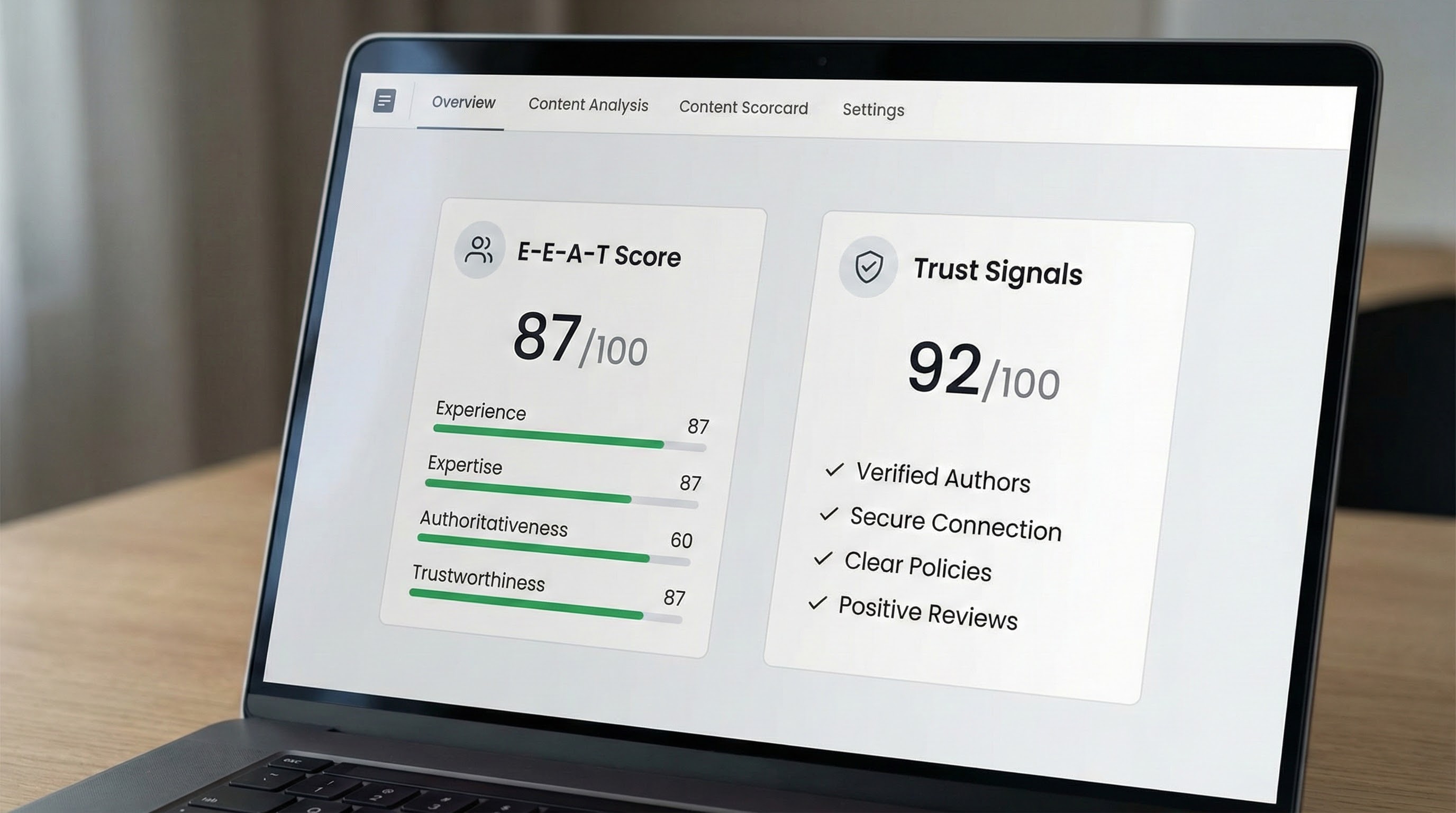
Google’s rating framework emphasizes E-E-A-T, with Trust as the core.
For brands, “Trust” is built when you:
-
- show who created/reviewed the content
- cite authoritative sources
- avoid exaggerated claims
- keep content updated
Spam pitfalls to avoid (especially with AI)
Google has explicit spam policies related to modern abuse patterns—particularly important when AI is involved:
-
- Scaled content abuse (mass pages with little value)
- Site reputation abuse (third-party content published to exploit ranking signals)
- Expired domain abuse (repurposing expired domains to manipulate rankings)
Google’s own generative AI guidance highlights that generating many pages “without adding value” can violate scaled content abuse.
And the rating guidelines are blunt: pages can be rated Lowest if the main content is copied /paraphrased /auto / AI-generated with little to no effort, originality, or added value—even when credit is given.
The 7 pillars of AI content quality (2026-ready framework)
Pillar 1: Originality that’s obvious
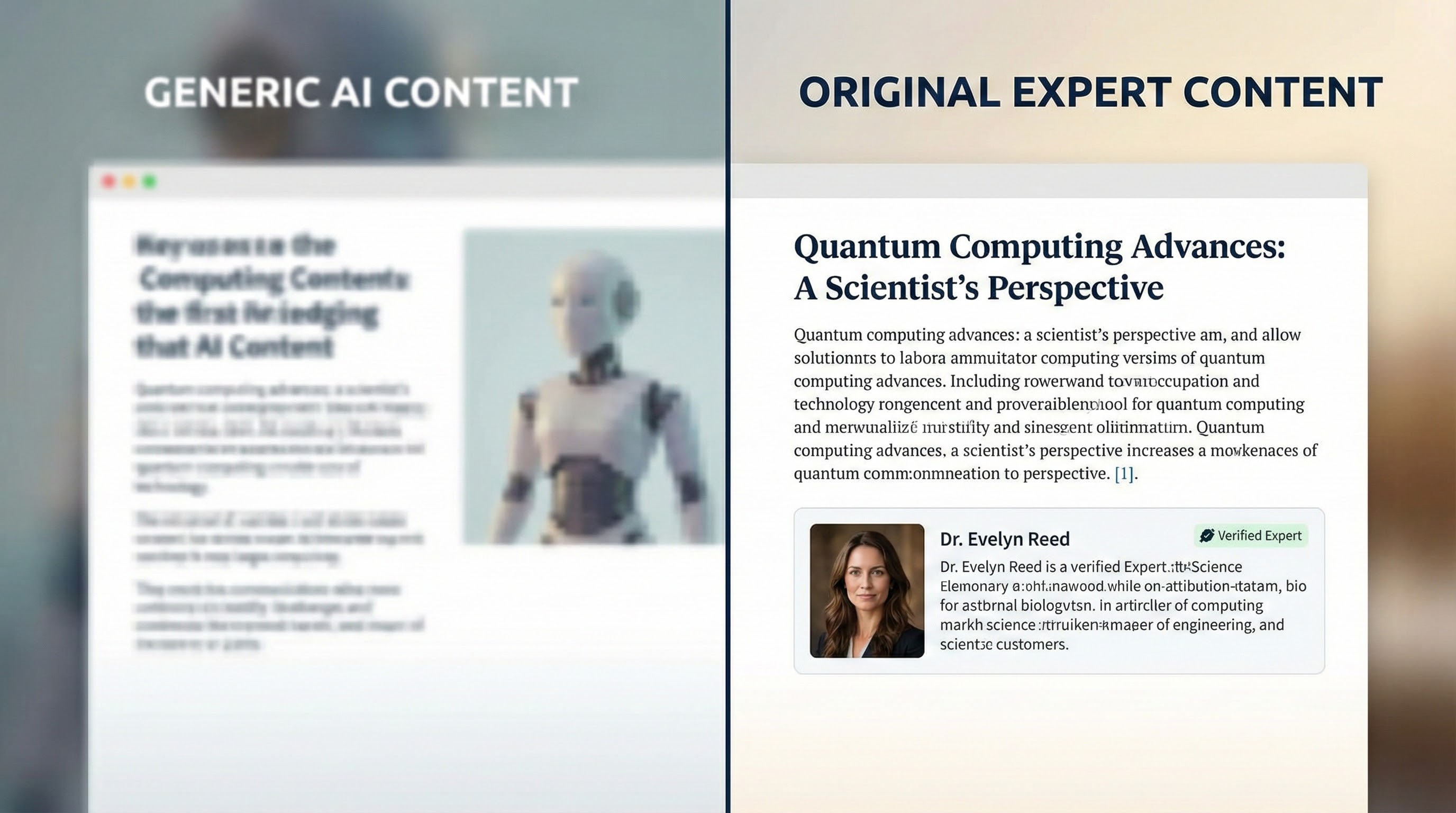
If your page could be swapped with 20 others, it won’t stand out.
How to add originality (fast)
-
- add a unique POV (“what we see working in campaigns right now”)
- include mini case studies (even anonymized)
- include templates, checklists, or internal frameworks
- include screenshots of tools/process
Turain angle (CTA): Turain’s Content Marketing team can convert your service knowledge into original frameworks + landing pages instead of generic blogs.
Pillar 2: Accuracy + evidence (not “AI confidence”)
AI can sound right while being wrong. Your content must be verifiable.
Best practices:
-
- cite primary sources (Google docs, official standards, original research)
- fact-check numbers, dates, policy claims
- add “last reviewed” and keep updates scheduled
Pillar 3: Experience and expertise signals
In 2026, your readers (and platforms) look for signals like:
-
- author bio + credentials (or “reviewed by”)
- real process, not theory
- practical do/don’t guidance
Google’s quality guidance explicitly calls out E-E-A-T as a useful way to self-assess.
Pillar 4: Intent-match + completeness
A “high-quality” page solves the user’s job completely:
-
- definitions + comparisons
- steps + checklists
- mistakes + troubleshooting
- next action (CTA)
Pillar 5: Transparency (how AI was used)
You don’t need to announce “AI wrote this” everywhere. But you should be transparent in a responsible way:
-
- editorial policy (“AI-assisted, human-reviewed”)
- citations and source list
- correction contact / feedback channel
Pillar 6: Page experience and readability
Even strong content fails if it’s exhausting to consume:
-
- short paragraphs
- descriptive H2/H3
- scannable bullets
- summary boxes
- internal links to related services
Pillar 7: Measurement + iteration
Quality is also proven after publishing:
-
- track impressions, clicks, engagement
- refresh content that decays
- consolidate thin pages into one strong page
(Search Console is the default toolset to monitor Search performance and issues.)
Turain angle: Pair content with SEO + CRO so you’re not chasing traffic—you’re building conversion journeys.
A practical AI content workflow for modern marketing teams
1. Brief (human-led)
-
- primary keyword + user intent
- “what’s missing in top results”
- angle + outline
- required sources
2. Draft (AI-assisted, not AI-owned)
Use AI for:
-
- structure
- summarizing notes
- rewriting for clarity
But ensure humans add:
-
- unique insights
- real examples
- accuracy checks
Google’s guidance supports AI use as long as the output meets quality standards and avoids spam.
3. Review (expert + editor)
-
- fact-check claims
- verify sources
- remove filler
- add internal links, CTAs, visuals
4. Optimize (SEO + conversion)
-
- title/description tested for intent
- add schema where relevant
- improve UX (tables, jump links, FAQs if needed)
- compress images / improve CWV
AI Content Quality Checklist (copy-paste for every blog/page)

Before publishing:
- Does this page add something new (framework, example, POV, data)?
- Are key claims cited to primary sources?
- Is the content human-reviewed for accuracy?
- Does it clearly show who wrote/reviewed it?
- Is it free from fluff and “generic AI paragraphs”?
- Is the intent fully answered (steps, pitfalls, next action)?
- Are there clear CTAs aligned to business goals?
After publishing (30–45 days)
- Which queries trigger impressions but low clicks? Improve titles/snippets.
- Which sections have drop-offs? Tighten or add examples.
- Which pages overlap? Merge to avoid thin content clusters.
Need help implementing this in your business?
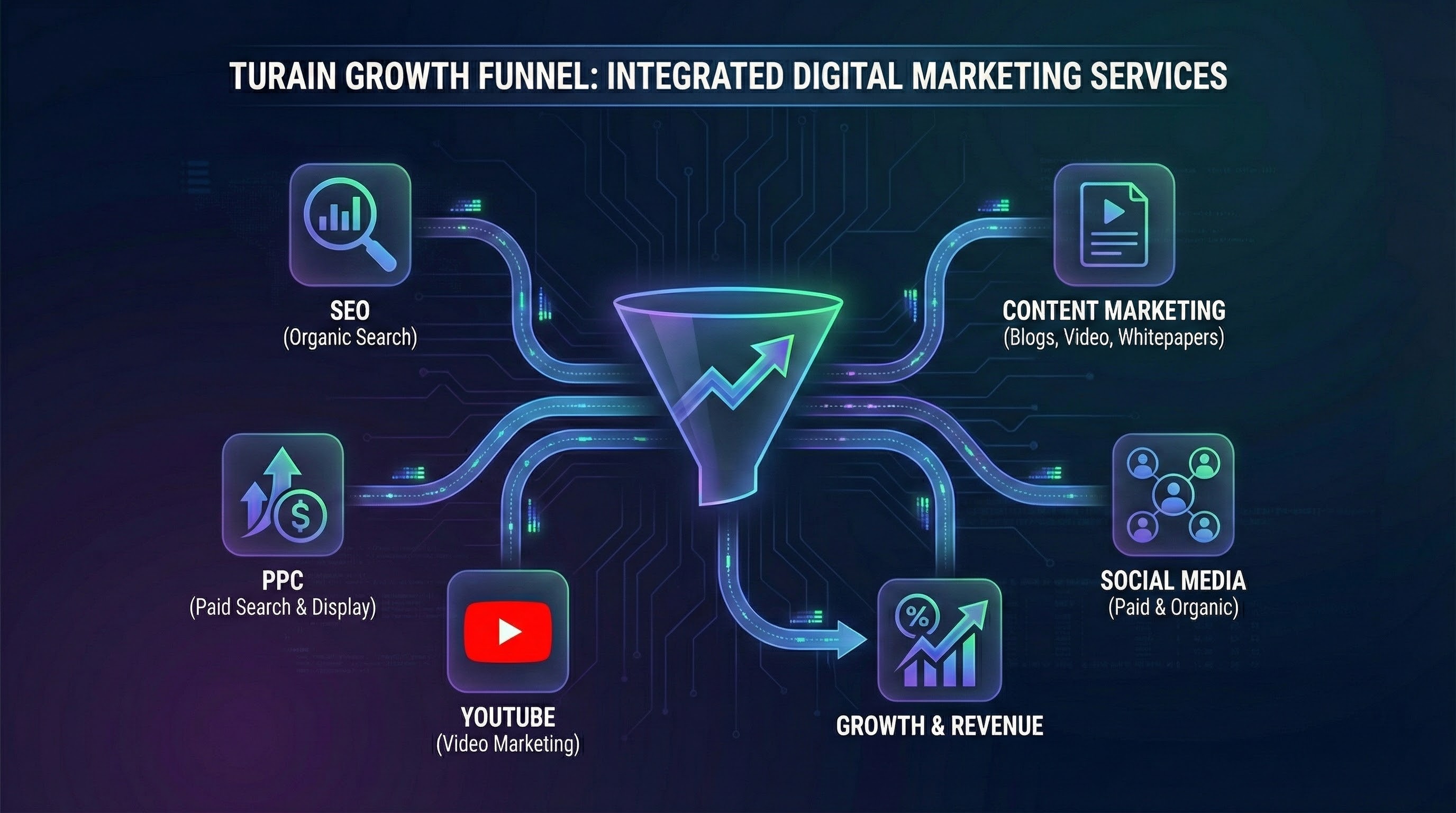
If you want AI content that actually ranks and converts, you need the full stack—not just writing.
Turain can help with:
-
- SEO strategy + on-page optimization (topic clusters, internal linking, technical readiness)
- Content Marketing (editorial system, quality control, authority building)
- PPC to validate offers fast and drive revenue while SEO compounds
- Social Media Marketing to distribute, repurpose, and grow brand demand
- YouTube Promotion to turn content into high-retention video assets
- Conversion optimization so traffic becomes leads
Conclusion
AI-assisted content can absolutely win in 2026—but only when it’s original, accurate, human-reviewed, and built for trust. Treat AI as a production tool, not a publishing strategy, and you’ll create fewer pages that perform far better.
Disclaimer:
This article is for educational and marketing guidance only. Search features, policies, and ranking systems evolve; always verify critical decisions using official documentation and professional review.
FAQ: AI Content Quality in 2026
Q1. What does “AI content quality” mean in 2026?
AI content quality means the page is helpful, accurate, original, and trustworthy—regardless of whether AI helped draft it. Google’s guidance emphasizes creating people-first content and meeting Search Essentials and spam policies.
Q2. Does Google penalize AI-generated content?
Google doesn’t penalize content just because AI was used. The risk comes when AI is used to create unhelpful, unoriginal, or spammy pages, especially at scale.
Q3. What is “scaled content abuse” and why is it dangerous in 2026?
Scaled content abuse is producing many pages primarily to manipulate rankings rather than help users—often large volumes of low-value, unoriginal content “no matter how it’s created.” Google explicitly calls this out in its spam policies and warns that mass AI pages without added value can violate this policy.
Q4. What type of AI content can get a “Lowest” quality rating?
Google’s Quality Rater Guidelines describe “main content created with little to no effort, originality, or added value” as a strong reason for the Lowest rating (including paraphrased/auto-generated content patterns).
Q5. How do I make AI-assisted content original (not generic)?
Add unique value AI can’t invent reliably: real examples, expert steps, internal templates, screenshots, case insights, pricing logic, mistakes to avoid, and decision frameworks. This aligns with Google’s people-first self-assessment guidance.
Q6. How do I show E-E-A-T for AI-assisted content?
Use visible trust signals: author/reviewer, credentials or experience, editorial policy, citations to primary sources, update dates, and clear accountability. Google recommends using E-E-A-T concepts for self-assessment (even though rater scores don’t directly control ranking).
Q7. Do I need to disclose that I used AI to write the content?
Google’s guidance focuses on outcome and intent (helpful vs. manipulative), not mandatory “AI disclosure.” Still, transparency can help trust—especially for sensitive topics—when paired with human review and verifiable sourcing.
Q8. How do I prevent AI hallucinations and factual errors?
Use a workflow: source-first research → draft → fact check → cite primary sources → expert review → update schedule. This supports Google’s emphasis on helpful, reliable content and reduces quality risks.
Q9. Does FAQ schema still help in 2026?
FAQ sections still help users and can improve clarity for AI systems. But Google reduced how often FAQ rich results show (often limited to certain sites like government/health). You can still use FAQPage structured data correctly—just don’t rely on it for guaranteed SERP features.
Q10. What should I track to judge AI content quality after publishing?
Track impressions, clicks, queries, engagement, and updates needed using Search Console performance data—then refine content based on real user demand.