
Festive seasons always bring a sudden wave of customers, but that wave only lasts a short while — and this time, it’s Durga Puja driving it. The rush is already starting to build.
Durga Puja is one of the biggest shopping seasons in West Bengal. In the days before the festival, shopping malls, retail stores, and e-commerce businesses all see a sharp rise in customer traffic. If your business hasn’t planned how to reach these shoppers yet, now is the time to start, because customers move fast during this period, and your marketing needs to keep pace.
An effective Durga Puja marketing strategy helps businesses reach these festive shoppers at the right time, with the right message and through the right channels.
Don’t sit back and hope customers discover your business on their own. Go to them — at the right moment, with the right message, on the right channel. That’s the core idea of this guide: what’s coming, who you should target, and how to reach each group, channel by channel.
At Turain, solving exactly this problem is what we do. We build a complete 360° marketing strategy using SMS, RCS, WhatsApp Business API (WABA), and Digital Marketing, all working together to engage customers, bring more people into your store, and drive sales through the festive window.
When Should You Start Your Durga Puja Campaign?
Customer footfall doesn’t jump all at once before Durga Puja — it climbs gradually, in clear stages, and each stage brings a different kind of shopping behaviour. Knowing this matters if you want to time your campaign well instead of launching it all at once and hoping it lands.
| Festive Stage | What Typically Happens |
| Mahalaya | Festive shopping begins to pick up |
| Panchami & Shashthi | Shoppers prepare for the main celebrations |
| Saptami, Ashtami & Navami | Peak festive shopping and evening outings |
| Dashami | Last-minute purchases and festive offers |
Here’s the practical point: if your campaign only starts once Saptami arrives, you’re already behind. Awareness has to be built before Mahalaya, so your business is already familiar to shoppers by the time the real buying starts.
Which Age Groups Should You Target?
Different shoppers respond to different messages, and the crowd walking through any mall during Puja is far from uniform. Here’s a simple breakdown of how these groups typically differ.
| Age Group | Segment | What Resonates With Them |
| 18–25 years | Trendsetters | Fashion trends, affordable deals, flash sales, influencer campaigns, and Instagram promotions |
| 26–40 years | Family & Lifestyle Shoppers | Festive collections, family shopping offers, personalised recommendations, and exclusive deals |
| 41–55 years | Value & Quality Buyers | Premium products, traditional collections, loyalty rewards, family offers, and convenient shopping experiences |
| 55+ years | Traditional Shoppers | Traditional wear, comfortable shopping experiences, special discounts, and relevant local store offers |
One important clarification: these age groups are suggested marketing segments, not strict shopping rules. Your own customer data should decide your actual targeting, not general assumptions about what a certain age group is expected to want.
Turain’s 360° Festive Marketing Strategy
No single channel can carry the weight of a festive rush this large. Winning it means reaching customers from several directions at once — which is exactly the purpose of a 360° strategy.
1. SMS Marketing
SMS puts festive offers, discount alerts, store locations, new arrivals, and last-minute sale reminders straight in front of customers, instantly. It’s still the quickest and most universally accessible way to deliver a time-sensitive message.
2. RCS Business Messaging
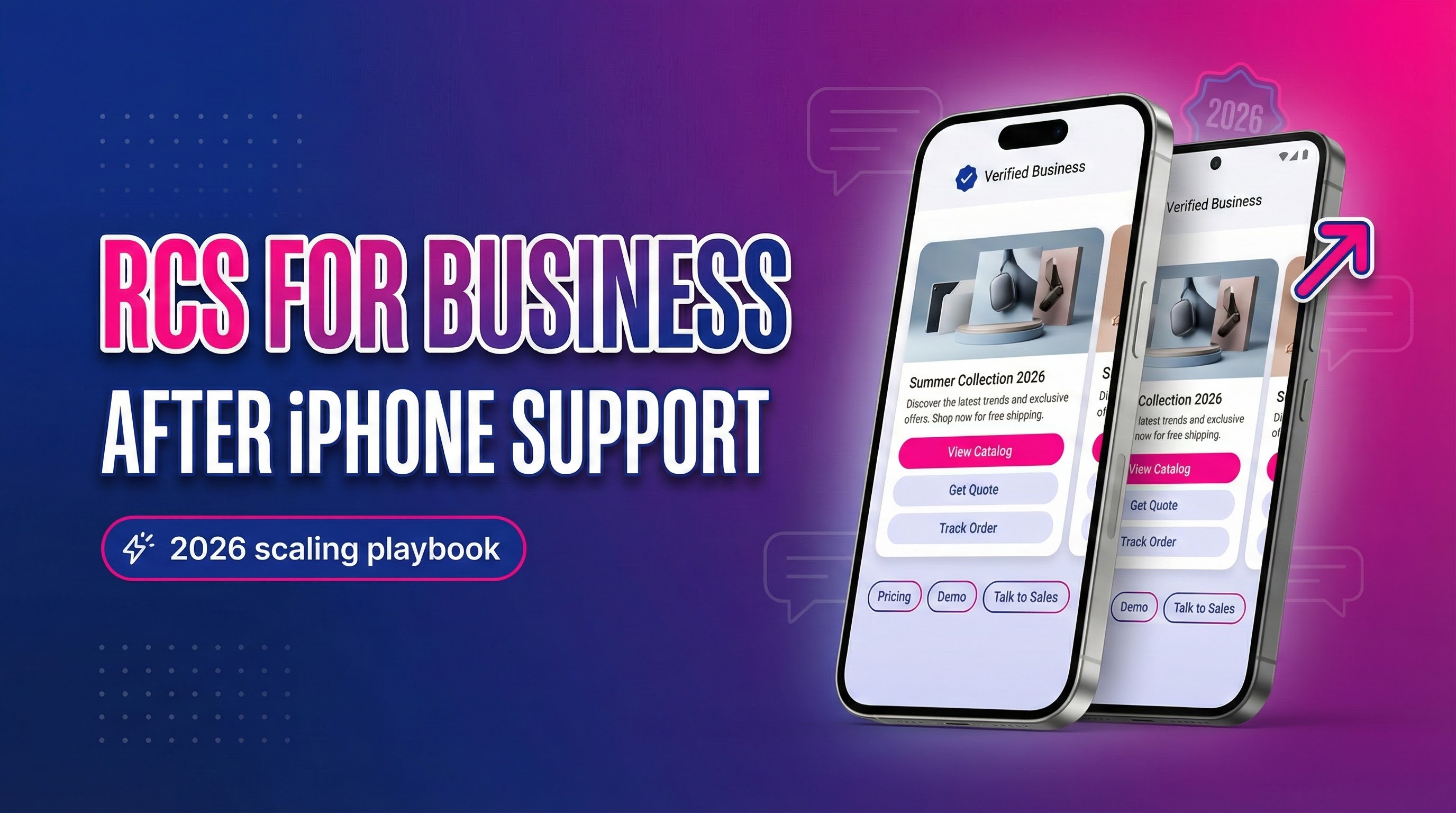
RCS takes your promotions further with rich images, interactive product cards, branded messages, offer buttons, and store directions, on devices that support it. If SMS is about speed, RCS is about visual impact — it turns a plain text alert into something closer to a small storefront.
3. WhatsApp Business API (WABA)
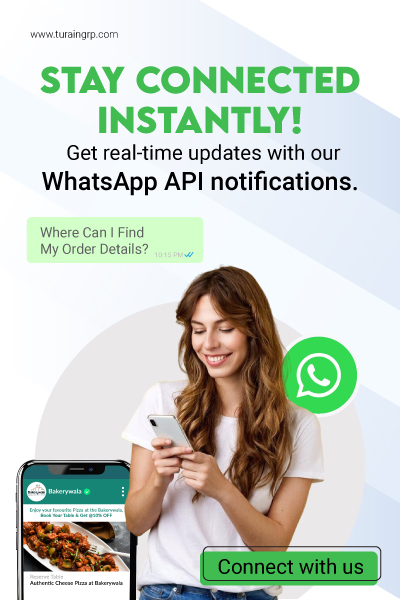
WABA lets you connect with opted-in customers through personalised festive campaigns, product catalogs, automated responses, customer support, and offer notifications. Unlike a one-time blast, this channel is designed for ongoing, two-way conversations.
4. Digital Marketing
Digital Marketing builds your visibility through Google Ads, Meta Ads, social media campaigns, local SEO, retargeting, and festive creative content, drawing in new shoppers and generating leads. It’s how you reach people who don’t know your business yet, and win back those who visited but didn’t buy.
Channel-at-a-Glance: Quick Comparison
| Channel | Strength | Best Use Case |
| SMS | Instant delivery, near-universal reach | Discount alerts and last-minute reminders |
| RCS | Rich, visual, interactive format | Product cards, branded promotions, store directions |
| WABA | Personalised, two-way engagement | Catalogs, support, opted-in festive campaigns |
| Digital Marketing | Broad visibility, precise targeting | Awareness, retargeting, lead generation |
5 Practical Tips to Increase Your Puja Sales
1. Start Your Campaign Early
Launch your promotions before the peak shopping days hit. Building awareness early gets customers thinking about your store ahead of the rush, instead of leaving you to compete for attention once every other campaign has already gone live.
2. Create Limited-Time Offers
Genuine time-limited discounts, festive bundles, and special shopping deals push customers to act sooner rather than later. The word “genuine” is key — an offer that never really expires loses its effect the moment shoppers catch on.
3. Target Customers by Location
Concentrate your efforts on shoppers near your store or mall through location-based digital advertising and permission-based messaging. A festive deal doesn’t mean much to someone shopping three cities away.
4. Combine All Marketing Channels
Let SMS handle timely alerts, RCS carry rich promotions, WABA drive customer engagement, and Digital Marketing extend your reach. Each channel covers ground the others can’t.
5. Measure Your Campaign Results
Keep track of customer responses, offer redemptions, store visits, leads, and sales. This tells you which campaigns are actually delivering results, and which ones just looked active without producing much.
Why This Matters More Than It Sounds
Consider what a missed festive window really costs a business. Durga Puja shopping doesn’t spread evenly across the calendar — it’s squeezed into a short stretch of days when footfall peaks and customers are actively ready to spend. A business that launches its campaign late, or relies on just one channel, isn’t merely losing “a few” customers. It’s losing them during the exact moment they were most willing to buy.
A 360° strategy won’t guarantee sales by itself — nothing does. But it does eliminate one very specific, very preventable failure: customers who were interested, nearby, and ready to shop, yet never heard from your business in time.
Putting It All Together
Why spend your time stressing over customer reach when you could be focused on running your business instead? Turain’s 360° communication and digital marketing solutions handle the planning, execution, and optimisation of your festive campaigns across multiple channels, so SMS, RCS, WABA, and Digital Marketing all push toward the same festive goal instead of operating as separate, disconnected efforts.
Let Turain Handle Your Marketing Strategy!
This Puja, give your business the spotlight it deserves. Reach more customers, boost engagement, drive more store visits, and turn festive opportunities into measurable business growth.
Connect with Turain today and start building your Puja campaign now — SMS, RCS, WABA, and Digital Marketing, brought together into one customised 360° festive marketing strategy, before the shopping rush takes off.
Compliance and Data Privacy Disclaimer
Regulatory & Marketing Communications Notice: This guide is intended for informational and strategic planning purposes only. The implementation of SMS, RCS, and WhatsApp Business API (WABA) campaigns in India must strictly adhere to the Telecom Regulatory Authority of India (TRAI) guidelines, including mandatory Distributed Ledger Technology (DLT) registration for all commercial communication. Furthermore, businesses must ensure all customer data collection and promotional outreach comply with the Digital Personal Data Protection (DPDP) Act, 2023, and Meta’s Business Messaging Policies, which require explicit customer opt-in prior to initiating automated marketing messages.
Frequently Asked Questions
Do I need to use all four channels — SMS, RCS, WABA, and Digital Marketing?
Not all of them at once necessarily, but Turain recommends combining them because each covers a different stage of the customer journey: SMS for time-sensitive alerts, RCS for richer visual promotions, WABA for personalised two-way engagement, and Digital Marketing for reach and lead generation.
Which age group should my campaign focus on?
That depends on what you're selling, but the four broad segments — Trendsetters (18–25), Family & Lifestyle Shoppers (26–40), Value & Quality Buyers (41–55), and Traditional Shoppers (55+) — offer a solid starting point. These are suggested marketing segments rather than fixed rules, so let your own customer data guide the final targeting decisions.
When should I actually start my campaign?
Sooner than you might think. Since shopping activity builds gradually from Mahalaya onward and peaks around Saptami through Navami, your awareness campaigns should ideally launch before Mahalaya, so shoppers already recognise your business once the main buying window arrives.
Is WhatsApp marketing only useful for large brands?
No. WABA is built for personalised campaigns to opted-in customers, so any business with a customer list can use it for catalogs, automated responses, customer support, and offer notifications, as long as the messaging stays consent-based.
How do I know if my campaign is actually working?
Track customer responses, offer redemptions, store visits, leads, and sales. Comparing these numbers across channels shows you which campaigns are generating real results, rather than just creating activity.
Do I need special registration to run SMS and RCS campaigns in India?
Yes. Under TRAI regulations, any business sending commercial SMS or RCS messages must complete Distributed Ledger Technology (DLT) registration. You are required to register your principal business entity, approved sender IDs, and specific message templates with a telecom operator before launching any festive broadcast.
If I am already using the WhatsApp Business API, why would I also need RCS?
While WABA is excellent for interactive, two-way conversations with customers who have explicitly opted in, RCS operates directly through the native Android SMS app. RCS serves as a high-impact, rich-media alternative to standard text messages for reaching broader Android user segments who may not have subscribed to your WhatsApp channel yet.
How can I accurately track offline store footfall generated by these digital campaigns?
You can bridge the online-to-offline measurement gap by deploying channel-specific dynamic discount codes (e.g., 'PUJA-SMS15' versus 'PUJA-WA15'). Additionally, you can embed trackable QR codes in your RCS and WABA messages for in-store scanning, or utilize Google Ads "store visit conversions" to estimate how many users clicked a digital ad and subsequently visited your physical retail location.
Can I upload my entire existing customer phone directory into WABA for a Durga Puja blast?
No. Meta’s Commerce and Business Messaging policies strictly prohibit broadcasting promotional templates to unverified lists. You must have active, clear consent (opt-in) from each customer specifically agreeing to receive marketing messages on WhatsApp. Violating this policy can result in your WhatsApp Business number being temporarily restricted or permanently banned.
Essential Reference Links
- Telecom Regulatory Authority of India (TRAI) – DLT Guidelines: trai.gov.in
- Meta Business Help Center – WhatsApp Opt-In Policies: business.whatsapp.com/policy
- Google Business Communications – RCS Messaging: developers.google.com/business-communications/rcs-business-messaging