Why Don’t Audiences Trust Polished Influencer Ads Anymore?
Ask most people under thirty how they found a favourite kurta brand. Or a new gym supplement. The answer is rarely “an ad.” More often it’s “a small account with maybe 4,000 followers mentioned it in a story.” Or “someone in a group chat swore by it.”
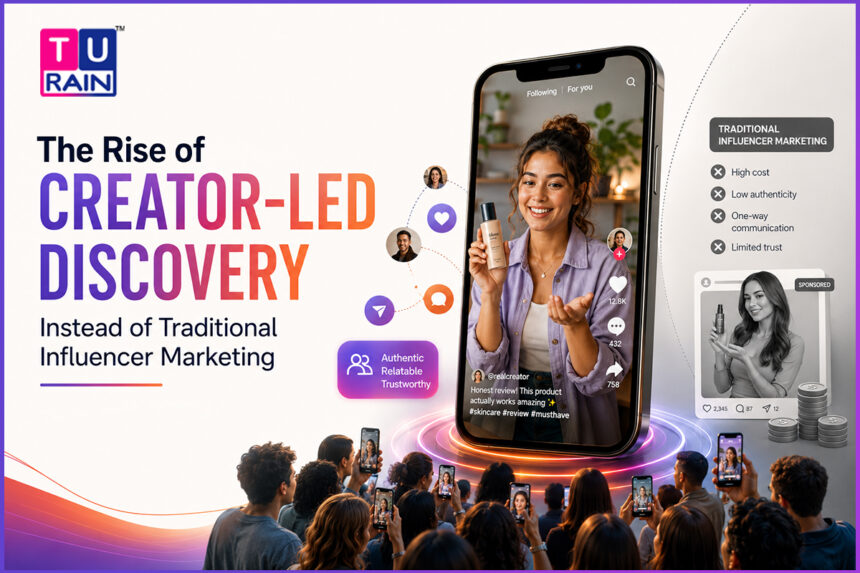
That’s the underlying shift. Discovery has quietly moved away from big glossy influencer campaigns. It’s moved into creator-led marketing, smaller voices, sharper opinions, the kind audiences actually trust more than a polished pitch.
Why Is the Traditional Influencer Campaign Losing Effectiveness?
Traditional influencer marketing has long been a core part of social media marketing, following a simple formula: Find someone with a large following. Pay for a post. Hope it converts. That formula is losing steam. Audiences have gotten skilled at spotting a paid post from a distance, no matter how “authentic” the lighting looks.
What’s replacing it is messier. Smaller. Considerably more effective:
-
- Engaged niches. Forget chasing massive crowds. A few thousand hardcore fans matter significantly more than a million casual scrollers.
-
- Private hype. Real influence happens behind closed doors. Products blow up in WhatsApp chats and Discord servers long before any official ad drops.
-
- Raw footage. Drop the expensive studio gear. The best content looks exactly like a quick video shot by your best friend.
-
- Comment verification. Audiences do not trust videos blindly. They immediately check the replies to make sure the content is actually real.
-
- Long-term loyalty. Single sponsored posts are dying. Brands are finally focusing on deep, ongoing partnerships with creators.
-
- Organic spread. True recommendations travel naturally. A great product simply pops up across Instagram, YouTube, and group chats without a massive marketing push.
Founders frequently notice something odd. A large influencer spend underperforms a tiny creator’s offhand mention. Scale isn’t the same thing as trust. This is essentially how creator-led discovery works in practice. One small, believable mention does more than a hundred impressions from an account with no real connection to the product.
This is also where the real difference between creator marketing and influencer marketing becomes clear. One functions as a media buy dressed up as a recommendation. The other functions as an actual recommendation that happens to be public.
What Does a Real Example of This Shift Look Like?
A home-workout account based in Delhi, roughly six thousand followers, mentioned a resistance band brand mid-video. No hashtag. No “paid partnership” tag. Just genuine praise during a workout. That brand’s inbound messages reportedly went from a trickle to a flood within days.
A comparison is telling. The same brand’s earlier campaign with a much larger fitness influencer, complete with a media kit and rate card, barely moved the needle. Smaller, sharper, more believable outperformed bigger and shinier by a wide margin.
Similar stories keep surfacing across categories. A skincare page with under ten thousand followers driving more direct enquiries than a celebrity endorsement. A regional food creator’s casual mention outselling a national ad slot. The pattern holds because the underlying mechanism is the same everywhere: people trust people who sound like themselves.
How Should a Brand Build a Real Creator Discovery Strategy?
Chasing follower counts rarely produces the desired result anymore. A smart creator strategy does not begin by chasing the biggest names available. It begins by looking closely at your target audience. Here is what actually works:
-
- Track your customers. Figure out who they genuinely trust right now. Do not just chase the widest reach in your industry.
-
- Scout the replies. Search comment sections for organic mentions. Creators who already talk about your niche are the fastest, cheapest partners to land.
-
- Value real talk. Always choose engagement quality over follower size. Genuine, back-and-forth conversations always beat empty praise.
-
- Test small before committing. A single low-cost collaboration reveals more about fit than any pitch deck a creator sends over.
What Does This Shift Mean for Marketing Budgets?
Strategies still built around locking down one big-name influencer for a single splashy campaign are worth reconsidering.
-
- Spreading budget across smaller creators in tightly defined niches tends to outperform parking it all with one large, disinterested audience.
-
- Letting creators speak in their own words matters. The moment a script sounds brand-written, trust drops instantly, and viewers notice within seconds.
-
- Tracking community mentions, not just influencer posts. A product casually recommended inside a group chat often drives more sales than a formal collaboration ever does.
-
- Playing the long game with a handful of creators rather than chasing one-off deals tends to build far more credibility than a single sponsored post.
-
- Giving creators room to disagree with the brief. An honest reaction, even a mild critique, often lands better than forced praise.
-
- Building a proper shortlist through niche creator marketing in-category beats a scattershot list of “anyone with followers.”
-
- Leaning into short-form creator content over long, produced videos matches how audiences actually consume this kind of recommendation now.
-
- Reinvesting saved ad spend into more creators, not bigger ones. Ten small, genuine mentions tend to outperform one expensive, polished one.
How Can Brands Tell Whether Creator-Led Discovery Is Actually Working?
Follower counts and view totals rarely tell the full story here. A creator’s real value often shows up in quieter, harder-to-dashboard signals.
-
- Track branded search volume after a mention goes live. A genuine spike in people searching a brand name directly, rather than clicking a tracked link, tends to indicate real trust transfer.
-
- Watch for unprompted repeat mentions. A creator who brings a product up again weeks later, without being asked, is a far stronger signal than a single sponsored post ever could be.
-
- Compare direct message and enquiry volume before and after. Look for curiosity. When a creator truly connects, you will see a massive spike in questions instead of mindless double-taps.
-
- Ask new customers directly where they heard about the brand. Ask your buyers. Just ask new customers where they found you. A quick post-purchase survey paints a much clearer picture than complex tracking tools.
-
- Look at the tone of resulting comments, not just the count. Check the vibe. Stop just counting the replies. Actually read them to understand how people feel. Comments referencing the creator by name, or echoing their specific phrasing, suggest the recommendation actually landed rather than simply being seen.
None of these require sophisticated tracking infrastructure. Most just require someone on the team paying closer attention than usual for a few weeks after a collaboration goes live.
What Does This Shift Mean for Brand Discovery Overall?
The influencer era trained brands to chase reach. Today, creator-led marketing rewards brands that chase relevance instead. It’s a smaller stage, but the people on it are genuinely trusted. For businesses looking to grow through 2026, this shift is becoming one of the most important changes in digital marketing, where authentic recommendations consistently outperform polished promotional campaigns.
For businesses exploring an influencer alternative for the first time, the strategy remains simple: work with smaller creators, encourage genuine conversations, and give recommendations time to spread naturally instead of relying on large advertising budgets. As more brands embrace creator-led discovery, trust becomes a stronger growth driver than follower count alone.
At Turain Software, we see this as a major evolution in modern digital marketing. Businesses that combine creator-led marketing with data-driven content strategies are building stronger communities, generating higher-quality engagement, and creating sustainable brand discovery instead of short-lived campaign spikes.
Using creators for brand discovery rarely looks dramatic at first. It usually starts with a few honest recommendations that gradually build momentum over time. Those authentic mentions compound into branded searches, qualified enquiries, and loyal customers—showing why creator-led discovery is becoming a key pillar of successful digital marketing strategies in 2026.
Disclaimer
This blog is intended for general informational and educational purposes about marketing strategy. It does not constitute formal business, financial, or legal advice, nor does it guarantee specific campaign performance or return on investment. Brands should test any creator or influencer strategy on a small scale, review outcomes carefully, and consult appropriate professionals before making major budget or contractual decisions.
FAQs
1. Why don’t audiences trust polished influencer ads anymore?
2. What’s the real difference between influencer marketing and creator-led marketing?
3. Do small creators with 5–10k followers really move the needle?
4. How should a brand start shifting budget from influencers to creators?
5. How can a team tell if a creator collab is actually building trust, not just views?
Reference links
These support the ideas around creator-led discovery, micro-influencers, and trust: